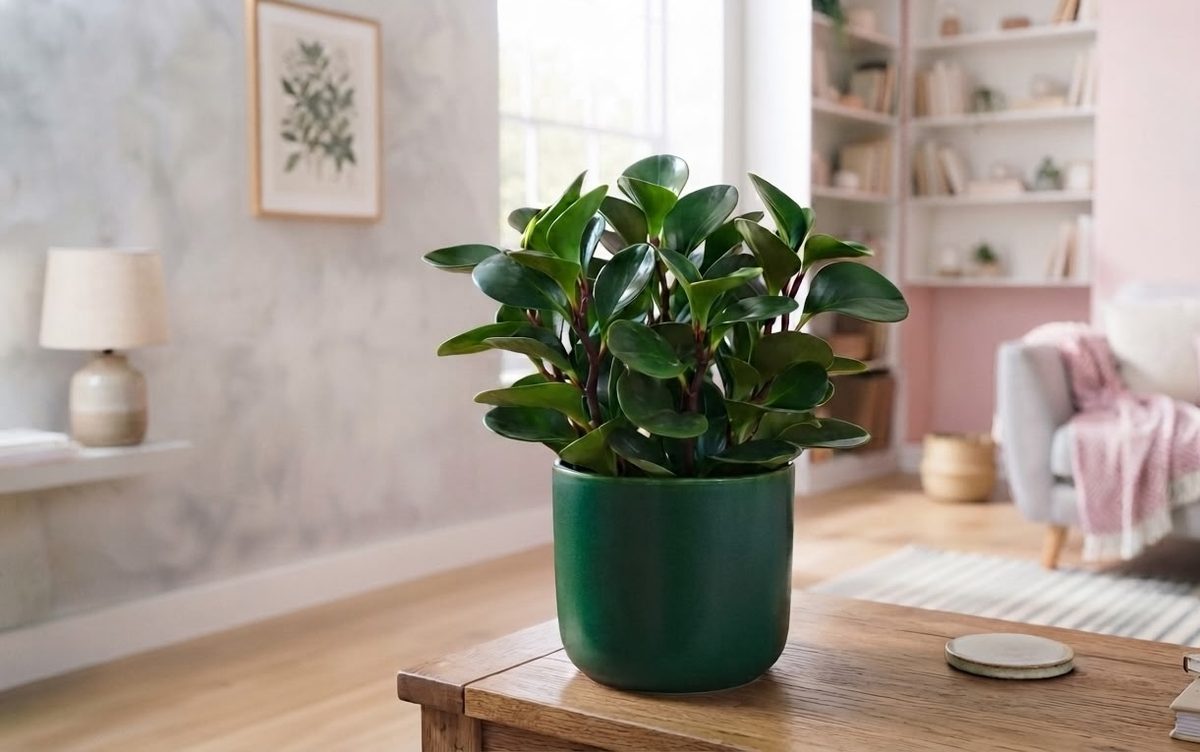
Baby rubber plant (Peperomia obtusifolia) has thick, spoon-shaped leaves that look like they belong to a succulent — and functionally, they almost are. The plant stores water in its leaves, which is why it tolerates the kind of neglect that kills thinner-leaved tropicals, and why overwatering is the one mistake that reliably kills it instead. This guide covers what it actually needs, why its name causes so much confusion at garden centers, and how the variegated form differs from the plain green one.
| Baby Rubber Plant Quick Care Summary | |
|---|---|
| Light | Bright indirect light; tolerates low light, especially non-variegated forms |
| Water | Let soil dry between waterings; roughly every 1-2 weeks |
| Humidity | Tolerates average home humidity; benefits from extra in dry winter air |
| Temperature | 65-75°F (18-24°C); move outdoors only once nights stay above 60°F |
| Fertilizer | Light feeding spring-summer only; skip fall and winter |
Is Baby Rubber Plant a True Rubber Plant?
No. Despite the name, Peperomia obtusifolia has no botanical relationship to the plant most people picture when they hear “rubber plant” — Ficus elastica, the tree with large glossy leaves grown as an indoor tree. Baby rubber plant belongs to the pepper family, Piperaceae; true rubber plants belong to the fig family, Moraceae. NC State Extension’s Plant Toolbox lists Peperomia obtusifolia under the common names Baby Rubberplant, American Rubber Plant, and Oval Leaf Peperomia — the overlap in naming is well documented, not a fluke of one retailer’s plant tag.
The distinction matters for more than trivia. Ficus elastica has a much larger root system, needs more frequent watering, and its sap is a skin and eye irritant. Baby rubber plant stores water in fleshy leaves, tolerates drought far better, and treating the two the same — watering a peperomia on a ficus schedule — is a common way to rot its roots.
What Light Does Peperomia Obtusifolia Need?
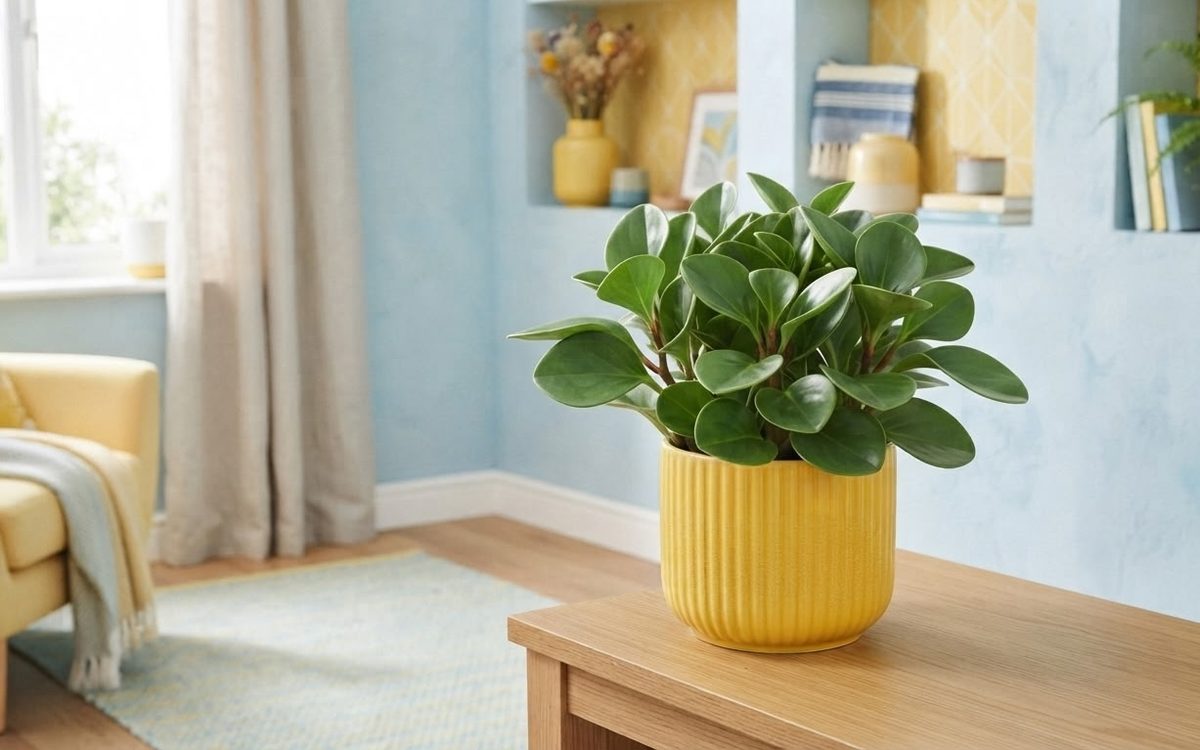
Bright indirect light is ideal, but this is one of the more shade-tolerant houseplants on the market. NC State Extension notes it tolerates low light for months without visible stress, particularly the plain green, non-variegated form. Direct sun will scorch the leaves, so keep it back from a south-facing window or filter the light with a sheer curtain.
Does Variegated Baby Rubber Plant Need More Light?
Likely somewhat, though the exact numbers thrown around online (specific foot-candle figures, “20-30% more light”) aren’t backed by extension sources — treat those as unverified. What NC State does confirm is that non-variegated cultivars are the ones that tolerate low light best, which implies variegated forms like ‘Variegata’ or ‘Alba’ are comparatively less shade-tolerant, since they have less chlorophyll-bearing leaf tissue to work with. In practice: give variegated plants the brightest indirect spot you have, and don’t expect them to hold their pattern in a dim corner.
How Often Should You Water Baby Rubber Plant?
Water when the top inch or two of soil is dry, then let it dry out again before the next watering. NC State Extension describes the plant as intolerant of both very wet and very dry soil — the water-storing leaves give it a buffer against underwatering, but that same trait means the roots have little tolerance for sitting in wet soil.
What Does Overwatering Look Like?
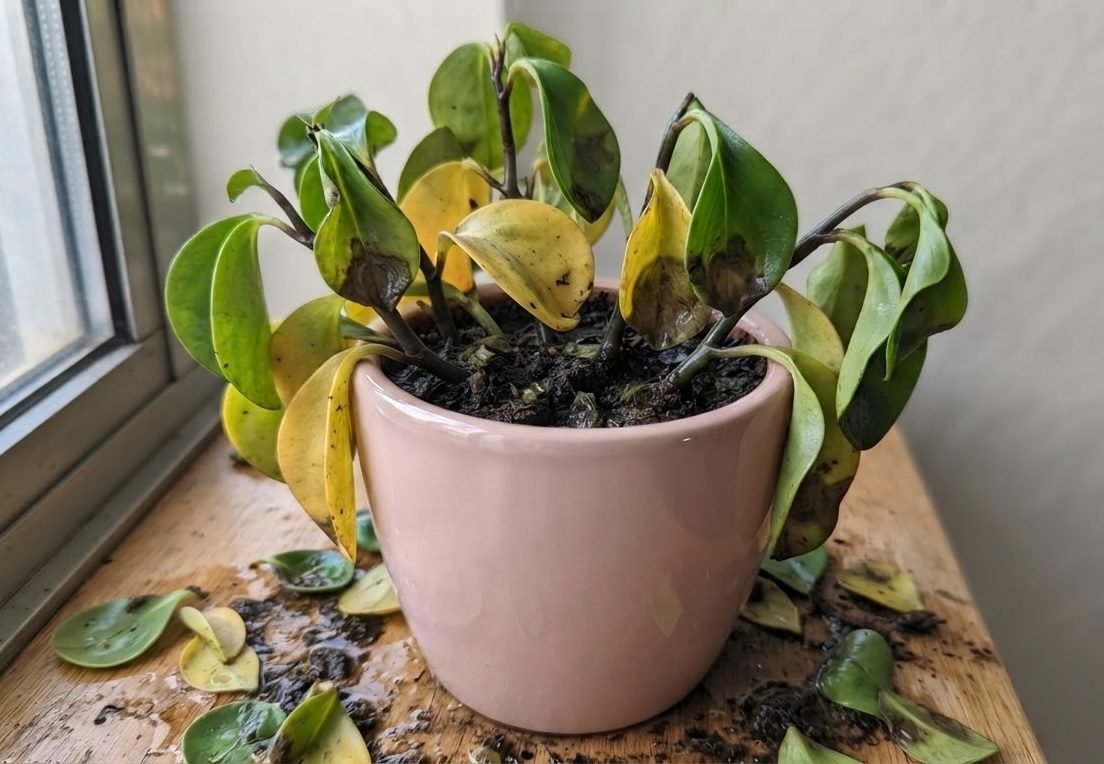
Leaf drop is the first sign, according to Clemson HGIC’s peperomia growing guide — the plant sheds leaves in response to overly wet soil before roots visibly rot. Left uncorrected, stems and roots turn soft and mushy. If you catch mushy, blackened stem tissue at the soil line, the plant needs to come out of the pot, have the damaged material cut away, and go into fresh, dry mix.
What Does Underwatering Look Like?
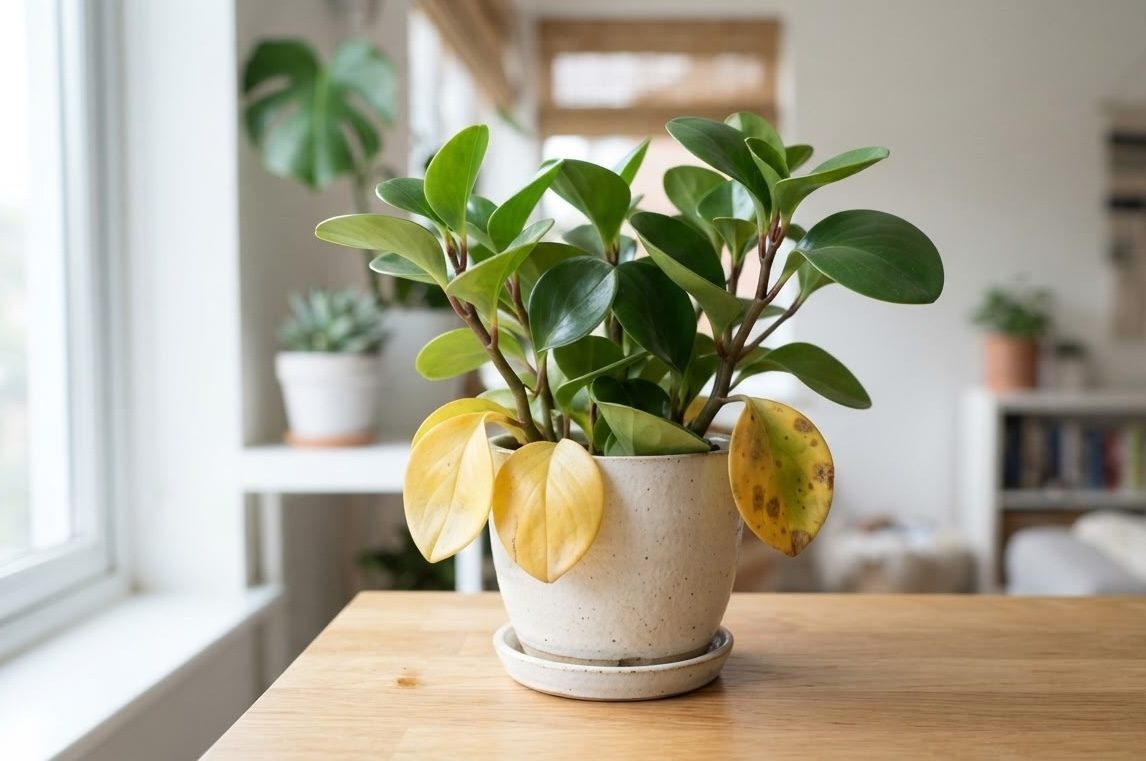
Leaves wrinkle before they droop — the fleshy tissue is losing stored water, similar to a succulent. This is the plant’s early warning system, and it’s a far easier problem to fix than root rot: water thoroughly and the leaves typically plump back up within a day.
What Soil Does Peperomia Obtusifolia Need?
A well-drained houseplant or cactus potting mix. Clemson HGIC specifically recommends adding perlite if you know you tend to overwater — it’s a cheap insurance policy against the plant’s biggest risk factor. The species tolerates a range of soil types and pH levels according to NC State Extension, so the mix matters far less than drainage does.
What Temperature and Humidity Does It Need?
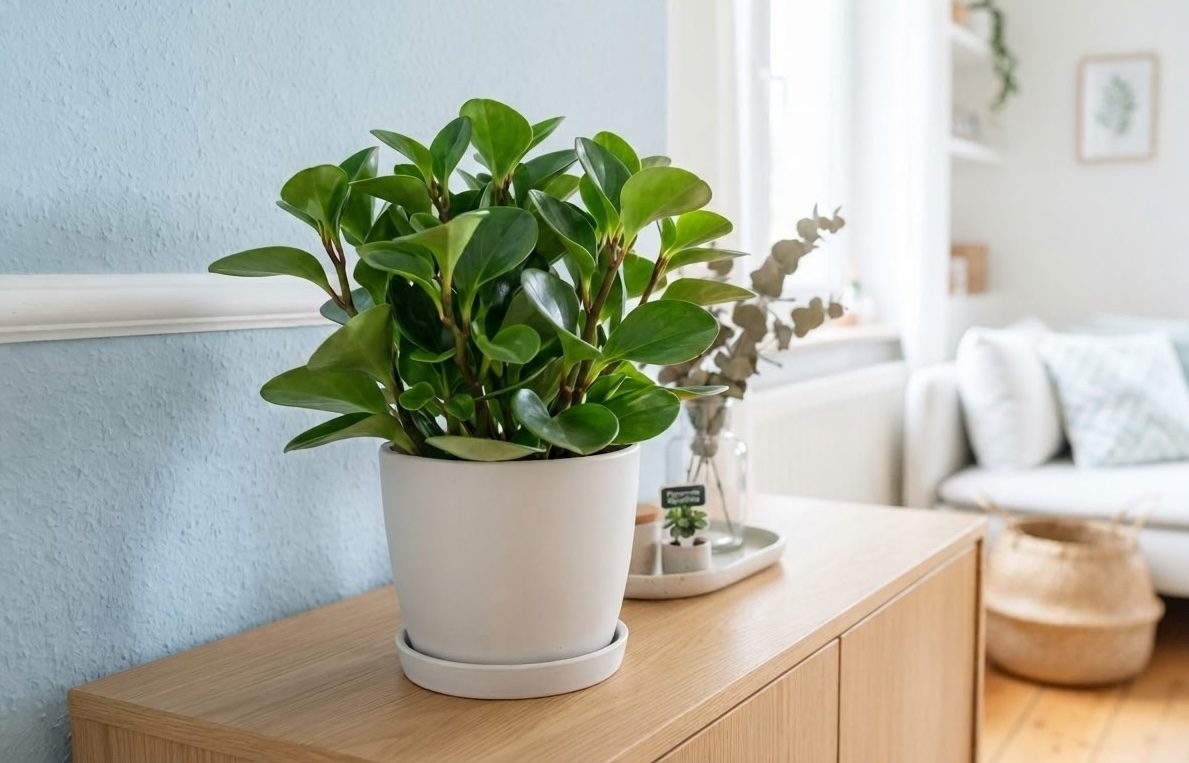
Average room temperature suits it well — 65-75°F (18-24°C). Clemson HGIC’s general guidance for peperomia is to wait until nighttime temperatures consistently sit above 60°F before moving a plant outdoors for the season, and to bring it back in well before frost risk begins.
Humidity is where the sources genuinely disagree, so it’s worth saying plainly rather than picking one number and presenting it as settled. UF/IFAS describes the species as preferring high humidity; NC State Extension describes its needs as medium to low; Clemson HGIC’s practical advice is simply that it benefits from a humidifier in winter, without specifying a target percentage. In practice, this plant tends to do fine in average home humidity and only needs help during the driest winter months when heating systems pull moisture out of the air — it is not as demanding as thin-leaved tropicals like calathea or ferns.
How Often Should You Fertilize Baby Rubber Plant?
Sparingly, and only while it’s actively growing. Clemson HGIC’s guidance is to fertilize peperomia only in spring and summer, using either a diluted liquid feed occasionally through the season or a slow-release granular fertilizer once a year. Skip feeding entirely in fall and winter, when growth slows or stops.
What Happens If You Over-Fertilize?
Baby rubber plant has a small, shallow root system relative to its leaf mass, so it can’t process heavy feeding the way a fast-growing plant can. Signs of salt buildup from over-fertilizing include browning leaf tips and edges, crispy margins, a white crust on the soil surface, and stunted or wilting growth even when the soil is adequately moist. If you see these signs, flush the soil thoroughly with plain water a few times to leach out accumulated salts, and back off the feeding schedule.
How to Propagate Peperomia Obtusifolia
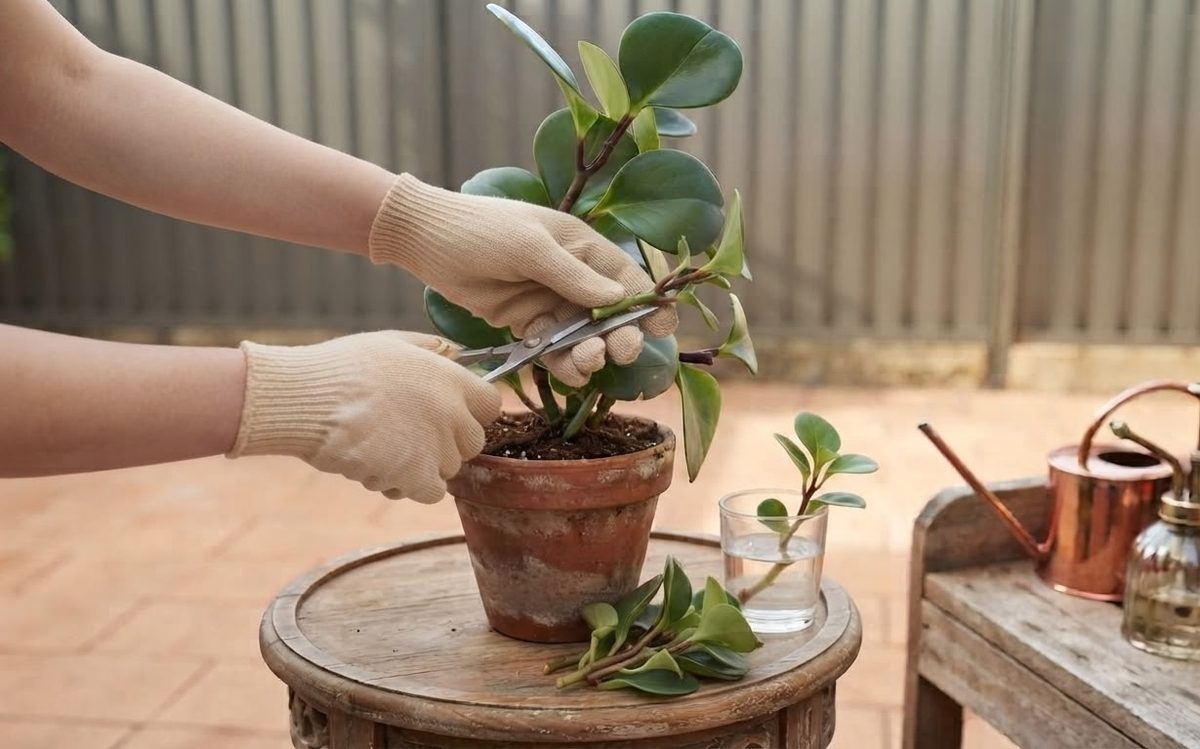
Stem cuttings are the most reliable method. Take a cutting that includes at least one leaf node — roots form at the node, not from the leaf tissue itself — and root it in either water or moist potting mix.
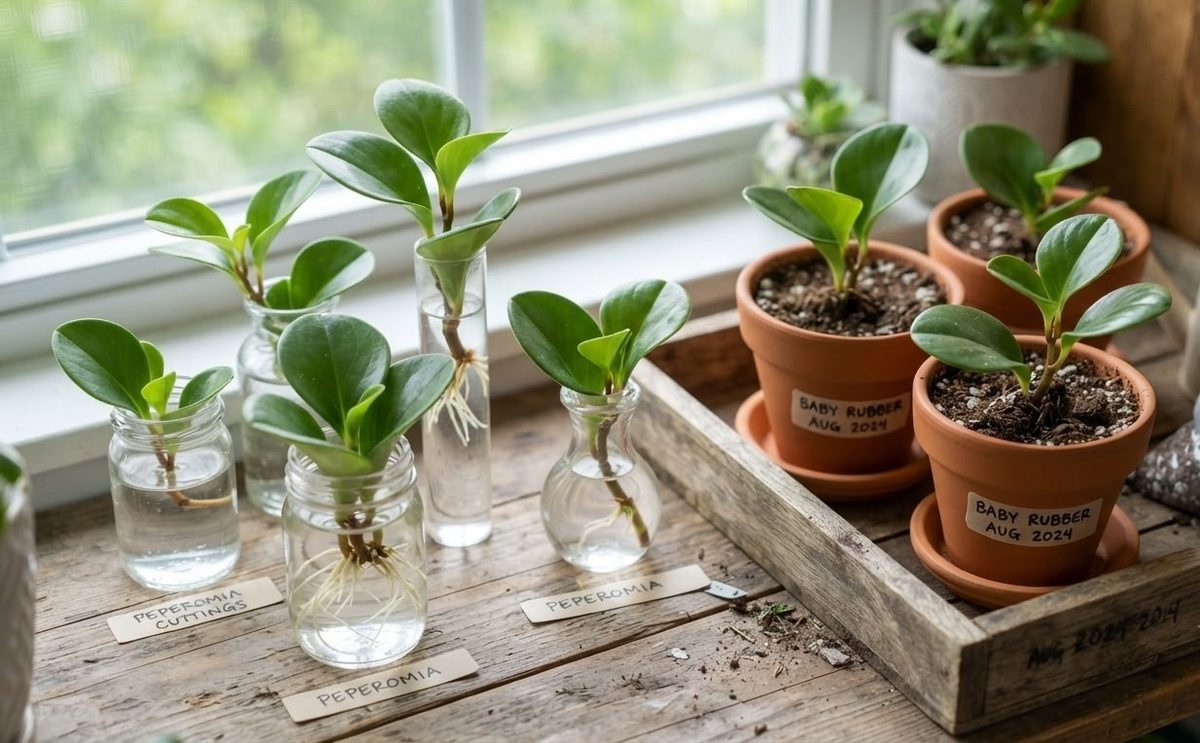
Water propagation is straightforward to monitor: roots typically appear at the node within 2-6 weeks. Soil propagation works too and skips the transplant-shock step of later moving a water-rooted cutting into soil, but it requires more attentive watering since you can’t see what’s happening below the surface.
Can You Propagate From a Single Leaf?
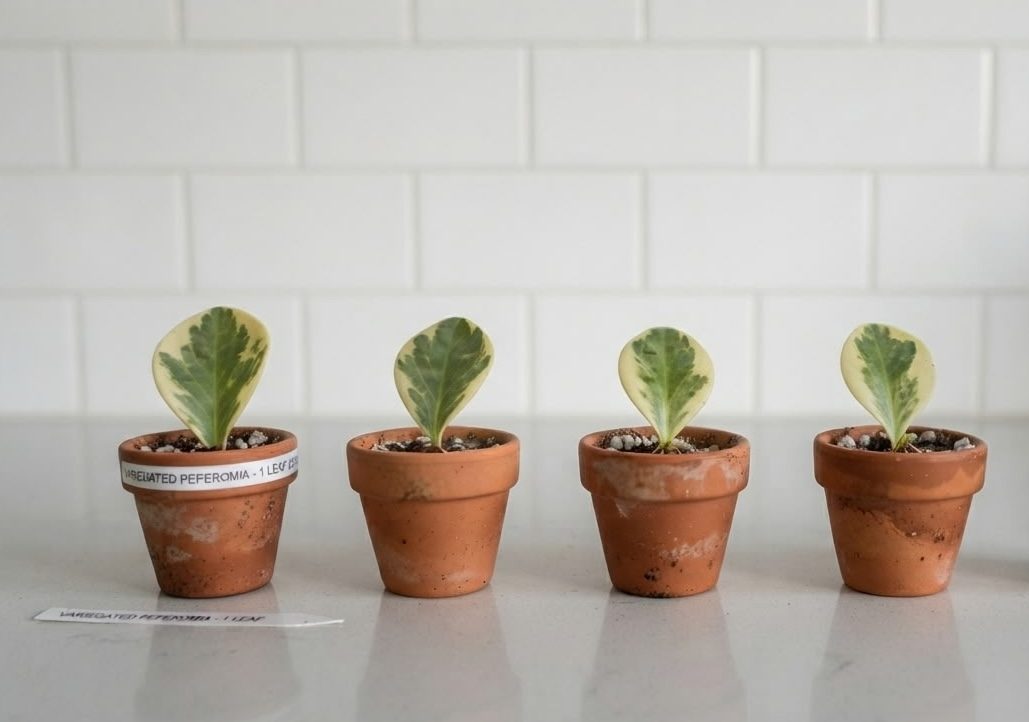
Yes, but it’s slower and less reliable than a stem cutting with a node, and it takes considerably longer to grow into a full-sized plant. For variegated cultivars specifically, avoid leaf cuttings altogether — propagating from leaf tissue alone risks producing an all-green plant that has lost the variegation, since the cream or white sections carry less of the chlorophyll-driven growth needed to establish a new plant true to the parent.
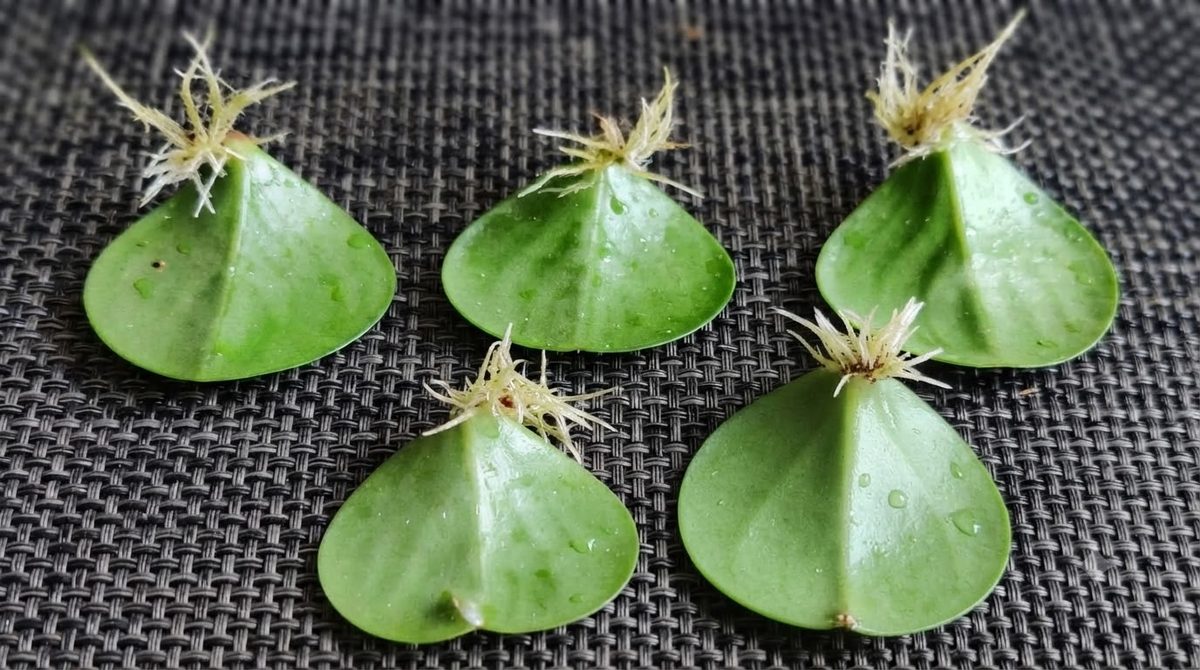
Whichever method you use, the most common failure cause is rot rather than a failure to root at all — an overly wet propagation medium, or a cutting with no node included, are the two most avoidable mistakes.
Peperomia Obtusifolia ‘Variegata’ — What’s Different?
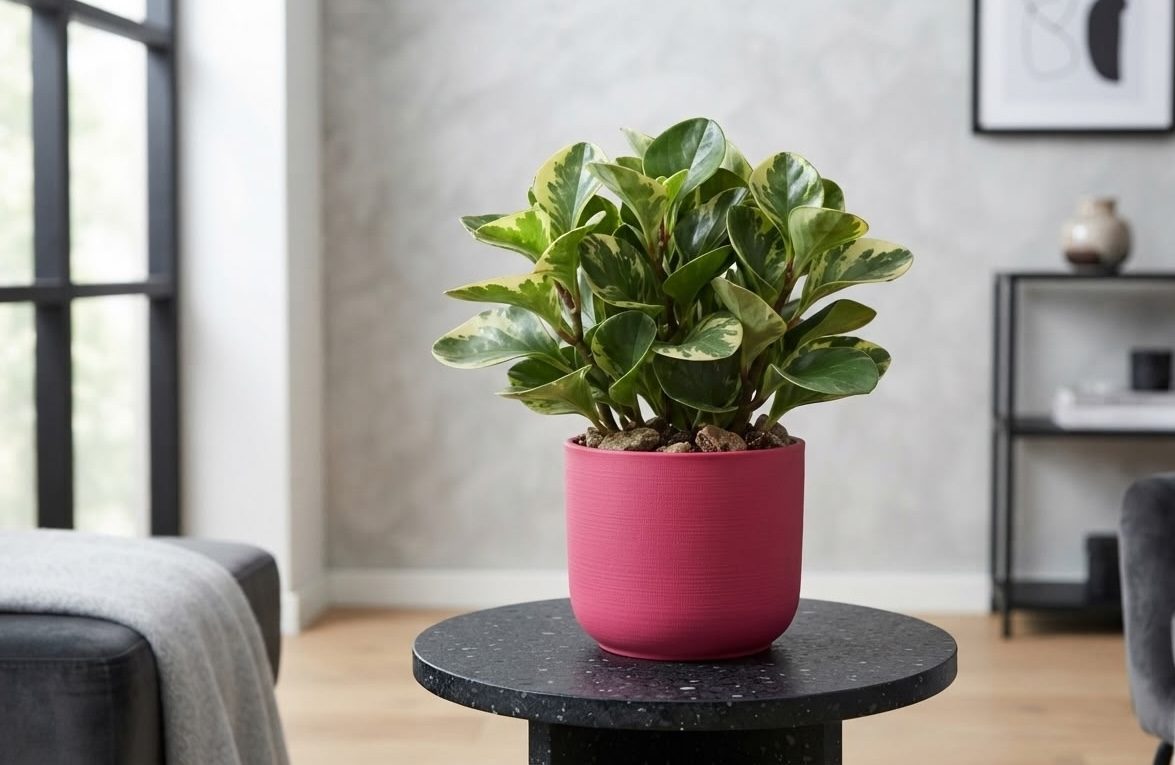
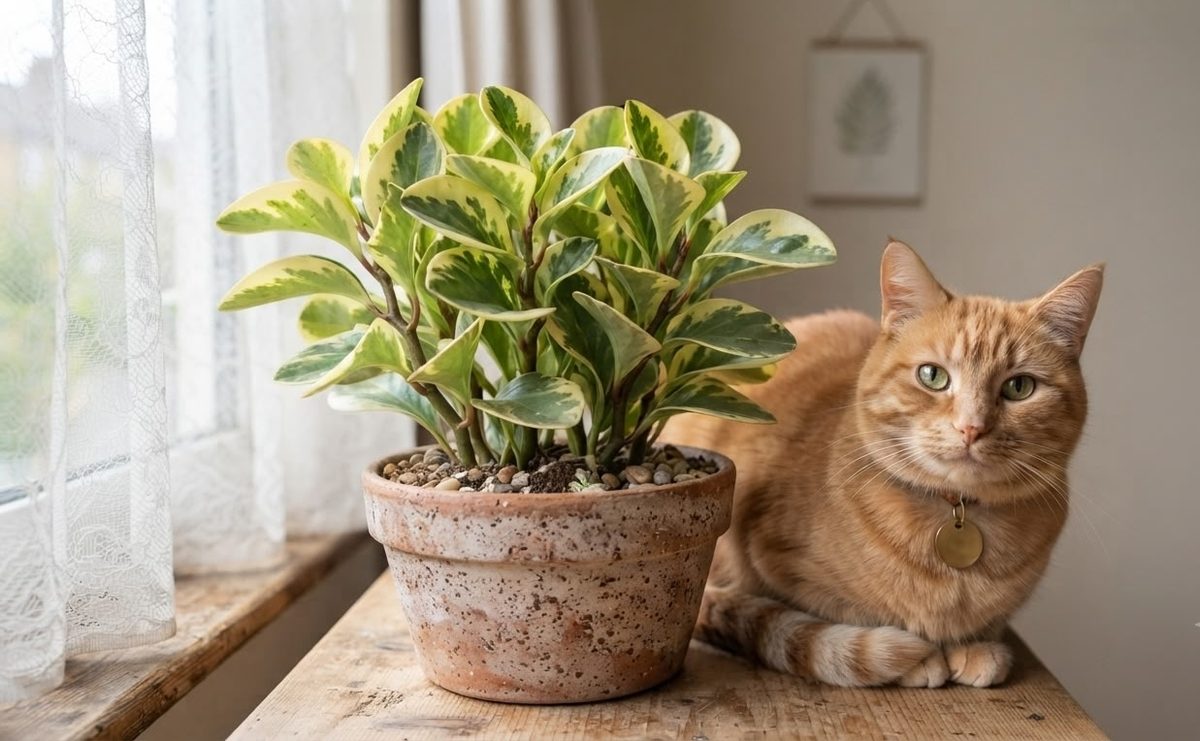
Same care requirements, with two practical differences. ‘Variegata’ has glossy green leaves edged or marbled in cream; ‘Alba’ emerges with creamy-white new growth that greens up as it matures; NC State Extension also lists ‘Gold Tip’, with gold coloring concentrated at the leaf tips. All are cultivars of the same species, not separate plants, so everything above about watering, soil, and fertilizing applies equally.
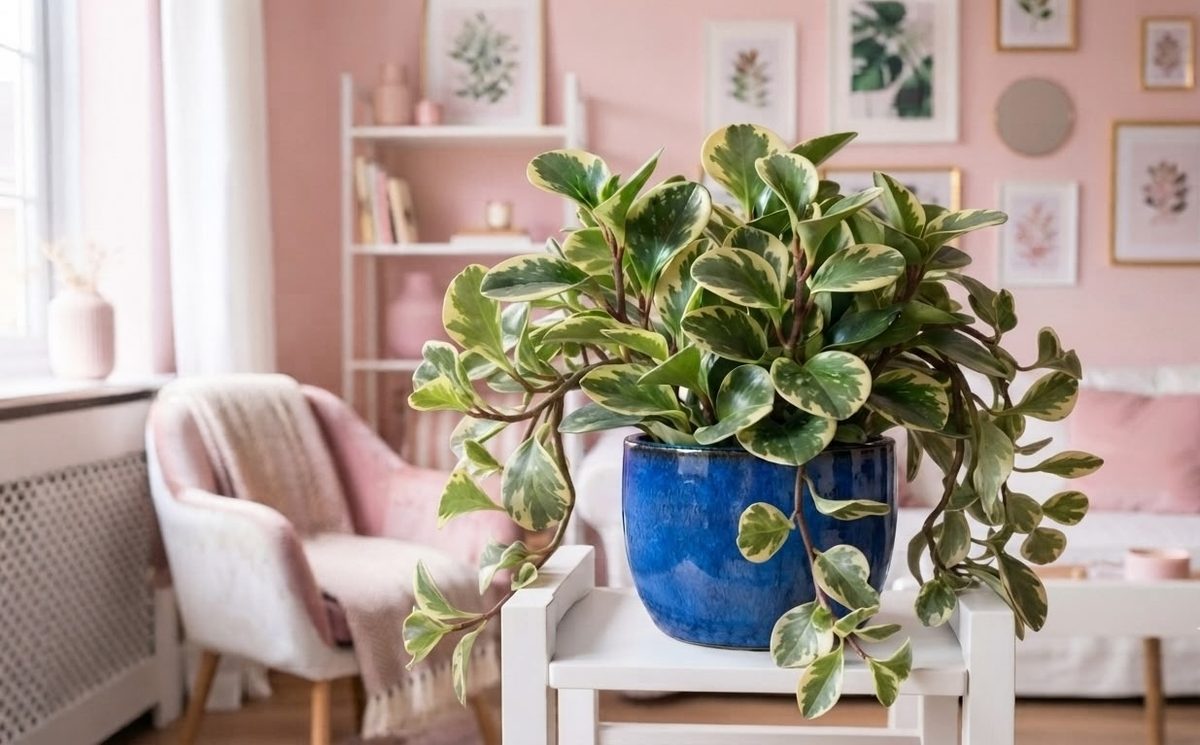
The two differences: variegated forms want brighter light to hold their pattern well (see the light section above), and they should be propagated by stem cuttings with a node rather than leaf cuttings, to avoid the new plant reverting to solid green.
Is Baby Rubber Plant Toxic to Cats and Dogs?
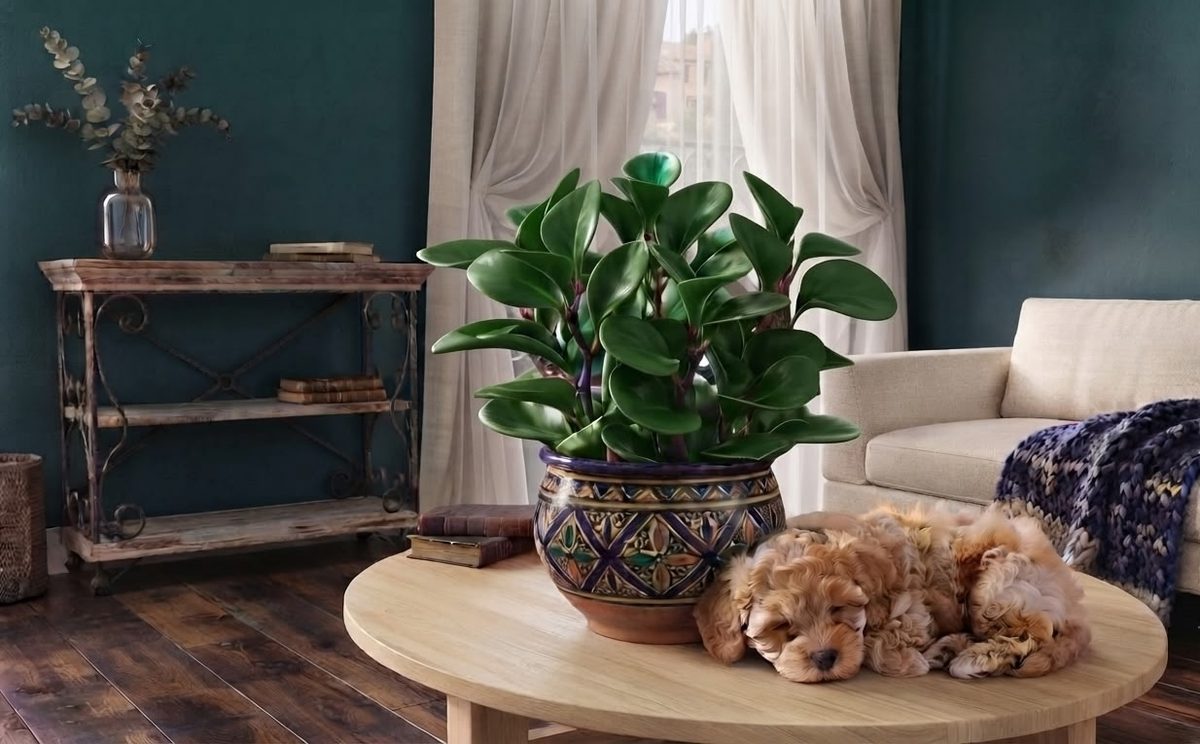
No. The ASPCA lists Peperomia obtusifolia as non-toxic to both dogs and cats, under the common names Baby Rubber Plant, American Rubber Plant, Pepper Face, and Blunt Leaf Peperomia — all of which point to the same non-toxic entry for this species.
Don’t confuse it with true rubber plants. This is where the shared common name becomes a real safety question rather than a naming curiosity: Ficus elastica and Ficus benjamina — the actual rubber tree and weeping fig, both genus Ficus — are listed by the ASPCA as toxic to dogs and cats, with an irritant sap containing proteolytic enzymes and psoralen. If a plant tag or a search result calls something a “rubber plant,” check whether it’s a Peperomia or a Ficus before assuming the toxicity data carries over — it doesn’t.
What Pests Attack Baby Rubber Plant?
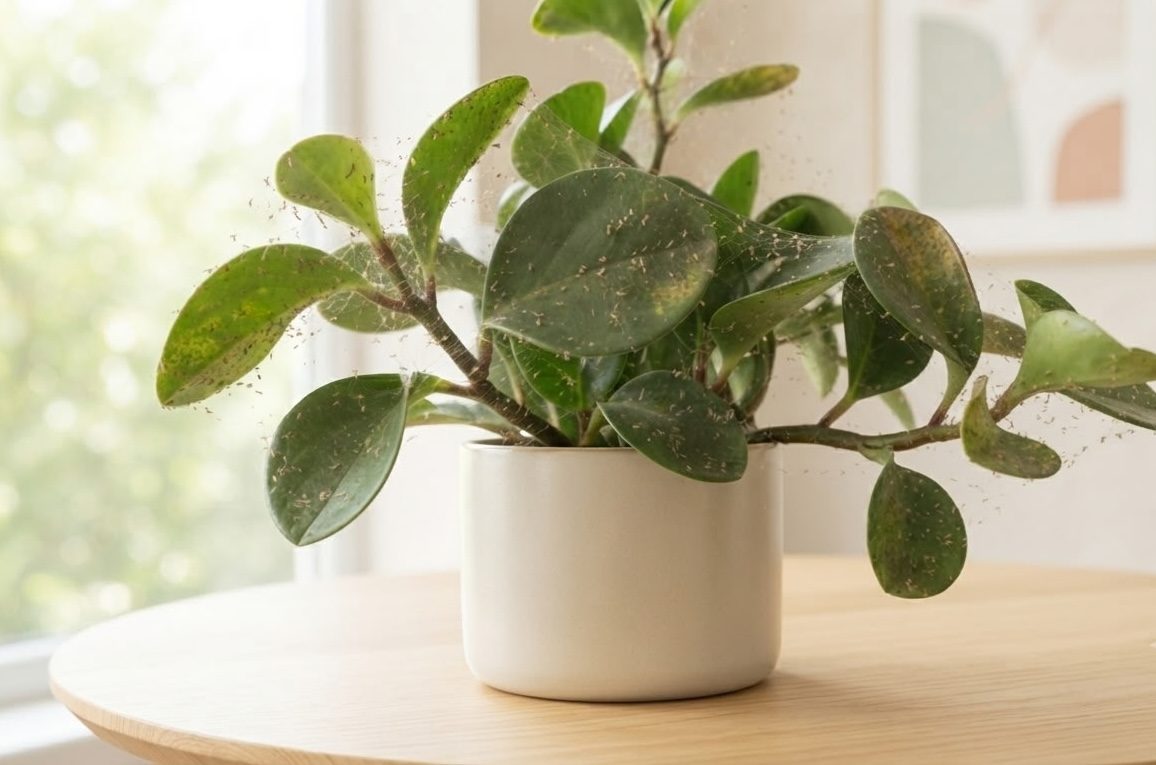
Clemson HGIC’s peperomia guide names the same five pests common across the genus: mealybugs, spider mites, fungus gnats, scale, and whiteflies. None are specific to this species, and a plant with good watering habits rarely attracts any of them.
Mealybugs
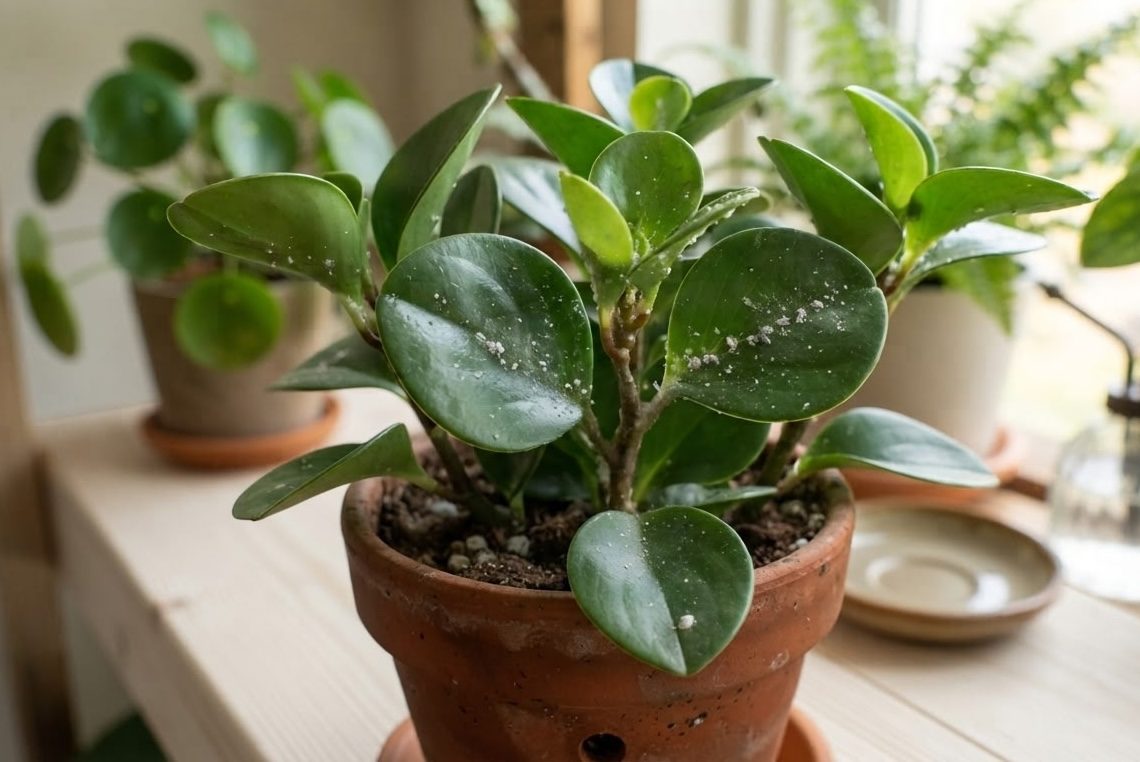
Small white, cottony clusters at the leaf and stem junctions, where leaflets meet the main stem. Dab colonies with rubbing alcohol on a cotton swab, then treat the whole plant with insecticidal soap or neem oil for larger infestations.
Spider Mites
Fine webbing on the undersides of leaves, paired with stippled or yellowing discoloration on the leaf surface. Rinse the plant under water to knock down populations, then follow with insecticidal soap or neem oil, covering leaf undersides thoroughly.
Fungus Gnats
Small dark flies hovering near the soil surface — a direct symptom of soil staying wet longer than it should. The adults are mostly harmless, but their larvae feed on roots in consistently moist soil. Letting the top inch of soil dry fully between waterings does double duty here: it solves the fungus gnat problem and protects against the root rot this species is most vulnerable to.
Common Mistakes With Baby Rubber Plant
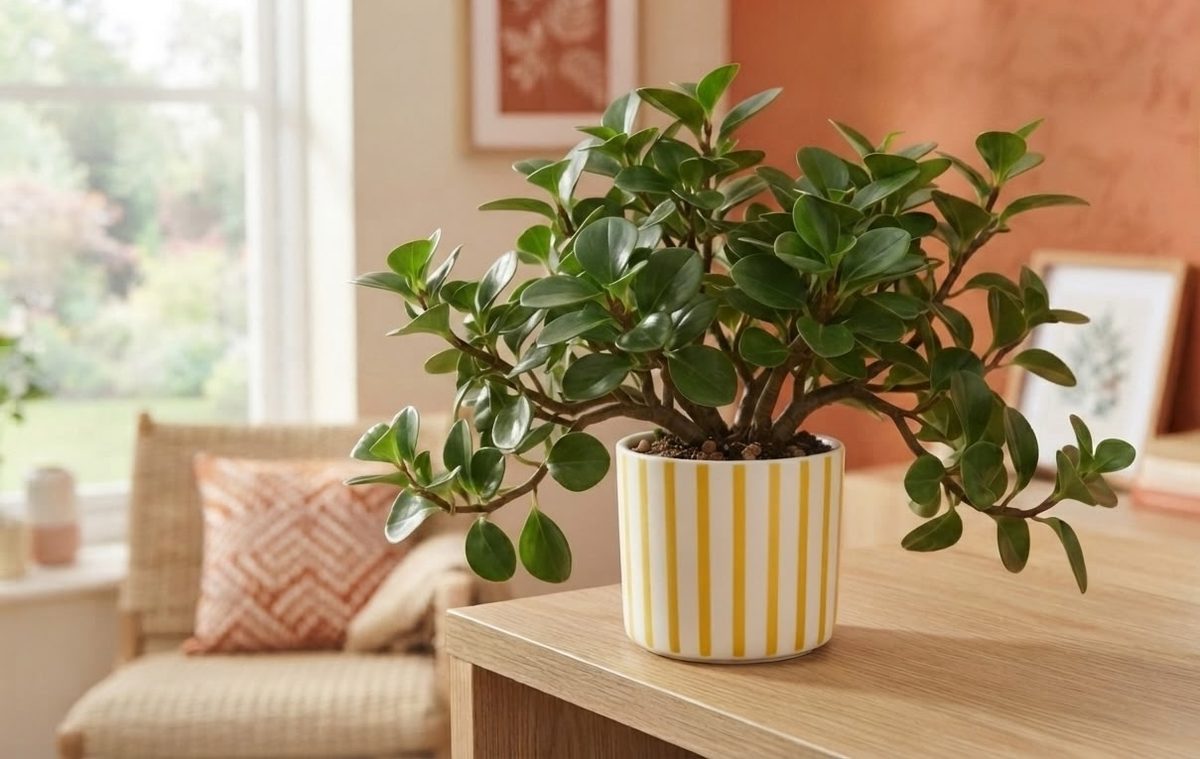
Watering it like a thin-leaved tropical. The fleshy, water-storing leaves mean this plant needs far less frequent watering than a fern or calathea. Sticking to a fixed weekly schedule regardless of how the soil actually feels is the single most common way to cause root rot.
Assuming it’s the same plant as a rubber tree. Beyond the care mismatch, this mix-up occasionally leads pet owners to worry unnecessarily — or worse, to wrongly assume safety around an actual Ficus based on peperomia’s non-toxic status. Confirm which genus you actually have.
Propagating variegated cultivars from leaf cuttings. It’s tempting because it works fine on the plain green form, but leaf cuttings from ‘Variegata’ or ‘Alba’ risk producing all-green offspring. Take stem cuttings with a node instead if keeping the variegation matters.
Fertilizing year-round. This is a slow-growing plant with a small root system. Feeding it through fall and winter, when it isn’t actively growing, does nothing but build up salts in the soil.
Frequently Asked Questions
Is peperomia the same as baby rubber plant?
Peperomia is the genus — it includes hundreds of species. Baby rubber plant refers specifically to Peperomia obtusifolia, one species within that genus. Other peperomias, like string of turtles (Peperomia prostrata), look and grow completely differently despite the shared genus.
Why are my baby rubber plant leaves falling off?
Leaf drop in this species points to overwatering more often than any other cause, per Clemson HGIC. Check whether the soil has been staying wet between waterings, and let it dry out fully before watering again.
How big does baby rubber plant get?
Sources vary somewhat — NC State Extension describes a compact, bushy habit up to 2 feet tall and wide, while UF/IFAS gives a smaller typical range under a foot with a trailing habit in hanging baskets. Expect a compact, manageable plant either way; it isn’t a plant that will outgrow a small space quickly.
Can baby rubber plant grow in low light?
Yes, better than most houseplants — NC State Extension notes it tolerates low light for months without stress, especially the non-variegated green form. It won’t grow quickly there, but it won’t decline the way many tropicals do.