Philodendron ‘Birkin’ didn’t come from a jungle — it came from a tissue-culture lab, as a spontaneous mutation of the plain green Philodendron ‘Rojo Congo’. That origin story explains almost everything unusual about this plant: why its pinstriped variegation is genuinely unstable, why “Pink Birkin” is a real but separate thing from ordinary pink new growth, and why keeping the pattern intact takes more than just watering it correctly.
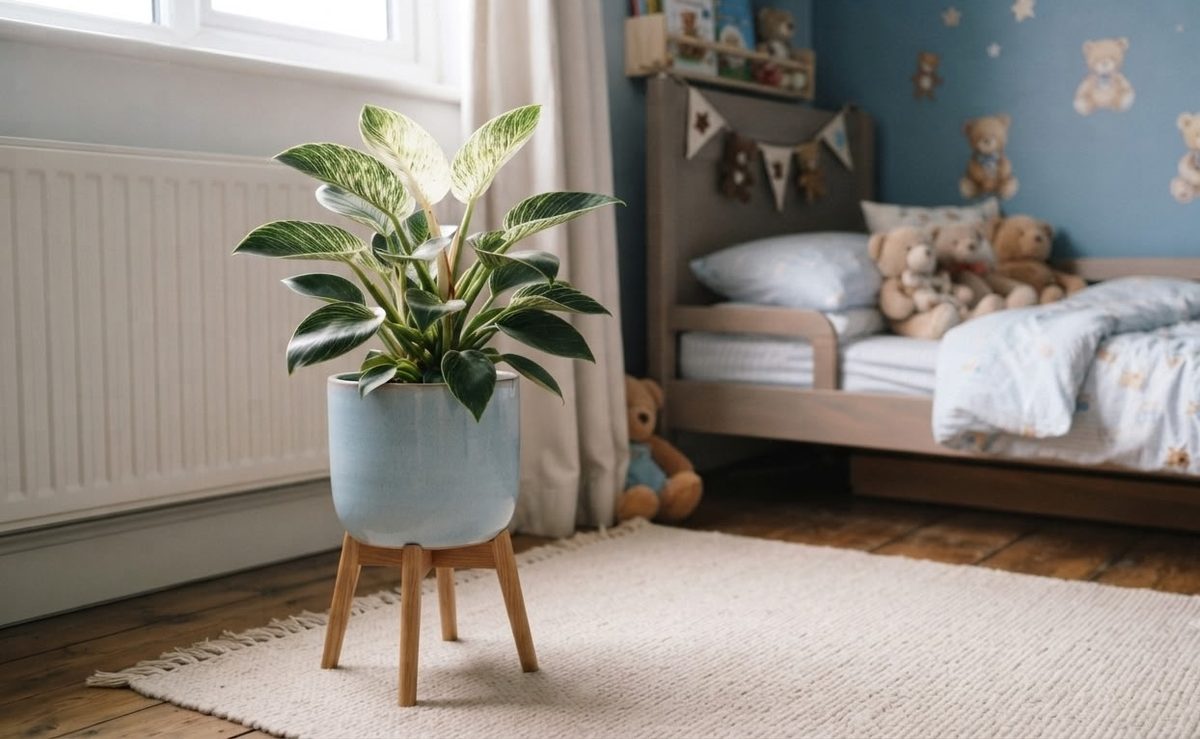
| Philodendron Birkin Quick Care Summary | |
|---|---|
| Light | Bright, filtered indirect light; low light causes variegation loss |
| Water | Moist, well-drained soil; let the top dry between waterings |
| Humidity | 50-60%; brown tips signal air that’s too dry |
| Temperature | 65-85°F (18-29°C); not frost-tolerant |
| Fertilizer | Balanced feed during spring-summer growth |
Where Did Philodendron Birkin Come From?
Birkin isn’t a species collected from the wild — it’s a cultivar that appeared as a sport, a spontaneous mutation, in a Florida tissue-culture lab around 2009-2010. NC State Extension’s Plant Toolbox lists it as arising from Philodendron ‘Rojo Congo’, the solid dark-green, red-tinged parent plant. There’s some uncertainty in how this happened — a competing theory floats a hybrid origin between ‘Congo’ and ‘Imperial Green’ — but the sport-from-Rojo-Congo account is the one with the most support.
Like its parent, Birkin has an upright, self-heading growth habit rather than a vining one — it doesn’t climb or trail, and stays compact without a moss pole or trellis. For a philodendron that does climb, see our heartleaf philodendron care guide.
What Causes the White Pinstripe Pattern?
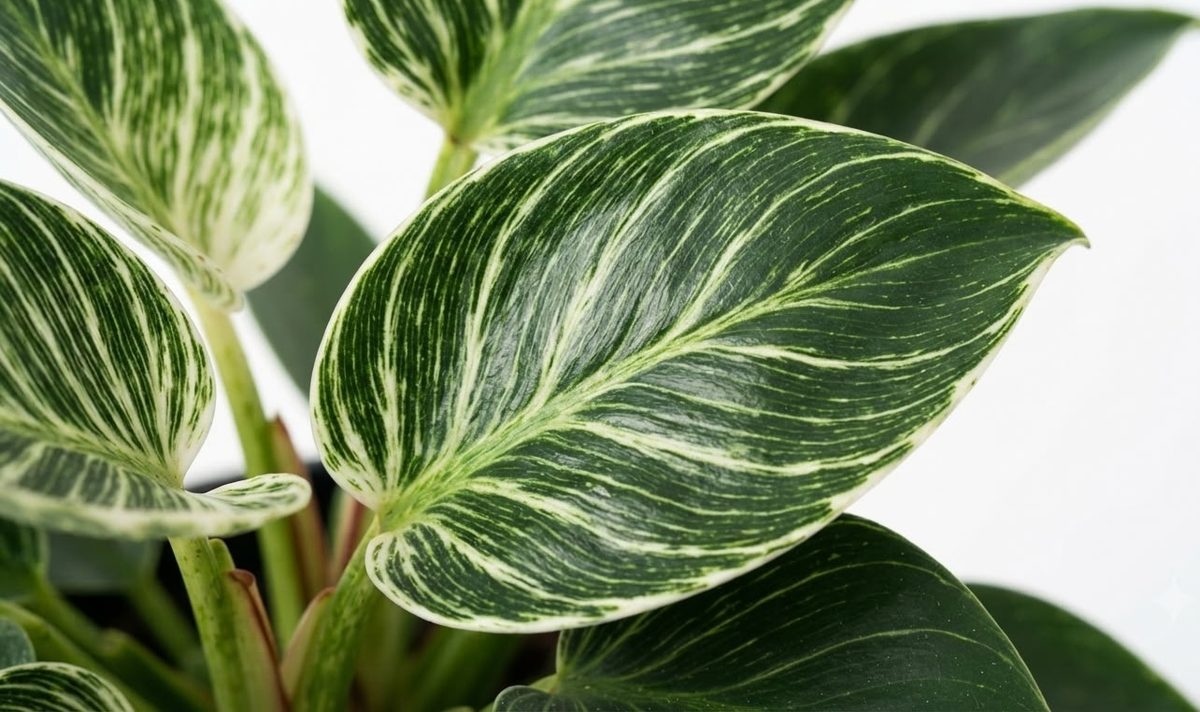
Birkin is what’s called a periclinal chimera: its outer leaf cell layers produce reduced chlorophyll in stripes, while the inner cell layer still carries the original Rojo Congo genetics underneath. It’s a tissue-level mutation, not a change to the plant’s DNA — which is exactly why the pattern isn’t fixed the way a naturally variegated species’ pattern would be.
Does Birkin Variegation Fade Back to Green?
Yes, and this isn’t a myth repeated across plant blogs — it’s a real, well-documented behavior of chimeric variegation. NC State Extension confirms that insufficient light is a direct cause of variegation loss. Because the chimera depends on specific cell layers staying dominant, low light pushes the plant to favor the chlorophyll-rich (non-variegated) tissue that photosynthesizes more efficiently, and new growth reverts toward solid green — sometimes with the reddish cast of the Rojo Congo parent showing through.
Reversion can also happen if the growing tip is damaged, since that’s where the cell-layer arrangement responsible for the pattern actually gets disrupted. Once a stem has reverted to solid green, it stays that way — pruning the reverted growth back to a still-variegated section is the standard fix, not more light alone.
Is “Pink Birkin” the Same as Regular Birkin?
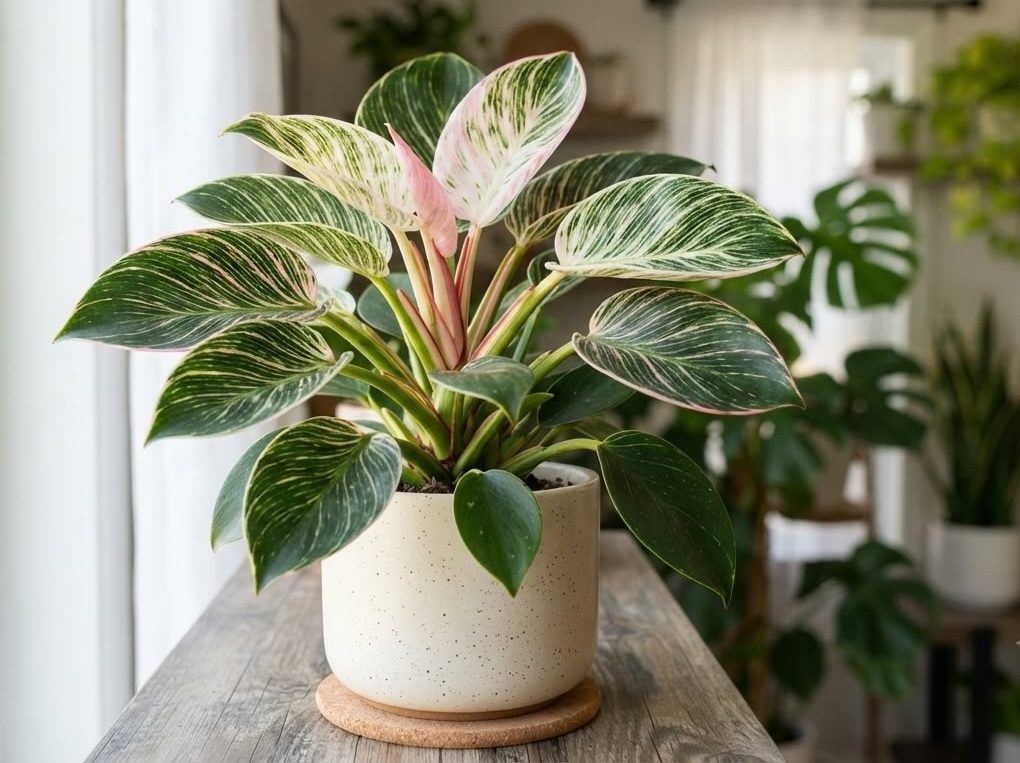
Not quite, and the two get confused constantly. Ordinary Birkin routinely pushes out new leaves with a pink or reddish flush that fades to the familiar white-and-cream striping as the leaf matures — that’s a normal developmental phase, not a different plant.
“Pink Birkin,” sometimes sold as ‘Kinky Pinky’, appears to be a genuinely separate secondary sport — multiple specialty nurseries sell it as its own mutation, with pink-flecked rather than white striping that doesn’t fade the same way. No university extension source has verified this as a formally recognized cultivar, so treat the distinct-cultivar claim as strong grower consensus rather than an academically settled fact.
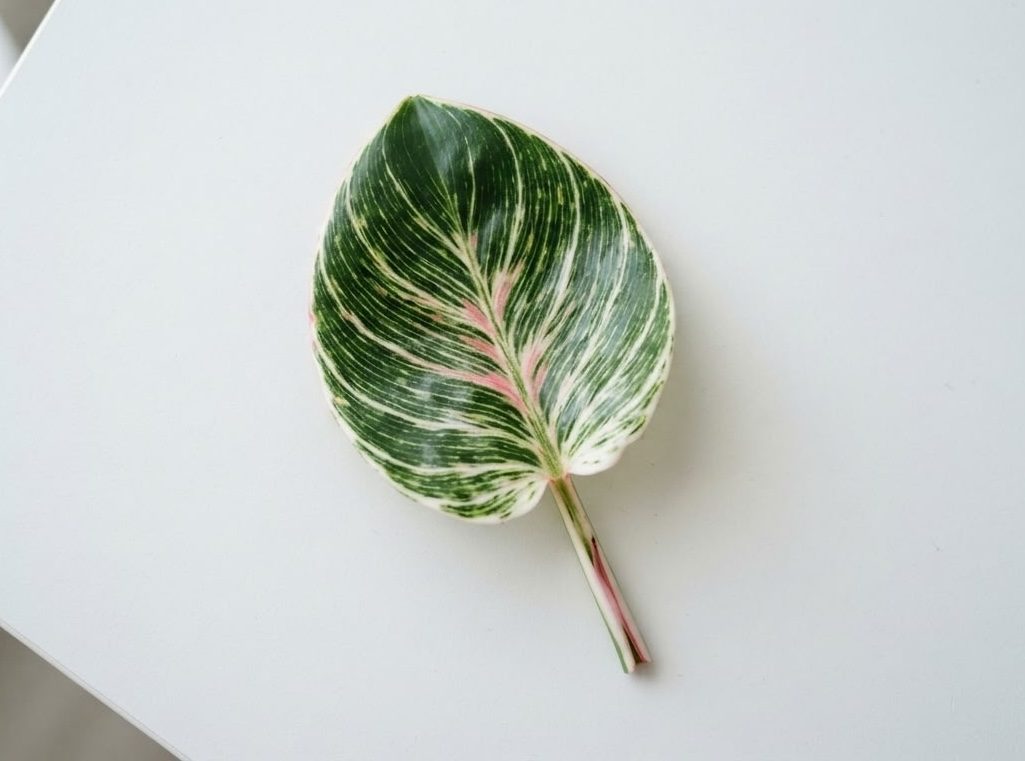
If a listing shows consistently pink (not just pink-then-fading) variegation, it’s likely this separate sport rather than standard Birkin.
What Light Does Philodendron Birkin Need?
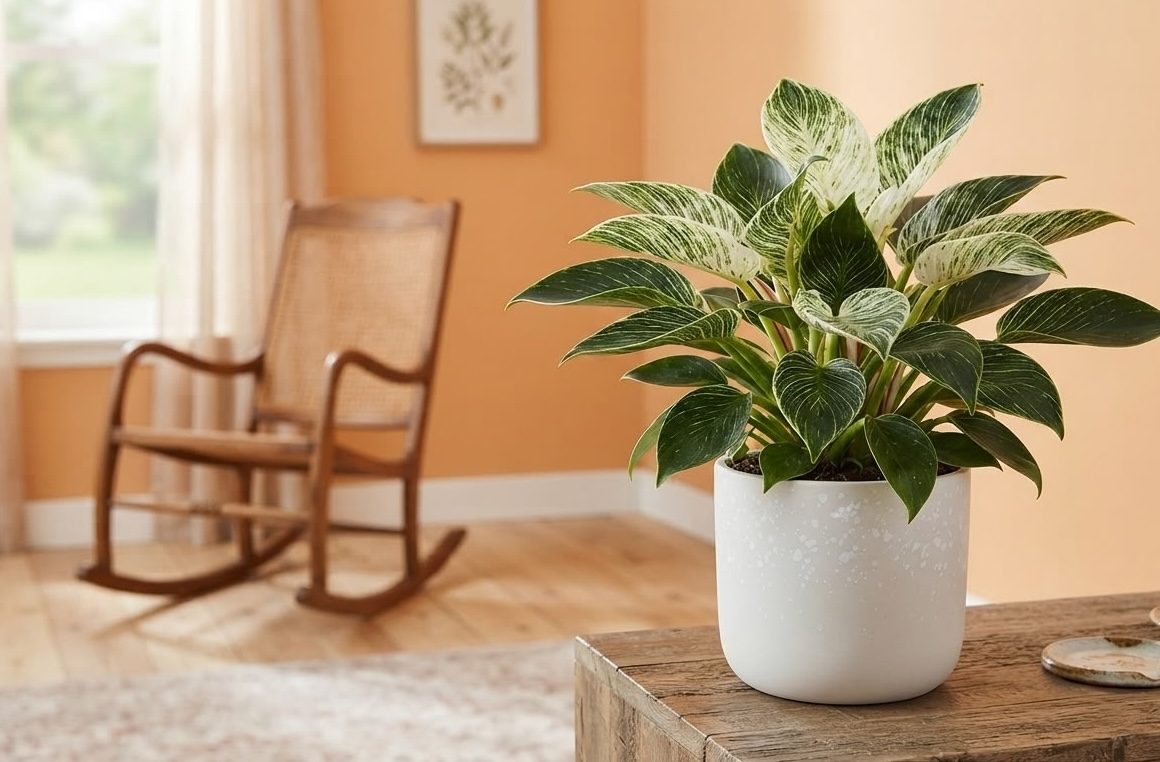
Bright, filtered or indirect light. Direct sun scorches the leaves, but — as covered above — light that’s too dim is the more common problem here, since it’s the main documented trigger for variegation reverting to green. A spot with strong indirect light, not deep shade, is the target.
How Often Should You Water Philodendron Birkin?
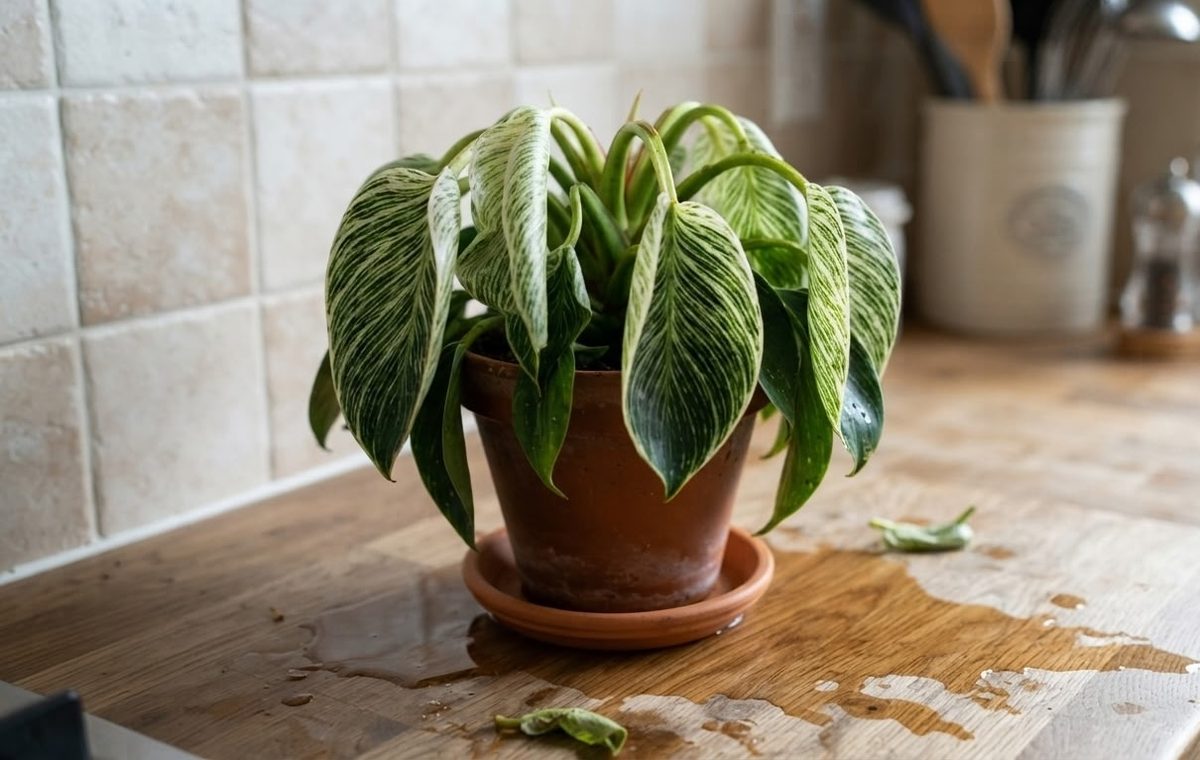
Keep the soil moist but well-drained, watering again once the top layer dries out. NC State Extension notes two specific failure modes: overwatering leads to root rot and yellowing, while getting water directly on the foliage during watering can cause leaf spotting — water at the soil level rather than overhead.
What Soil Does Philodendron Birkin Need?

A well-drained loam or sandy mix, slightly acidic to neutral. Standard houseplant potting mix with added perlite for drainage works well; the plant isn’t picky about soil composition so much as it is about not sitting in water.
What Temperature and Humidity Does It Need?
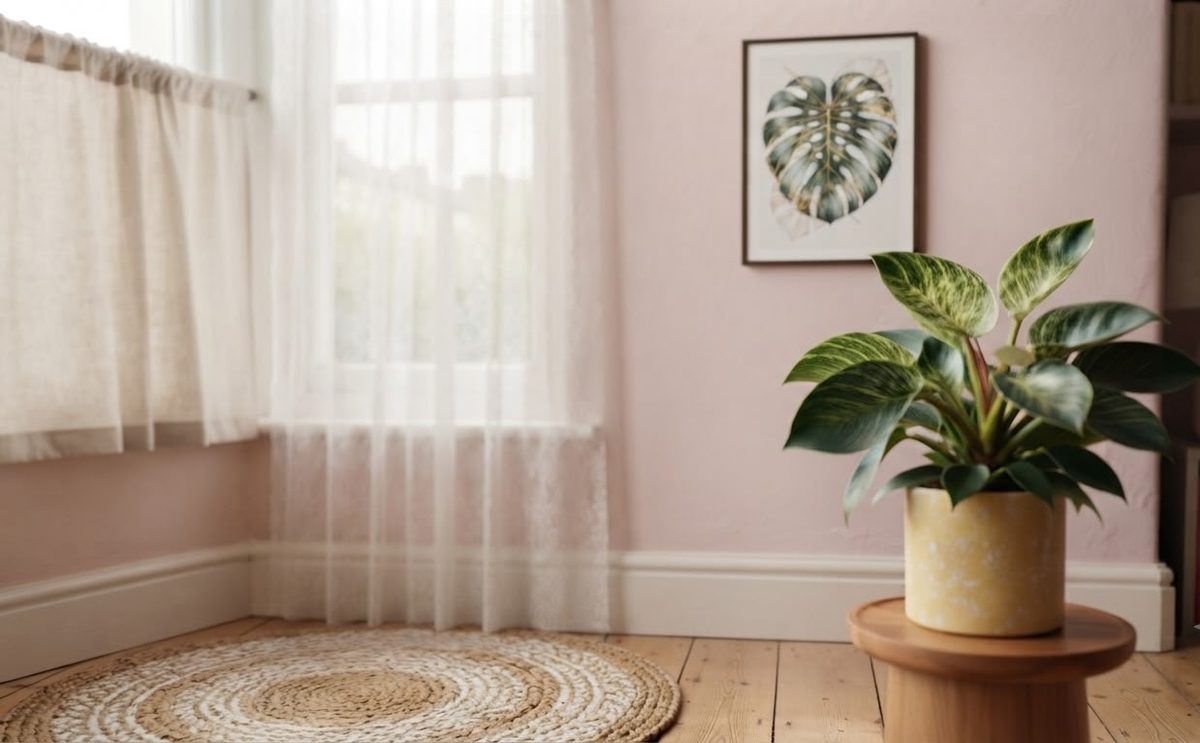
65-85°F (18-29°C) is the comfortable range, and this plant has no frost tolerance at all — a cold draft or an unheated porch in winter will damage it quickly. Humidity around 50-60% is ideal; NC State Extension notes that brown leaf tips are the visible signal that the air is too dry, which is a useful diagnostic separate from the variegation-loss issue.
How to Propagate Philodendron Birkin
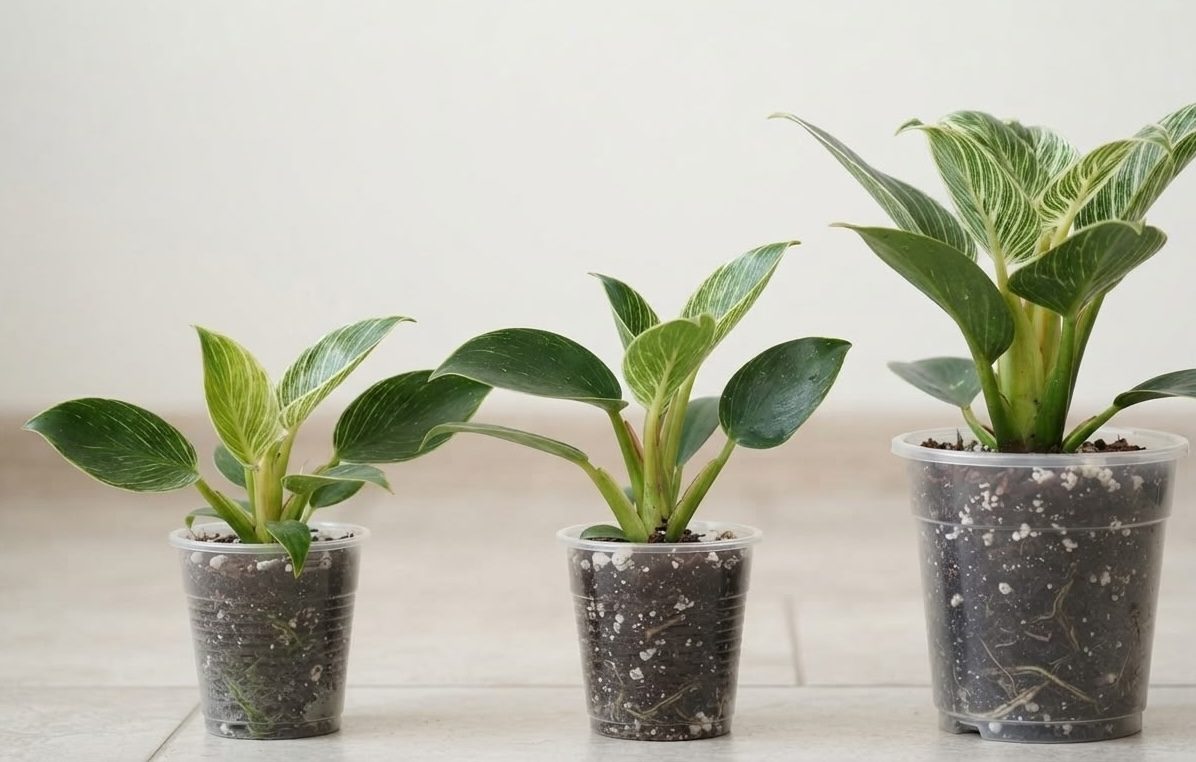
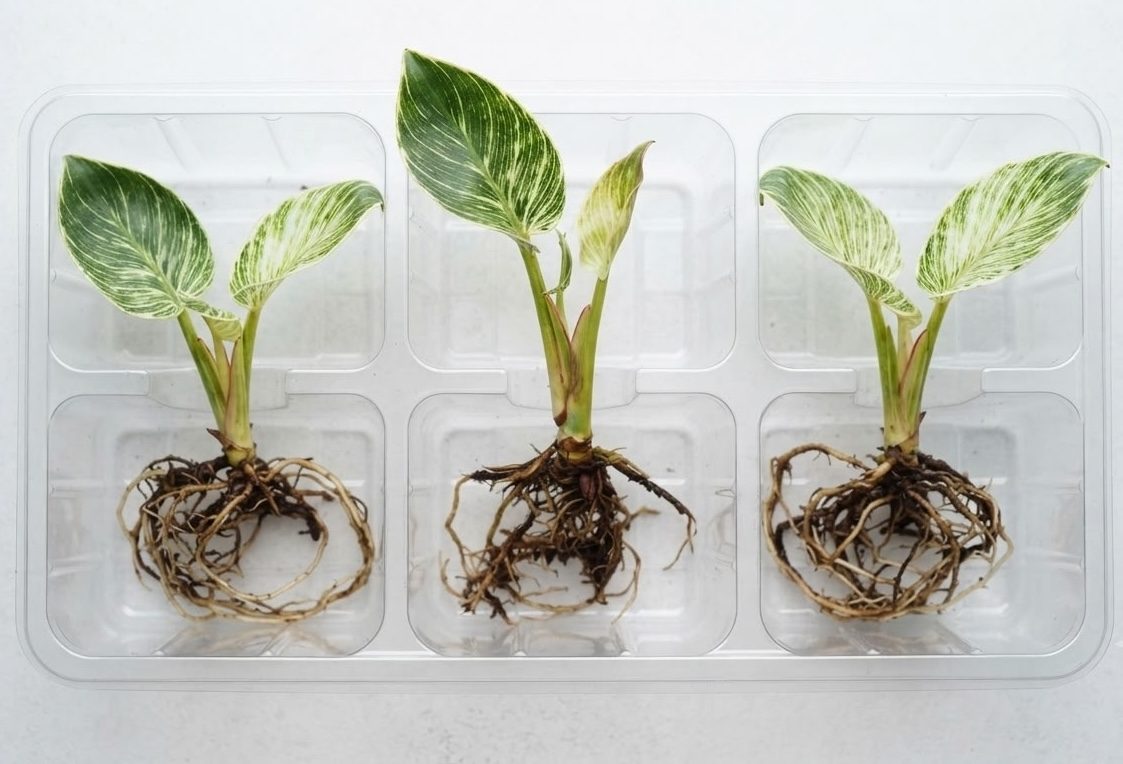
Stem cuttings are the standard method — take a cutting with at least one node and two to three leaves, cutting just below the node, and let the cut end callus for a few hours before planting or placing in water.
Water or Soil — Which Roots Faster?
Water propagation shows visible roots faster, typically within 7-14 days, which makes it easy to monitor progress. Soil propagation takes longer to develop first roots — around 6 weeks — but the cutting skips the transplant shock of later moving from water into soil. Take cuttings during active growth in spring or early summer for the best odds.
Will a Propagated Cutting Keep the Variegation?
It depends entirely on which part of the stem you cut. Because the variegation lives in specific outer cell layers, a cutting taken from a stem section that has already reverted to solid green will grow into a solid green plant — the chimera doesn’t reappear on its own. Take cuttings only from stems that are still clearly showing the pinstripe pattern.
Is Philodendron Birkin Toxic to Cats and Dogs?
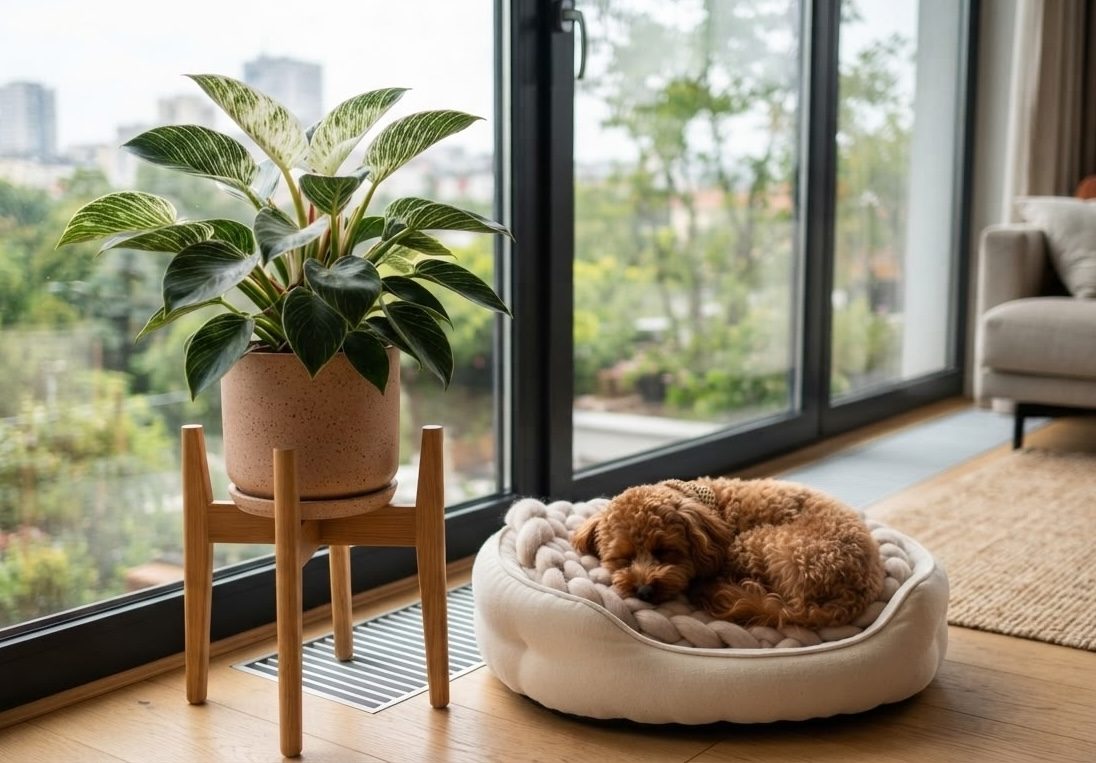
Yes. The ASPCA lists Philodendron at the genus level — its “Variegated Philodendron” entry (the closest match for a variegated cultivar like Birkin) confirms toxicity to both cats and dogs. The toxic principle is insoluble calcium oxalate crystals, the same compound responsible for toxicity across most Philodendron and Araceae family plants. Clinical signs include immediate oral irritation and burning of the mouth, lips, and tongue, excessive drooling, vomiting, and difficulty swallowing.
There’s no Birkin-specific ASPCA listing by name, but the genus-level “spp.” designation used across multiple Philodendron entries — Split-Leaf, Lacy Tree, Horsehead, Cutleaf, Variegated — makes clear that all cultivars, Birkin included, carry the same calcium oxalate risk. Keep it out of reach of cats and dogs regardless of which specific Philodendron cultivar it is.
What Pests Attack Philodendron Birkin?
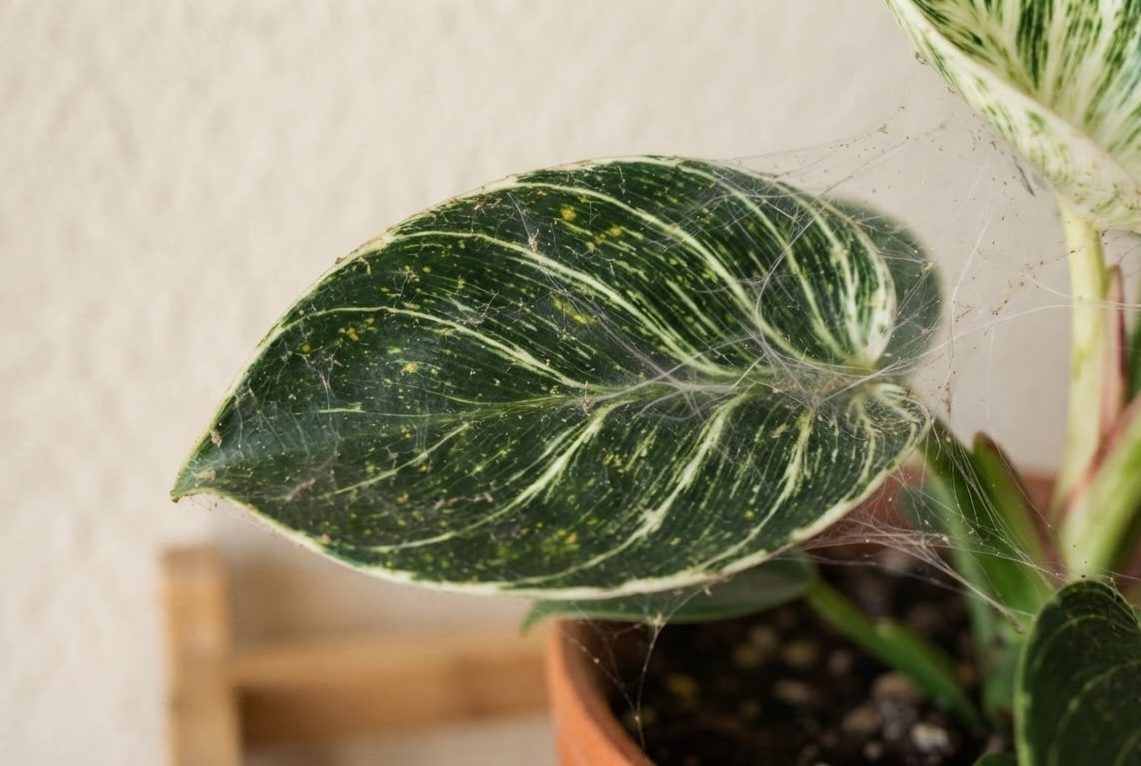
NC State Extension flags spider mites, mealybugs, scale, aphids, and banded greenhouse thrips as the pests to watch for on this cultivar.
Spider Mites
Fine webbing on leaf undersides paired with stippled or yellowing discoloration. Rinse the plant to knock down populations, then treat with insecticidal soap or neem oil, covering leaf undersides thoroughly.
Mealybugs
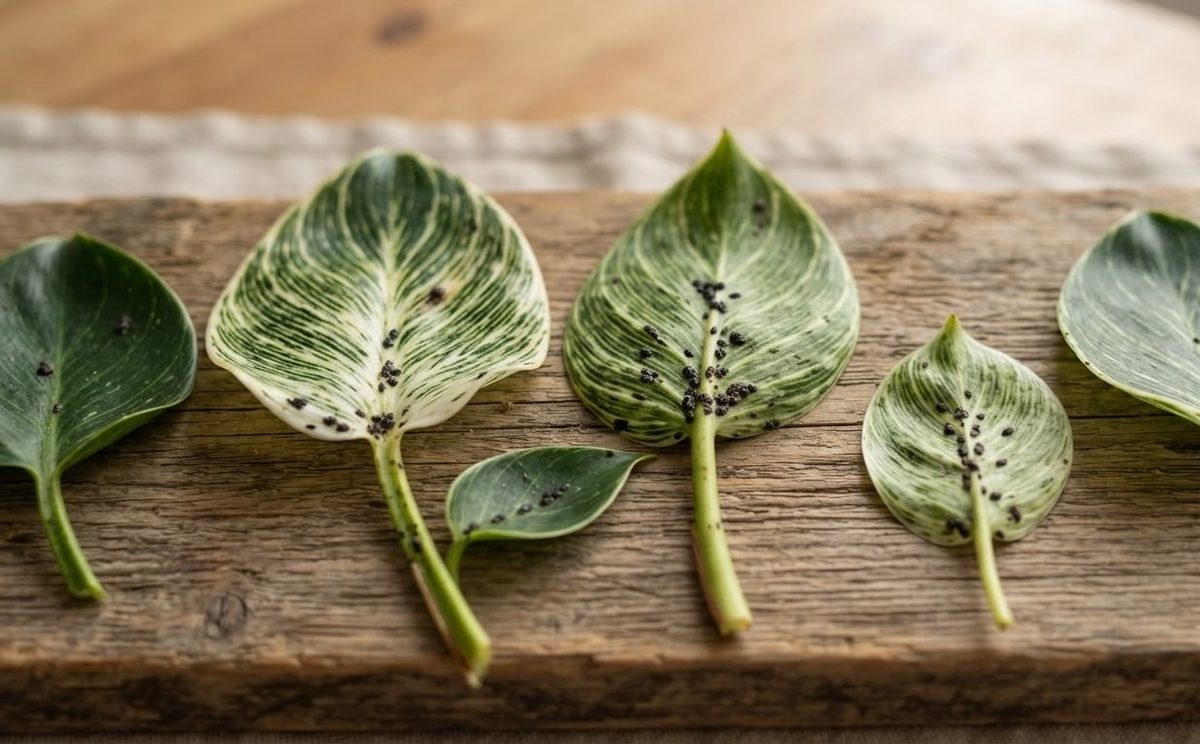
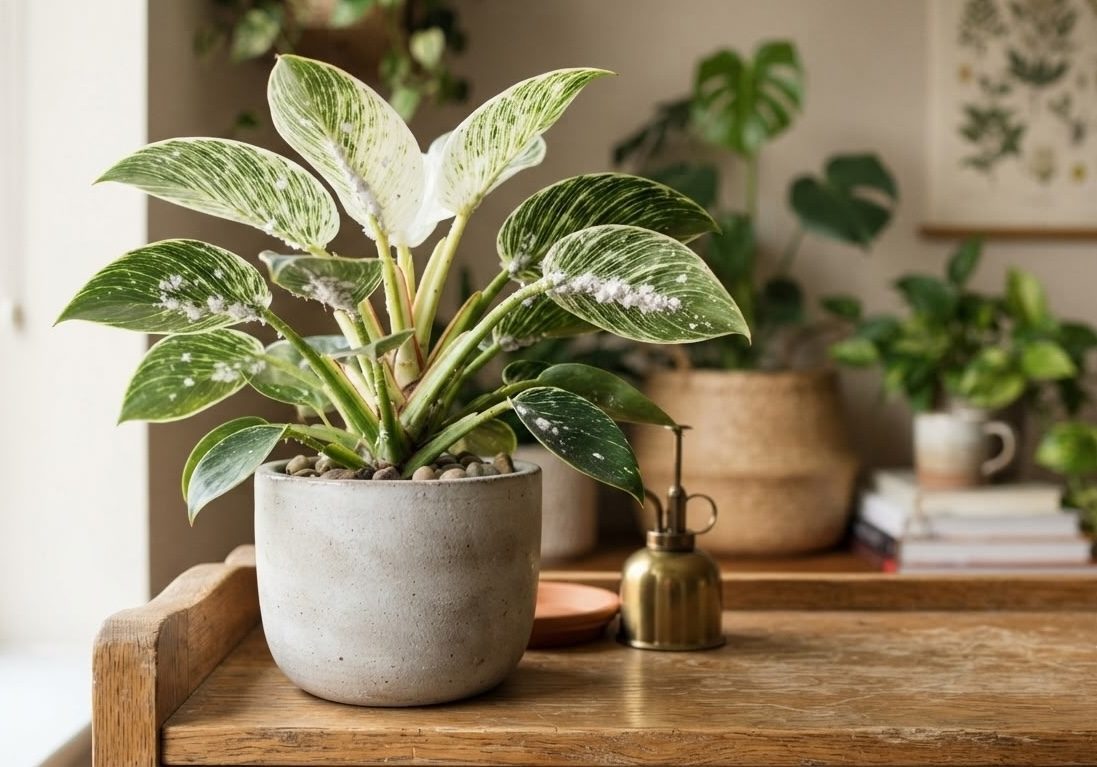
Small white cottony clusters at stem joints and leaf bases. Dab individual colonies with rubbing alcohol on a cotton swab; treat larger infestations with insecticidal soap or neem oil.
Scale
Small, immobile brown bumps along stems that don’t respond to touch the way an active insect would. Scrape off by hand, then follow with neem oil to catch anything missed.
Common Mistakes With Philodendron Birkin
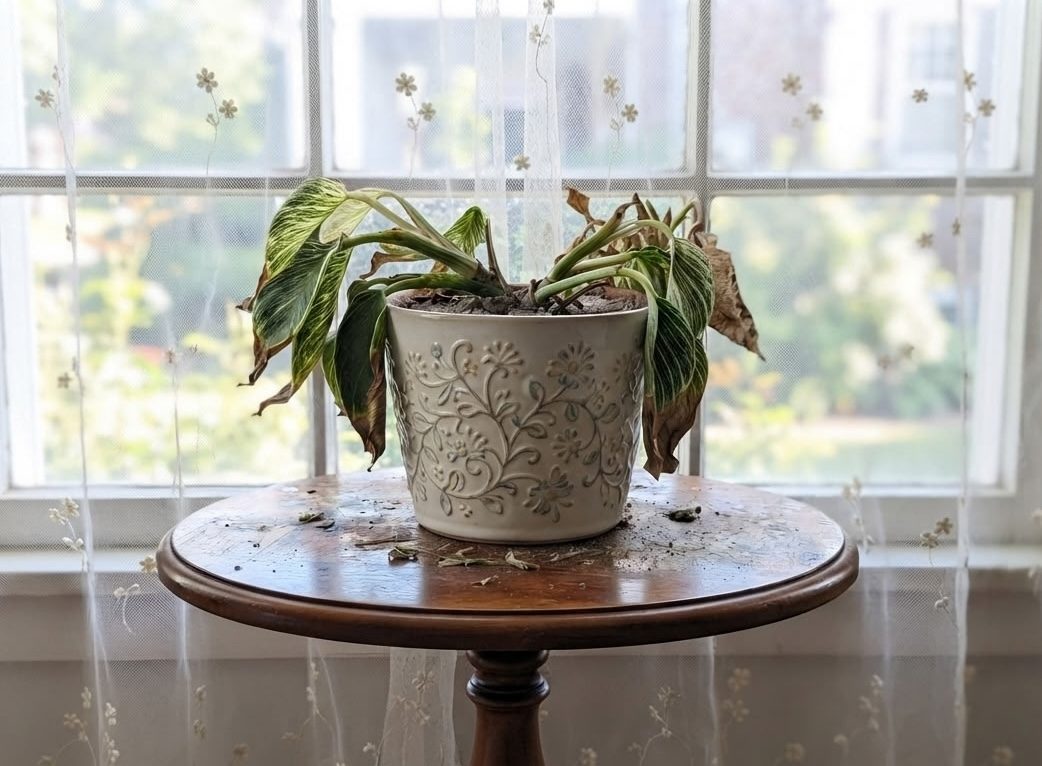
Keeping it in low light and blaming the soil or water when the pattern fades. Variegation loss on Birkin is overwhelmingly a light issue. If new leaves are coming in greener than the old ones, move it somewhere brighter before troubleshooting anything else.
Propagating from a reverted stem. A cutting taken from solid-green growth will not bring the pattern back — always take cuttings from sections that are still clearly variegated.
Watering overhead instead of at the soil. Getting the leaves consistently wet during watering increases the risk of leaf spotting. Water the soil directly rather than sprinkling from above.
Assuming “Pink Birkin” is just marketing. It’s sold widely enough by specialty growers as its own sport that it’s worth treating as functionally distinct from standard Birkin’s temporary pink new-growth phase, even without formal academic confirmation.
Frequently Asked Questions
Is Philodendron Birkin rare?
It was uncommon and expensive when it first entered the market after its 2009-2010 discovery, but tissue-culture propagation has made it widely available at mainstream retailers since. “Pink Birkin” remains the harder-to-find variant.
Why is my Birkin losing its stripes?
Almost always insufficient light. The chimeric variegation depends on specific leaf cell layers staying dominant, and low light favors the plain green tissue instead, causing new growth to come in less striped or solid green.
Can Philodendron Birkin climb?
It has an upright, self-heading growth habit rather than a vining one, so it doesn’t need a moss pole or trellis the way climbing philodendrons do. It stays relatively compact on its own.
Is Philodendron Birkin toxic to dogs?
Yes. The ASPCA lists Philodendron (genus-wide, covering variegated cultivars) as toxic to dogs due to insoluble calcium oxalate crystals, which cause oral irritation, drooling, and vomiting if chewed or ingested.