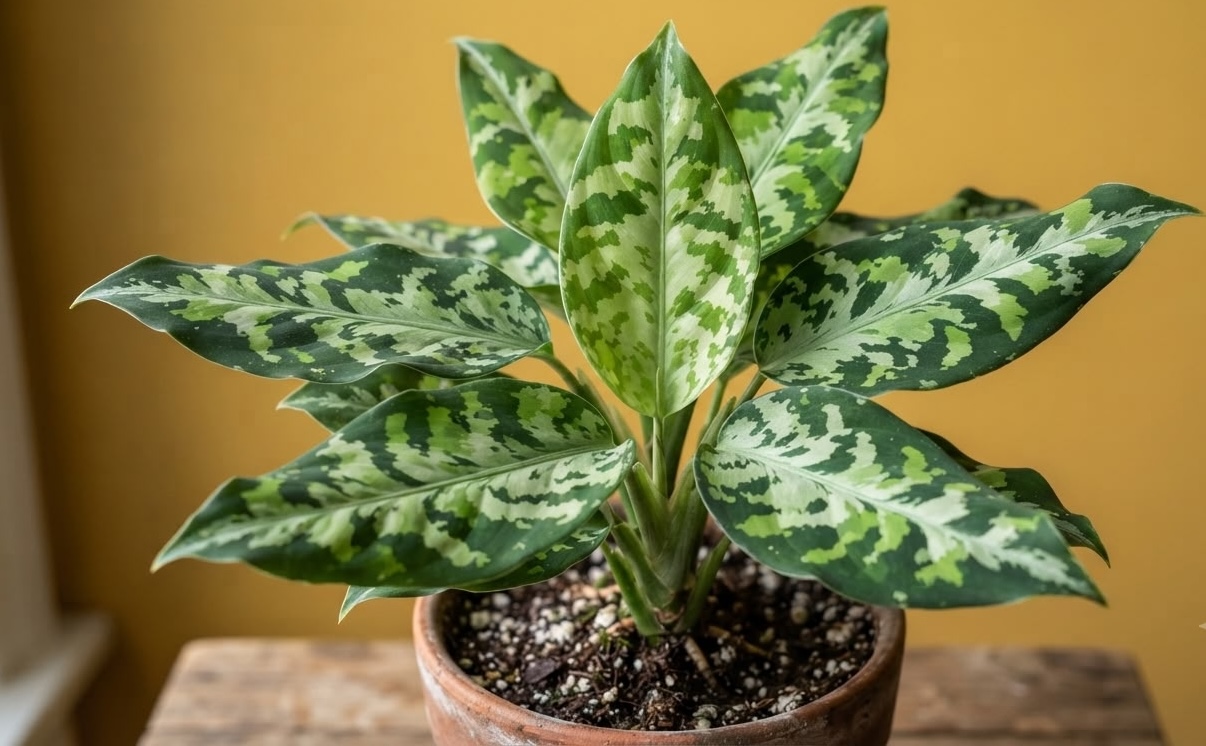
Aglaonema pictum ‘Tricolor’ looks like camouflage gear grew leaves — a pixelated blotching of deep green, pale green, and silvery-grey that no common Aglaonema hybrid comes close to. Unlike the Silver Bays and Marias sold at every garden center, this one is a true wild species, and that distinction is backed by actual genetic data, not just marketing language. See our common Aglaonema care guide if you have one of those instead. It’s also the plant most likely to make an experienced houseplant owner feel like a beginner again.
| Aglaonema Pictum Tricolor Quick Care Summary | |
|---|---|
| Light | Low to moderate indirect; avoid intense direct light |
| Water | Let topsoil dry before watering; consistency matters most |
| Humidity | No proven high-humidity requirement; consistent watering matters more |
| Temperature | 70-80°F (21-27°C); cold-intolerant, USDA 10b-11b |
| Fertilizer | Light feeding during active growth only |
Is Aglaonema Pictum Tricolor a Real Species or Just a Fancy Hybrid?
A real species — and this is backed by more than grower reputation. Aglaonema pictum is the botanical species, and ‘Tricolor’ is a cultivar name within it, but a genetic marker study (AFLP analysis) found DNA fragments in Tricolor specimens that weren’t present in other tested pictum plants, confirming it as genetically distinct even within its own species. The same study found A. pictum forms its own separate genetic cluster from other Aglaonema species, with the lowest similarity score (0.31-0.32) to the hybrids most commonly sold as houseplants. In plain terms: this isn’t a man-made cross like Silver Bay or Maria — it’s a genuinely wild plant.
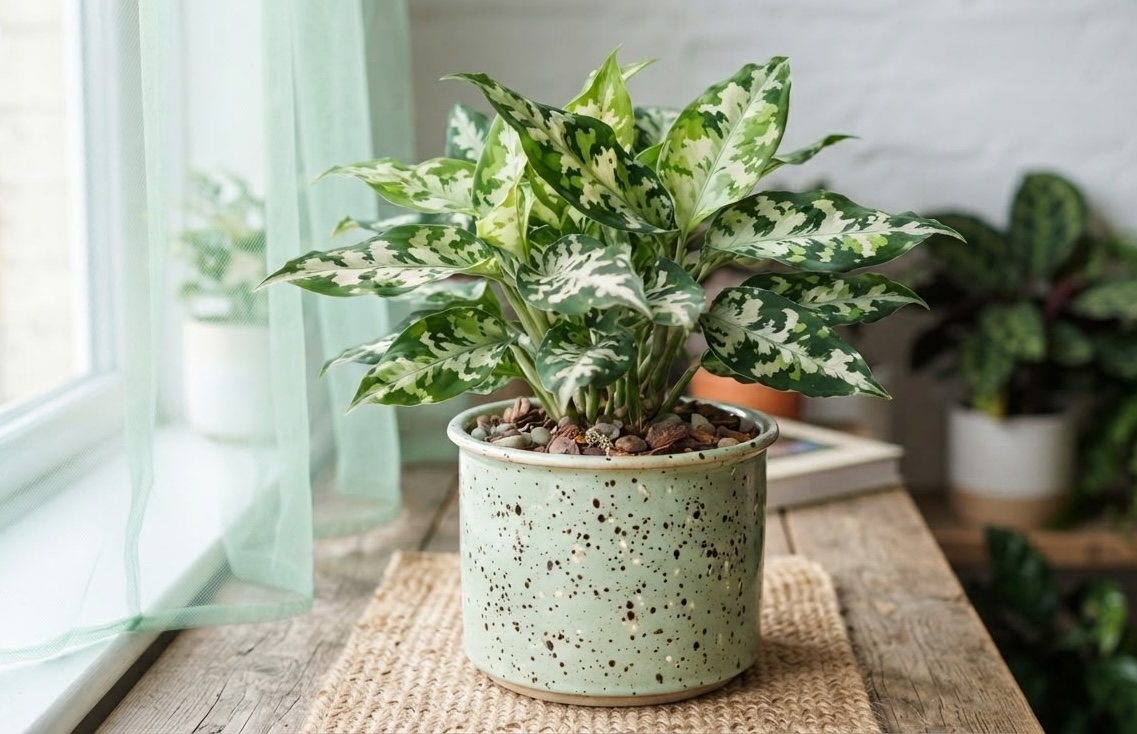
It’s native to Sumatra, growing on volcanic slopes at roughly 1,000 to 2,000 meters elevation, in the shaded, humid understory of the rainforest floor — a narrow, specific habitat that helps explain both its distinctive appearance and why it’s harder to source than common cultivars.
Why Is Aglaonema Pictum Tricolor So Expensive?
Slow growth combined with a narrow native range makes this plant genuinely hard to mass-produce. Seed is difficult to obtain, so nearly all nursery stock is vegetatively propagated — mainly out of Indonesia and Thailand — rather than grown from seed at scale the way common hybrids are. That scarcity is why small specimens routinely sell for $100 to $200 or more, a price common Aglaonema cultivars never approach.
Does Tricolor Need More Light Than Common Aglaonema?
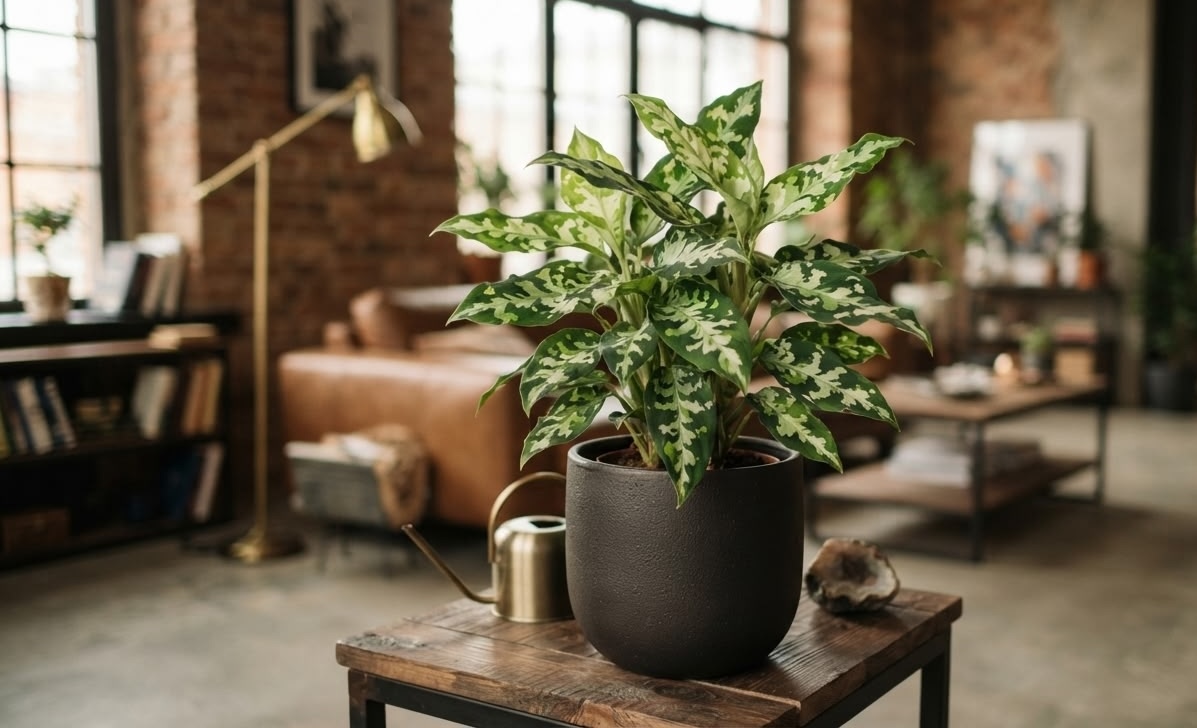
This is a real point of disagreement among growers, and it’s worth being honest about rather than repeating whichever version sounds more authoritative. NC State Extension’s genus-level page lists ‘Tricolor’ by name but gives no light guidance beyond the general Aglaonema tolerance for deep-to-partial shade — there’s no extension-level evidence it needs brighter light than common cultivars.
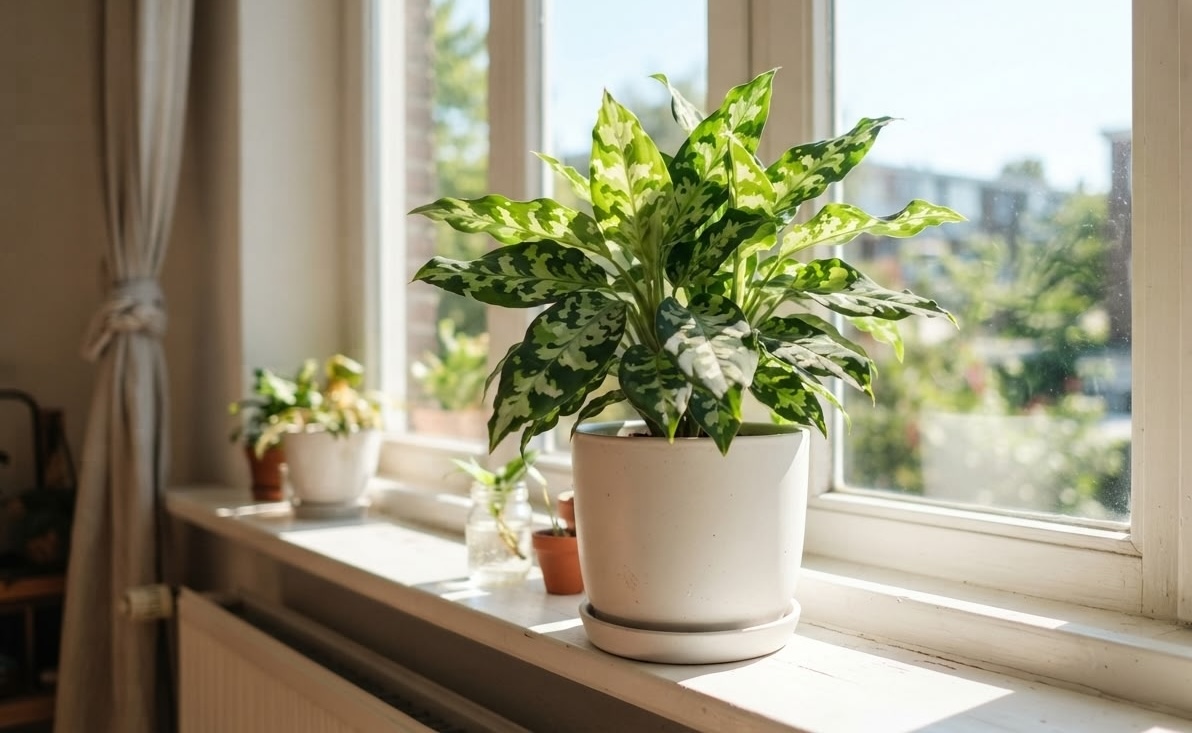
Grower opinion is genuinely split. Some report that brighter indirect light preserves the pattern’s contrast, similar to how variegated common Aglaonema need more light to hold their coloring. But at least one detailed grower account reports the opposite — that variegation intensity can actually fade under light stronger than roughly 200 foot-candles, with the plant doing best in a 75-125 foot-candle range, which is dimmer than a bright windowsill. Treat “it needs more light” as an unverified, contested claim rather than settled fact — moderate indirect light, not intense brightness, is the safer default until you see how your specific plant responds.
Does Tricolor Really Need High Humidity?
Probably not as strictly as its reputation suggests. Humidity claims across grower sources range wildly — anywhere from 50% to “above 60%” — with no authoritative extension figure backing any specific number. At least one experienced grower reports success below 50% humidity as long as watering stays consistent. The likely truth: watering consistency matters more to this plant’s health than hitting a specific humidity percentage, and the “needs high humidity” claim is probably overstated relative to how much it’s repeated.
How Often Should You Water Aglaonema Pictum Tricolor?
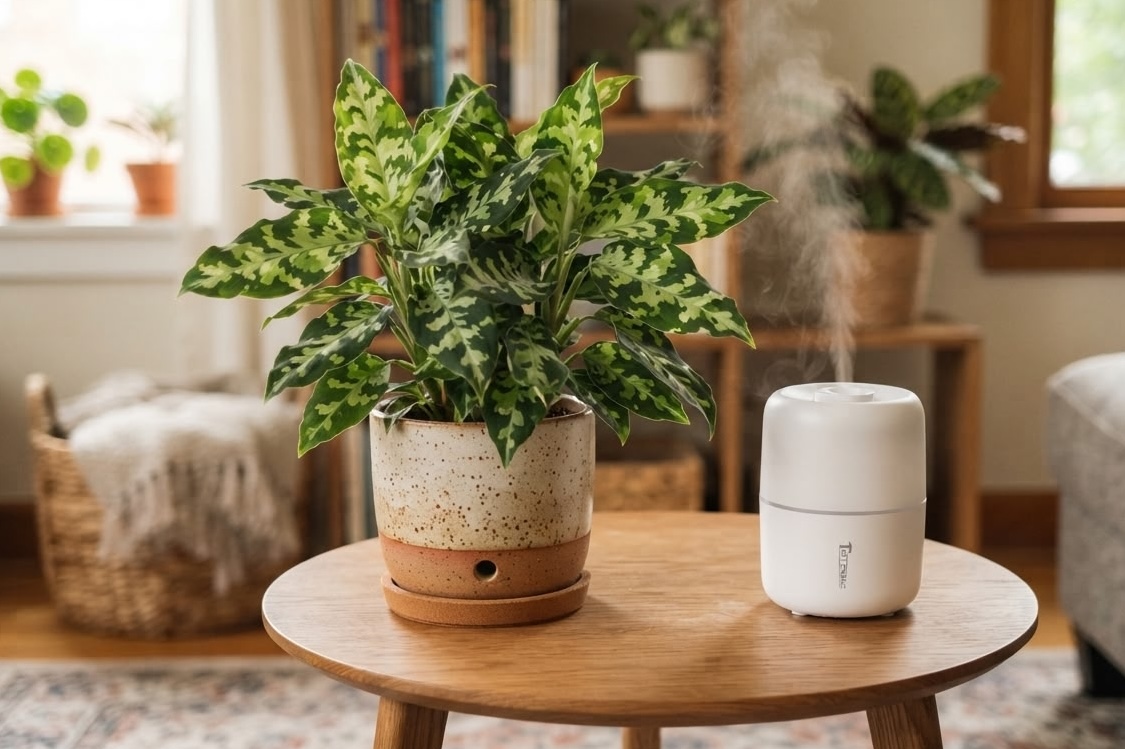
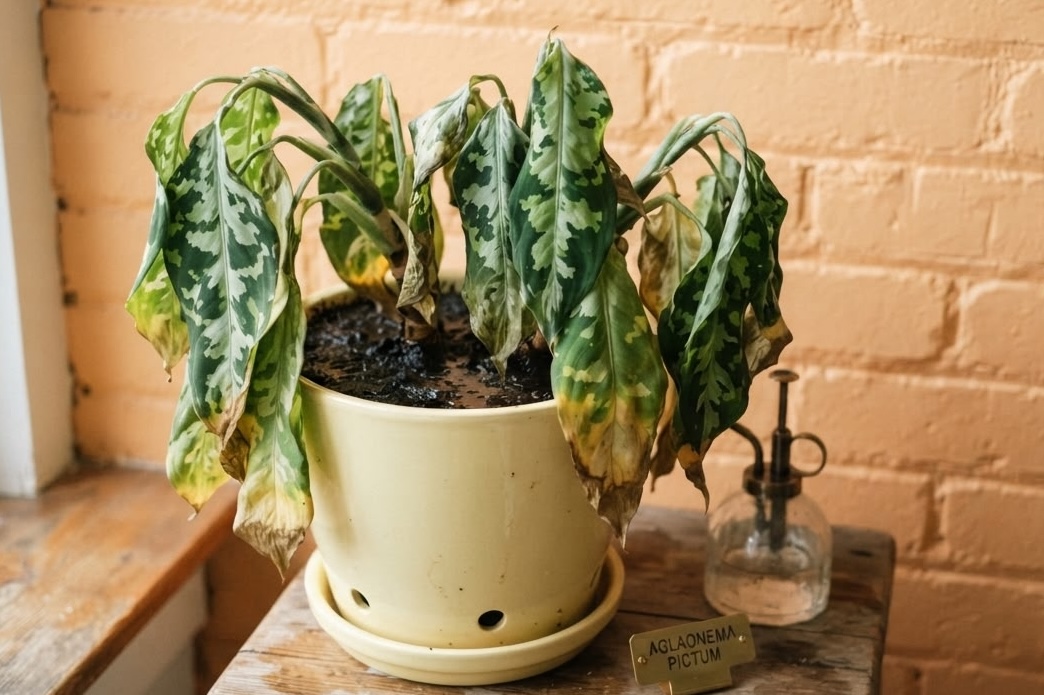
Let the top layer of soil dry before watering again, using a loose, well-draining aroid mix. Grower consensus is consistent on this point even where humidity claims aren’t: overwatering and poor drainage are the most commonly cited causes of root rot in this cultivar, and root rot is the single most common way growers report losing this plant. If you’re going to err in one direction, err toward slightly dry rather than slightly wet.
What Temperature Does It Need?
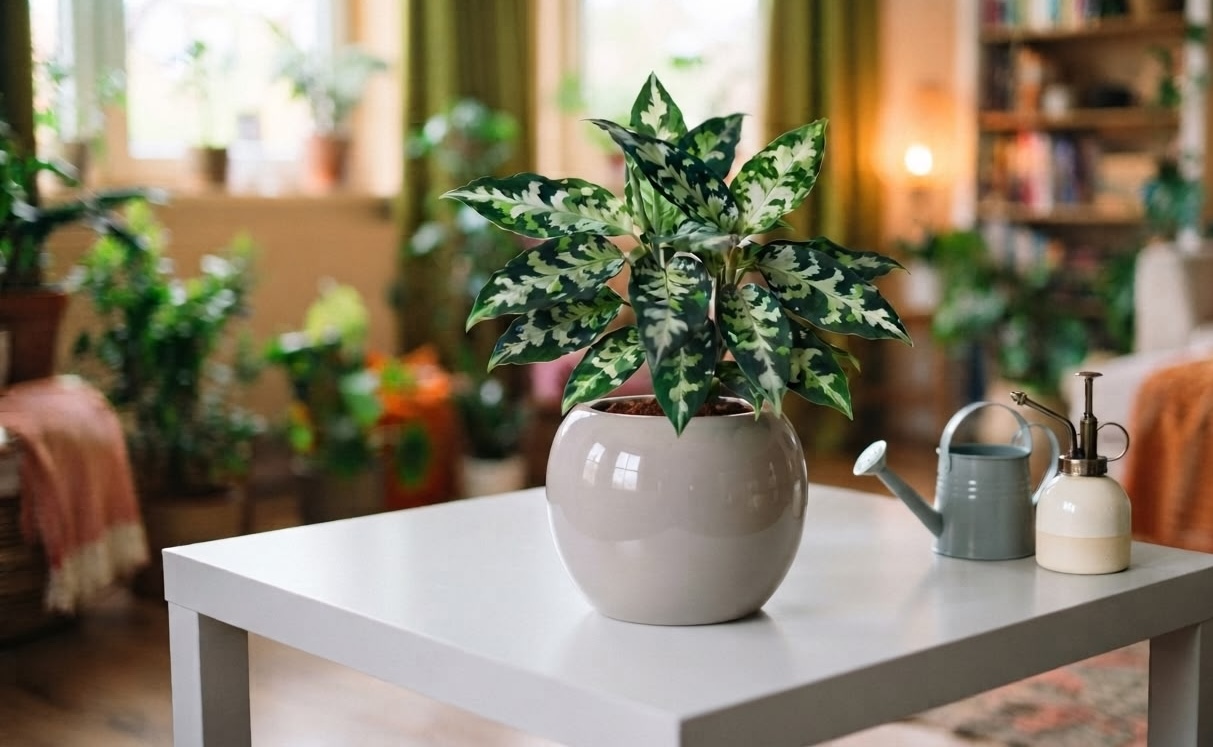
70-80°F (21-27°C) is the comfortable range. This comes from NC State Extension’s genus-level Aglaonema data (cold-intolerant, hardy only to USDA zones 10b-11) rather than anything specific to Tricolor — no source found suggests this cultivar is more cold-sensitive than common Aglaonema, despite its reputation for being finicky in other respects.
How to Propagate Aglaonema Pictum Tricolor
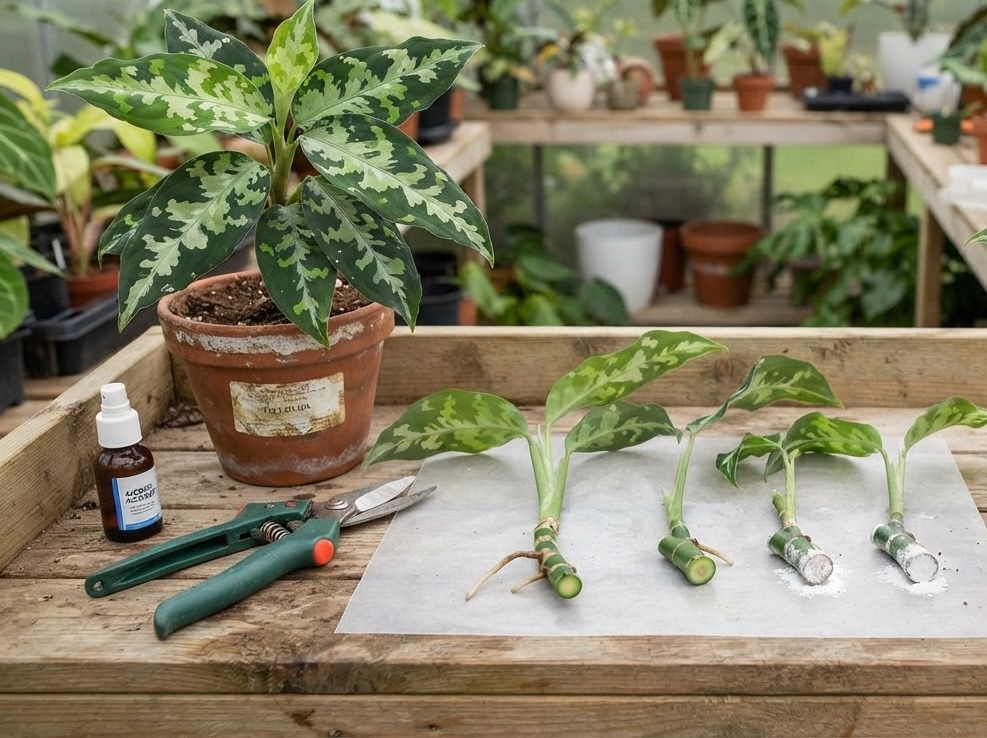
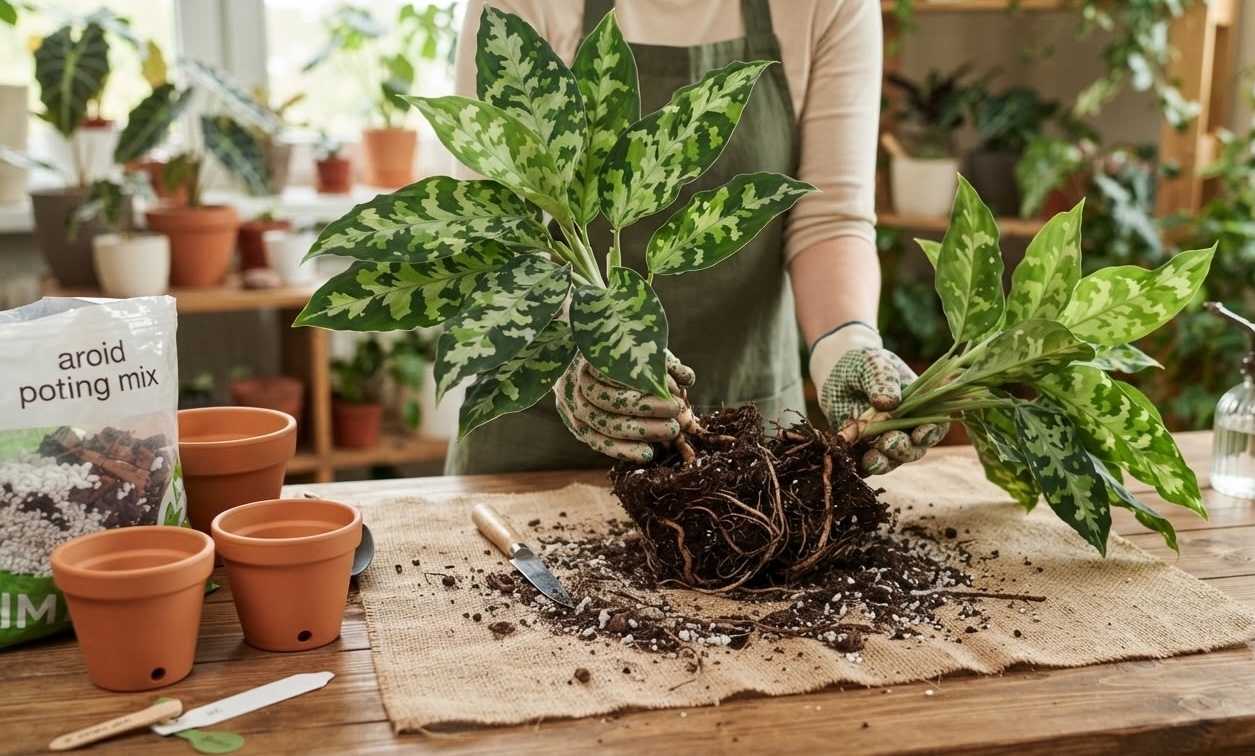
The same two methods used for common Aglaonema apply here: nodal stem cuttings (rooted in water or soil) or division of offsets, though no source gives a reliable rooting timeline specific to this cultivar — expect it to take at least as long as common Aglaonema, likely longer given its overall slower growth. Seed propagation exists but is rare and impractical for home growers — seed is hard to source and slow to mature, which is part of why vegetative propagation dominates the trade. There’s no cultivar-specific propagation technique that differs from common Aglaonema; the main difference is simply that Tricolor’s overall slower growth rate makes the whole process take longer.
Is Aglaonema Pictum Tricolor Toxic to Cats and Dogs?
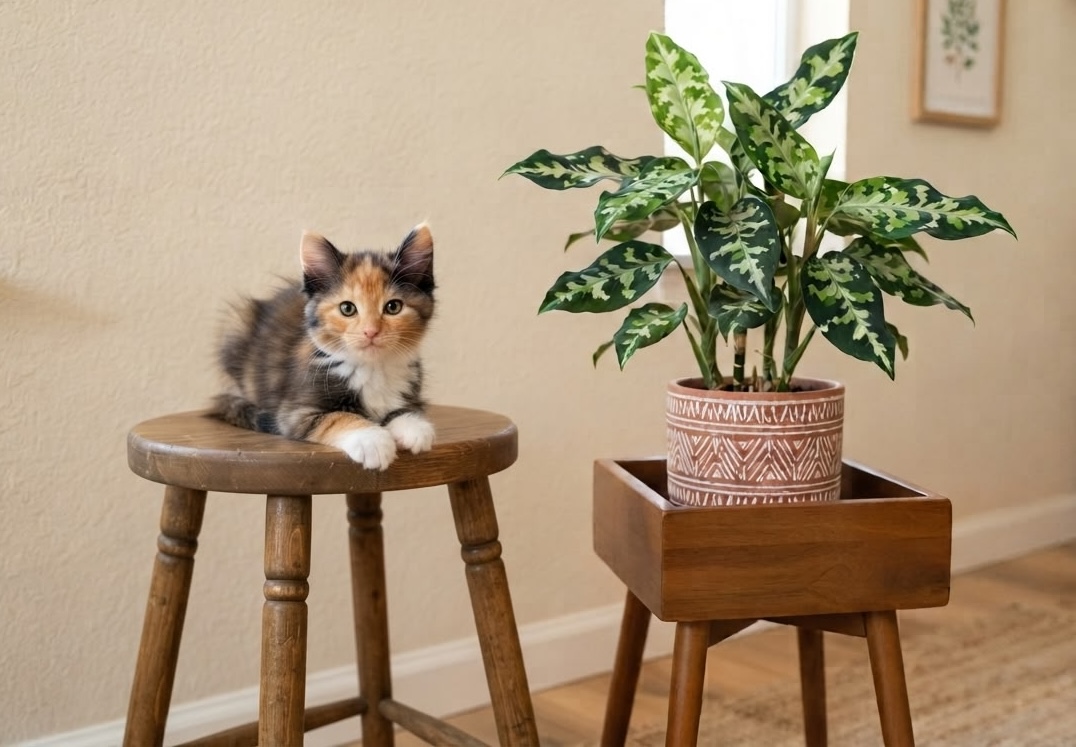
Treat it as toxic, on the same basis as every other Aglaonema. The ASPCA’s listing for “Chinese Evergreen” specifically names Aglaonema modestum — there’s no dedicated entry for A. pictum or ‘Tricolor’ by name. The toxic principle, insoluble calcium oxalate crystals causing oral irritation, drooling, and vomiting, is common to calcium-oxalate-bearing Araceae across the genus, so the absence of a cultivar-specific listing isn’t a reason to assume this plant is any safer around pets than its common relatives.
Common Mistakes With Aglaonema Pictum Tricolor
Overwatering because “it’s rare, it needs more attention.” More attention doesn’t mean more water — if anything, this plant tolerates overwatering worse than common Aglaonema. Root rot from wet soil is the most-cited cause of death among growers.
Chasing a specific humidity number instead of watering consistency. The high-humidity requirement repeated across plant blogs isn’t well-substantiated by any authoritative source. Spending money on a humidifier before nailing down a consistent watering routine is solving the wrong problem first.
Assuming brighter is always better for the pattern. Grower reports are split, and at least one account suggests intense light actually fades the variegation rather than enhancing it. Moderate indirect light is the safer starting point, adjusted based on how your specific plant responds rather than assumed from general variegated-plant logic.
Confusing it with common variegated Aglaonema when buying. The blotched, camouflage-style pattern of true pictum ‘Tricolor’ is distinct from the simpler white or cream variegation of hybrids like Siam Aurora — paying species-level prices for a common hybrid (or vice versa) comes down to knowing which pattern you’re actually looking at.
Frequently Asked Questions
Is Aglaonema pictum tricolor rare?
Yes, genuinely — it’s a slow-growing wild species from a narrow native range in Sumatra, propagated mainly by vegetative cuttings rather than mass seed production, which keeps supply limited and prices high compared to common Aglaonema hybrids.
Why is my Aglaonema pictum tricolor losing its pattern?
Possibly too much light rather than too little — grower reports suggest variegation intensity can fade under intense light in this specific cultivar, the opposite of what’s true for many variegated houseplants. Moderate indirect light is the safer default.
How is Aglaonema pictum tricolor different from regular Aglaonema?
It’s a true wild species confirmed genetically distinct from common hybrid cultivars like Silver Bay or Maria, with a blotched camouflage leaf pattern rather than simple variegation, slower growth, and a significantly higher price point.
Is aglaonema pictum tricolor toxic to cats?
Treat it as toxic. The ASPCA’s Chinese Evergreen listing covers the genus via calcium oxalate crystals; there’s no separate listing for this specific cultivar, but the same toxic mechanism applies across Aglaonema.