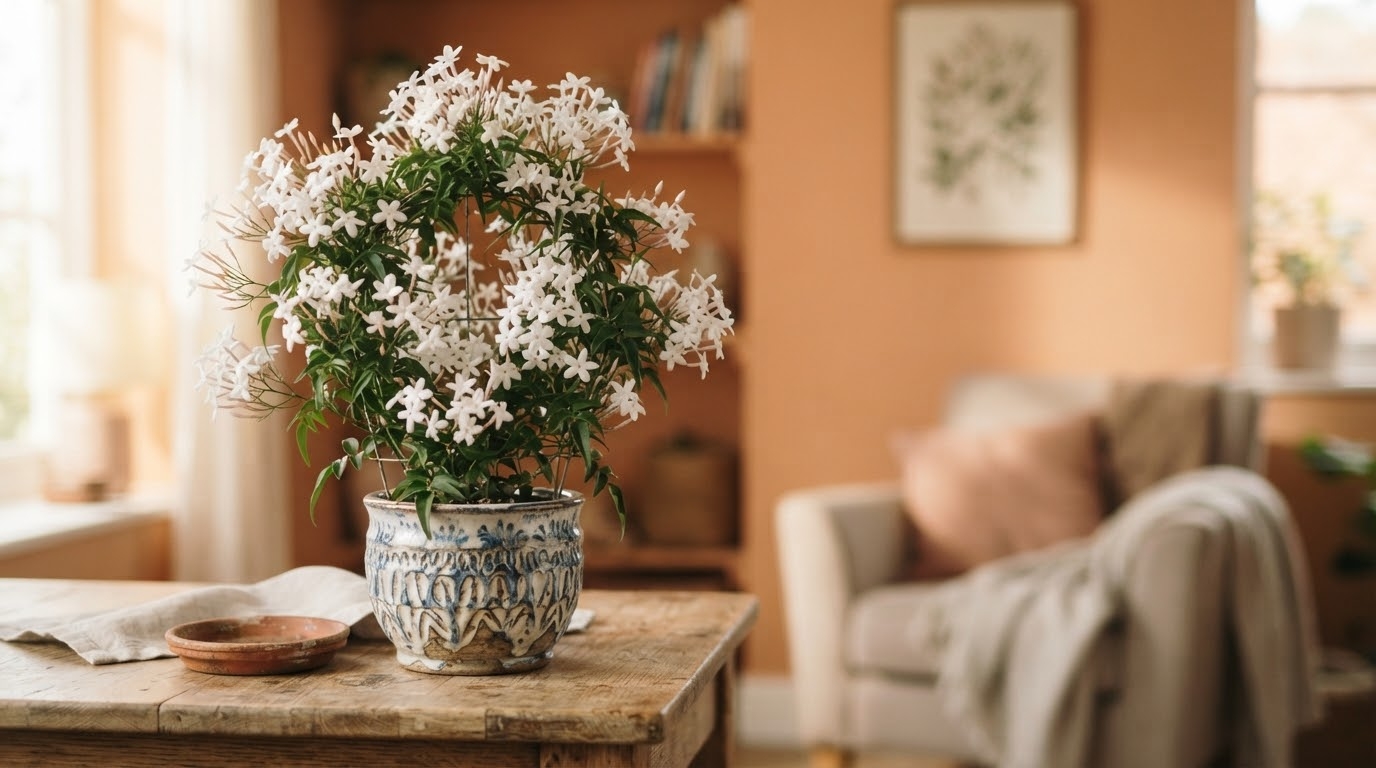
Jasmine isn’t one plant — it’s a name applied to at least five different genera, and that confusion is the root of most jasmine care problems people run into online. True jasmine (the genus Jasminum) behaves differently from star jasmine, and both behave differently from plants that only borrow the name, like Cape jasmine or Madagascar jasmine. This guide covers Jasminum species specifically — for other jasmine-named plants, see the species-specific guides linked below.
| Jasmine Quick Care Summary | |
|---|---|
| Light | 6+ hours direct sun for most species; some tolerate part shade but bloom less |
| Water | Consistently moist, never waterlogged; water when top inch dries |
| Soil | Well-draining, slightly acidic; pH above 7.2 blocks phosphorus and potassium uptake |
| Temperature | USDA zones 8-11 for most; tender types need 55°F (13°C) minimum |
| Pruning | Immediately after flowering — never before or during bud formation |
Which Jasmine Do You Actually Have?
Before troubleshooting anything, confirm you have a true Jasminum species and not a plant that just borrows the name. This matters for both care and safety. If your plant is a climbing vine with waxy, star-shaped white flowers and a strong scent, it may actually be star jasmine (Trachelospermum jasminoides) — a completely different genus with different light and pruning needs. If it’s a compact, glossy-leaved shrub often sold in Southeast Asian markets or grown as a lei flower, it’s likely Arabian jasmine (Jasminum sambac). If a nursery tag calls it “biblical jasmine,” that name doesn’t correspond to any confirmed botanical species — read that guide before you buy or plant it. And if you’ve seen jasmine trained into a small tree shape at a garden center, that’s a growing technique, not a species — covered in our jasmine tree guide.
What Light Does Jasmine Need?
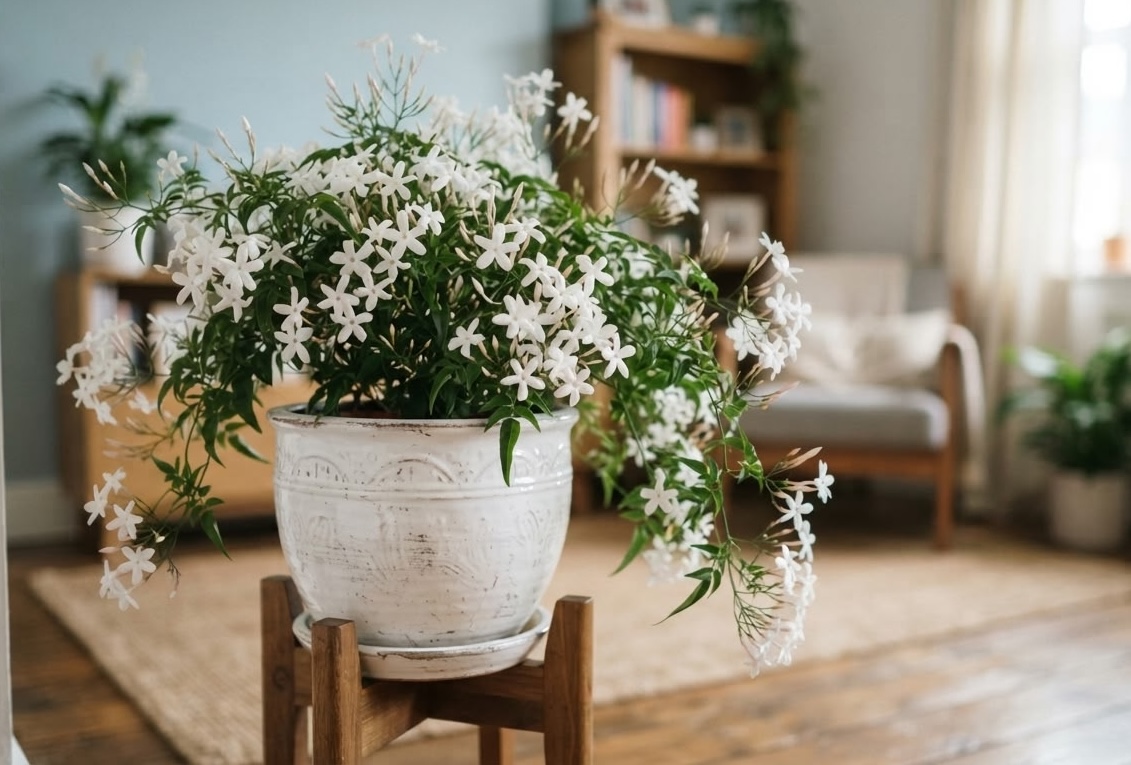
Most true jasmine needs real direct sun to flower well, not just bright indirect light. Jasminum officinale (common or poet’s jasmine) needs a minimum of 6 hours of direct, unfiltered sunlight daily to bloom reliably. Shadier spots keep the plant alive and leafy but produce noticeably fewer flowers — this is the single most common reason jasmine grows fine but never blooms.
How Often Should You Water Jasmine?
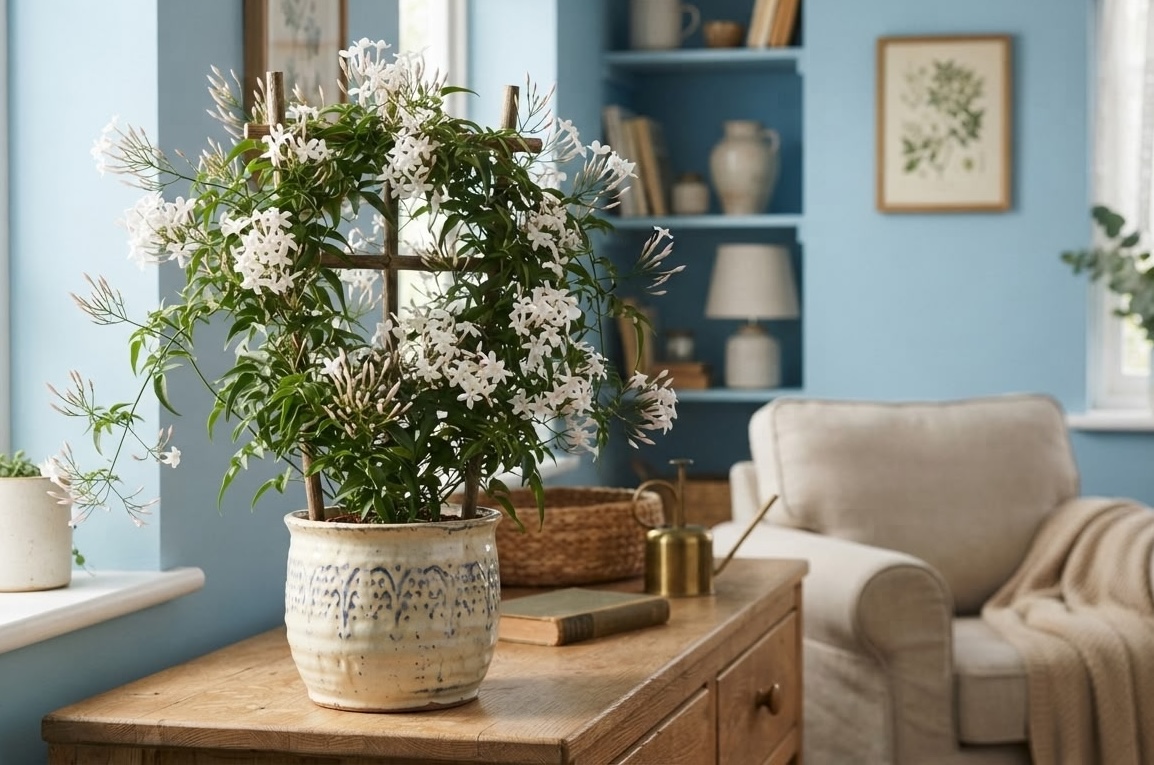
Water when the top inch of soil feels dry, keeping the root zone consistently moist through the growing season without letting it sit waterlogged. Jasmine is unusually sensitive to both extremes: drought stress delays flowering and causes bud drop, while excessive irrigation causes root rot that can kill the plant if not caught early. Consistency matters more than any specific schedule — erratic watering (bone dry, then soaked) causes more problems than a slightly-too-frequent but steady routine.
What Does Overwatering Look Like?
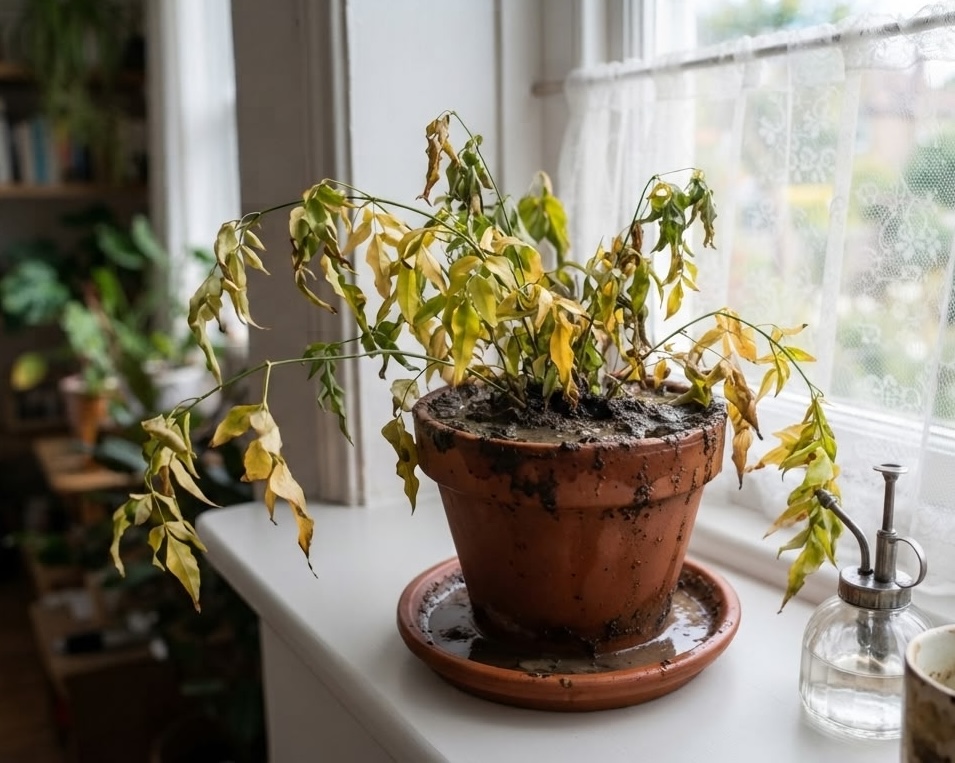
Yellowing leaves starting from the base of the plant, a musty smell from the soil, and stems that feel soft rather than firm. Root rot in jasmine often isn’t obvious above the soil line until it’s advanced — if lower leaves yellow and drop while the soil stays wet for days after watering, check the roots before assuming a nutrient problem.
What Soil Does Jasmine Need?
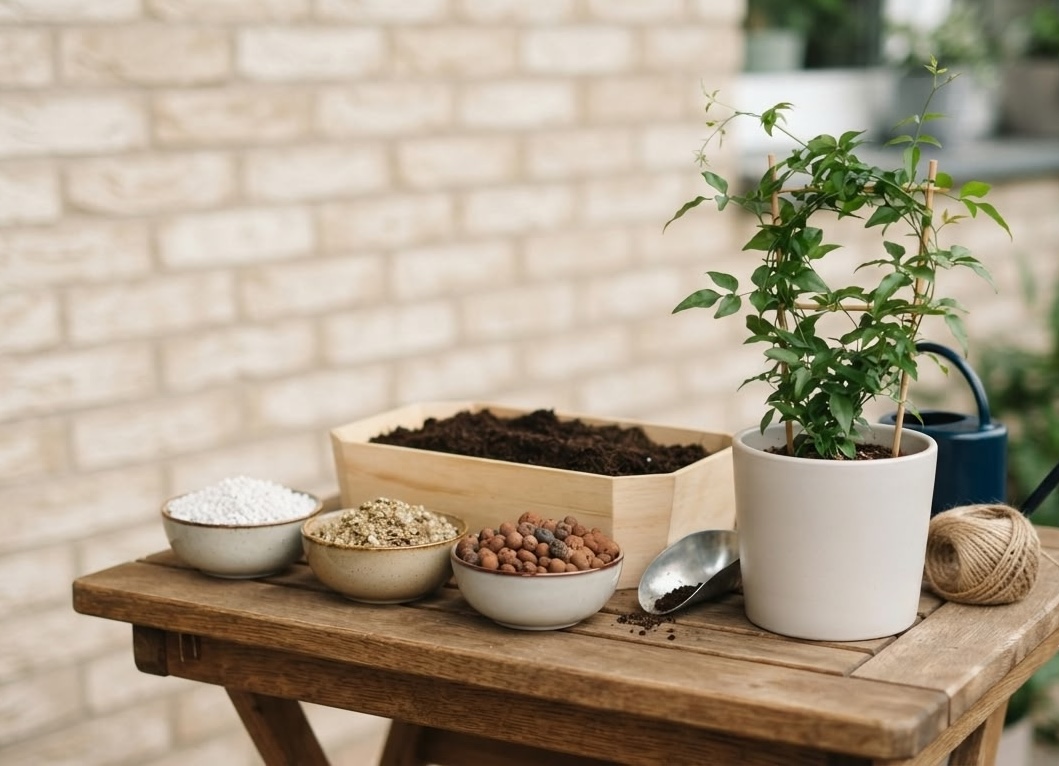
Well-draining and slightly acidic. Soil pH above 7.2 locks up phosphorus and potassium, making them unavailable to the plant even if they’re present in the soil — this can silently starve a jasmine of the nutrients it needs to flower even when fertilized normally. If your jasmine won’t bloom despite good light and regular feeding, a pH test is worth doing before adding more fertilizer.
When and How to Prune Jasmine
Prune immediately after the main flowering period ends, never before or during bud formation. Jasmine sets flower buds on wood grown the previous season, so pruning at the wrong time removes the buds that would have become next season’s flowers — this is a mistake worth naming directly, because “just prune it back to control the size” is common general gardening advice that actively costs jasmine growers their next bloom cycle.
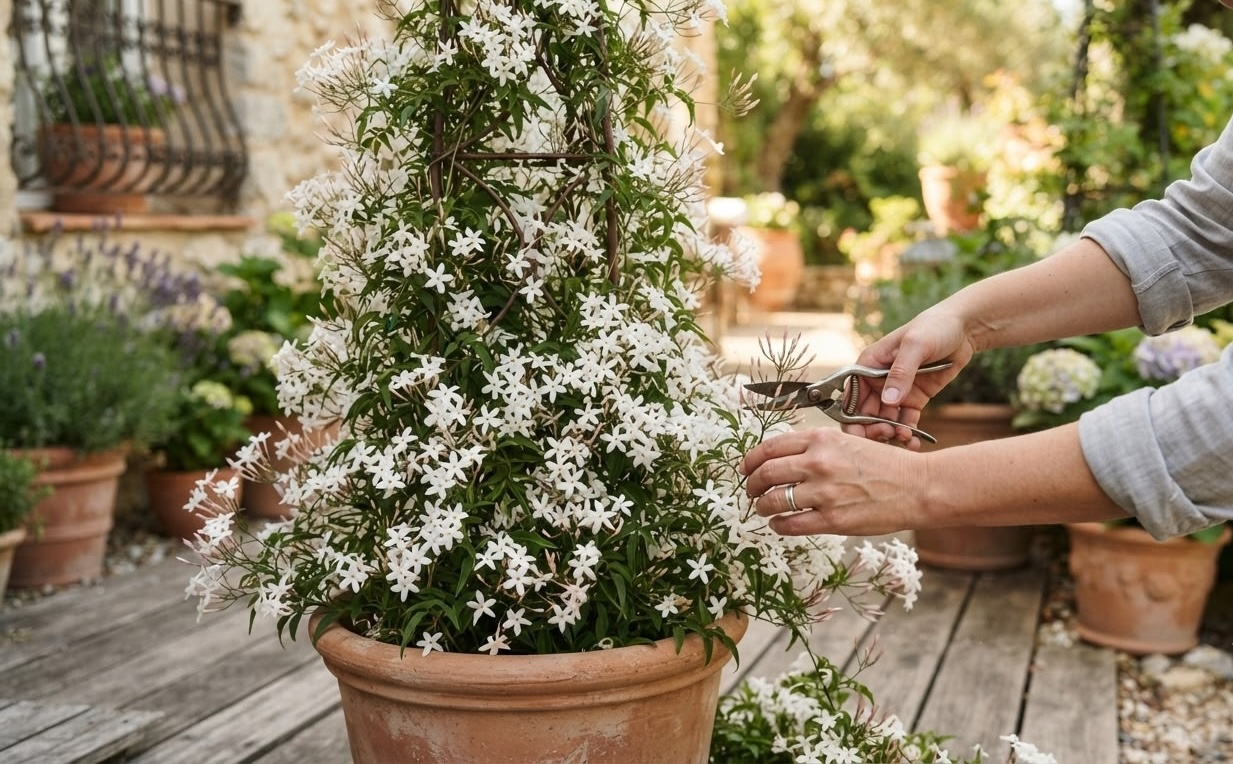
Timing depends on which type you have. Summer-flowering types like common jasmine (Jasminum officinale) get pruned right after their main summer bloom ends. Autumn-blooming types like pink jasmine (Jasminum polyanthum) are pruned in late summer, before the autumn flush. Winter-flowering jasmine, which blooms on bare stems in late winter, gets pruned immediately after that late-winter bloom — not in fall, which is a mistake that invites dieback and fungal entry over winter on wounds that haven’t had time to heal.
How to Get Jasmine to Bloom More
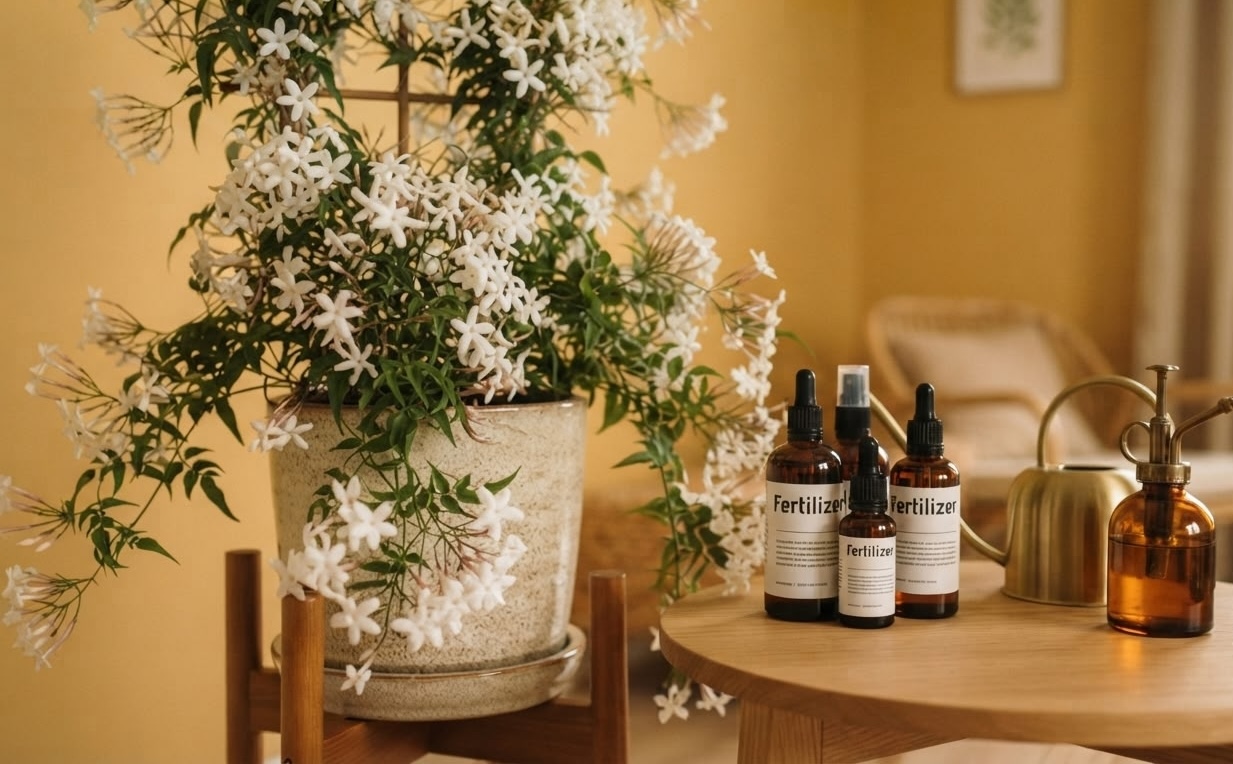
Three things account for most non-blooming jasmine: insufficient light, pruning at the wrong time, or root stress. Beyond the light and pruning issues covered above, root-bound plants in containers often stop blooming even with good light — if a jasmine hasn’t been repotted in several years and growth has visibly stalled, check whether roots are circling the pot before troubleshooting anything else. Overfeeding with high-nitrogen fertilizer is the other common culprit: it pushes leafy growth at the expense of flowers, so a bloom-focused feed lower in nitrogen and higher in phosphorus works better than an all-purpose formula once the plant is established.
Is Jasmine Toxic to Cats and Dogs?
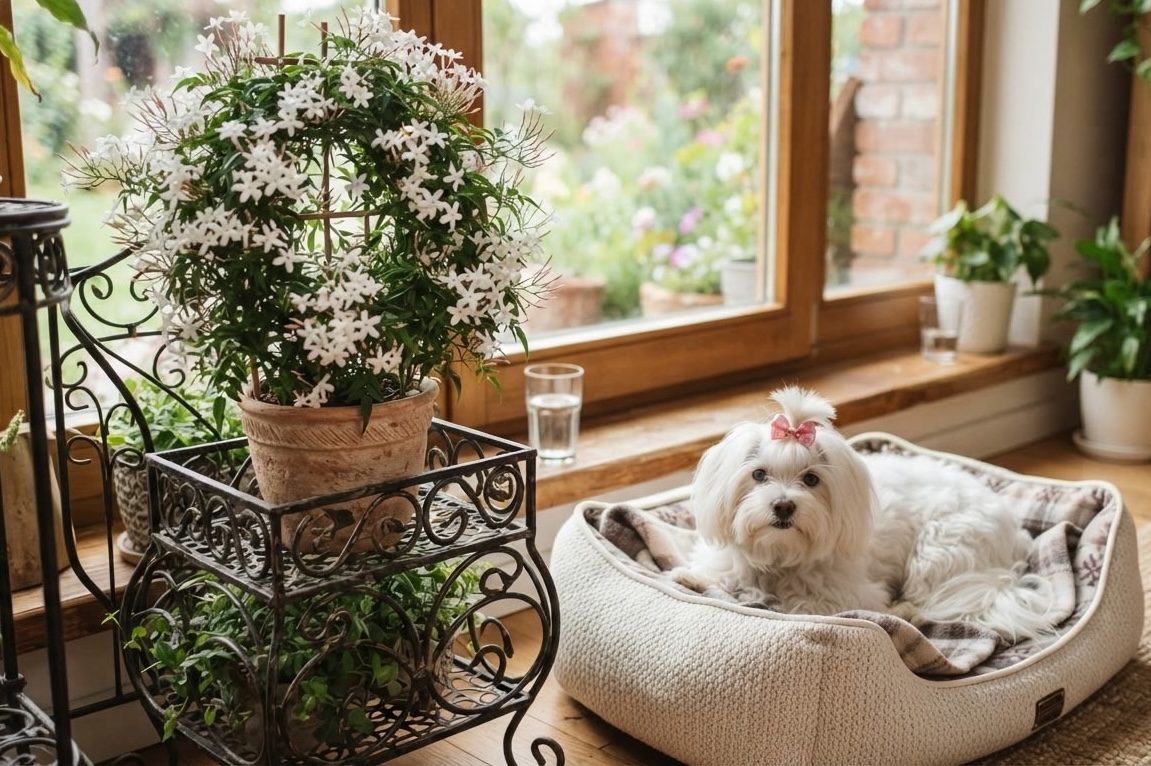
True jasmine (Jasminum species) is listed as non-toxic to dogs, cats, and horses by the ASPCA. But “jasmine” is one of the most misapplied common names in gardening — plants like Cape jasmine (Gardenia jasminoides) and Paraguayan jasmine are toxic despite the shared name, while star jasmine and Madagascar jasmine are non-toxic but belong to entirely different genera. See our full toxicity comparison across jasmine-named plants before assuming your specific plant is safe based on the name alone.
Common Mistakes With Jasmine
Pruning on a fixed calendar instead of after flowering. Jasmine species bloom at different times of year, so “prune in spring” as a blanket rule removes flower buds on some types and misses dead growth on others.
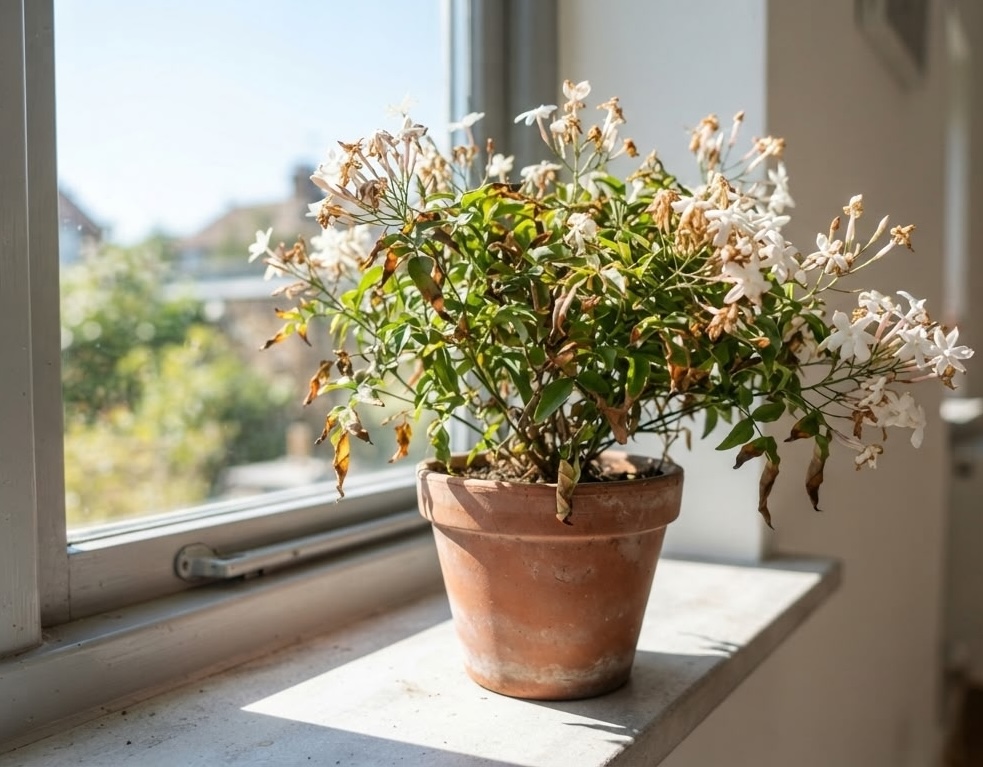
Assuming bright indirect light is enough. Most true jasmine needs 6+ hours of direct sun to flower — a plant kept purely in indirect light will usually survive but rarely bloom well.
Fertilizing more when blooms don’t appear. If the actual issue is insufficient light, wrong pruning timing, or a root-bound container, more fertilizer won’t fix it and excess nitrogen actively makes flowering worse by encouraging foliage growth instead.
What Doesn’t Work
Misting the leaves does not substitute for the humidity or light a jasmine actually needs to bloom — it can help with dry air in heated homes but won’t fix a flowering problem rooted in insufficient sun. Similarly, no amount of fertilizer forces blooming in a plant that isn’t getting enough direct light; feeding a shaded jasmine more heavily just produces more leaves.
Frequently Asked Questions
Why is my jasmine plant not flowering?
Most often it’s one of three things: fewer than 6 hours of direct sun, pruning at the wrong point in the bloom cycle, or a root-bound container. Check light exposure first, since it’s the most common cause.
Can jasmine grow indoors?
Some types, particularly Arabian jasmine, adapt reasonably well to bright indoor conditions, but most true jasmine species need more direct light than a typical indoor spot provides and bloom better outdoors or in a sunroom with several hours of unfiltered sun.
How fast does jasmine grow?
Growth rate varies significantly by species — vining types like common jasmine can extend several feet in a single growing season under good conditions, while shrub types like Arabian jasmine grow more slowly and compactly.
Is all jasmine fragrant?
No. True jasmine species vary in scent strength, and some plants commonly called “jasmine” — including star jasmine and various night-blooming types — have distinct, not interchangeable, fragrances. A few jasmine-named plants have little to no scent at all.