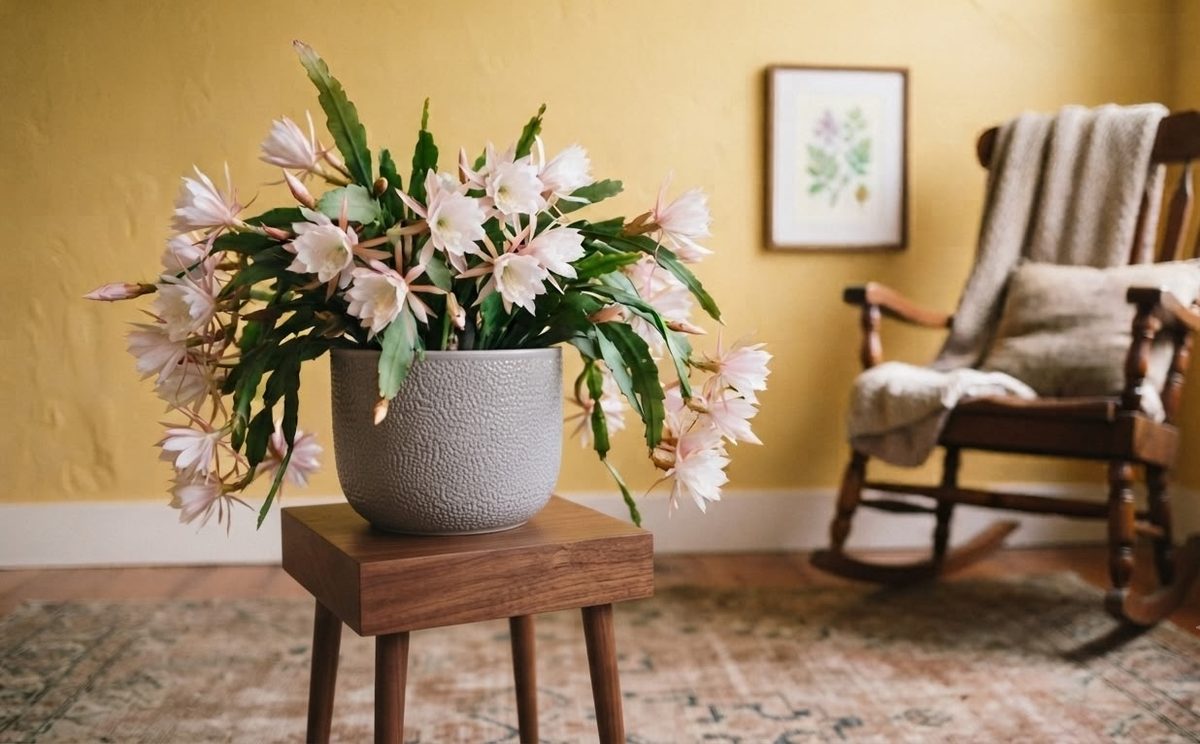
Orchid cactus looks nothing like a cactus, and that’s the point. Epiphyllum grows on trees and rocks in Central and South American rainforests, not in desert sand, and its care needs are almost the opposite of the spiny desert plants most people picture when they hear “cactus.” Water it like a succulent and it will struggle; water it like a tropical and let the soil dry only at the surface, and it rewards you with flowers that can be the size of a dinner plate — for one night only, in some species.
| Orchid Cactus Quick Care Summary | |
|---|---|
| Light | Bright indirect light; protect from harsh afternoon sun |
| Water | Regular moisture spring-summer; let only the top dry |
| Humidity | Thrives in high humidity; tolerates average home air |
| Temperature | 50-80°F (10-27°C); cool nights encourage blooming |
| Fertilizer | Monthly balanced feed spring-fall; low-nitrogen late winter |
Is Orchid Cactus Actually a Cactus?
Yes — it’s a genuine member of the cactus family, Cactaceae, just an epiphytic one that grows on trees and rocks rather than in soil, native to the tropical forests of Central and South America. It shares this jungle-cactus lifestyle with rhipsalis, another cactus family member that grows nothing like a desert species. That epiphytic origin is why its care runs opposite to what most people expect from a cactus: it wants more water, more humidity, and less direct sun than a desert species.
The name “orchid cactus” is used a bit loosely, though. Most of the flashy, ruffled-leaf hybrids sold under this name — often called Epicactus hybrids — actually trace their lineage mainly to a related genus, Disocactus, since many species originally classified as Epiphyllum were later reclassified into Disocactus but kept the old common name. If your plant is labeled simply “orchid cactus” without a species name, it’s most likely one of these mixed hybrids rather than a pure Epiphyllum species.
How Long Do Orchid Cactus Flowers Last?
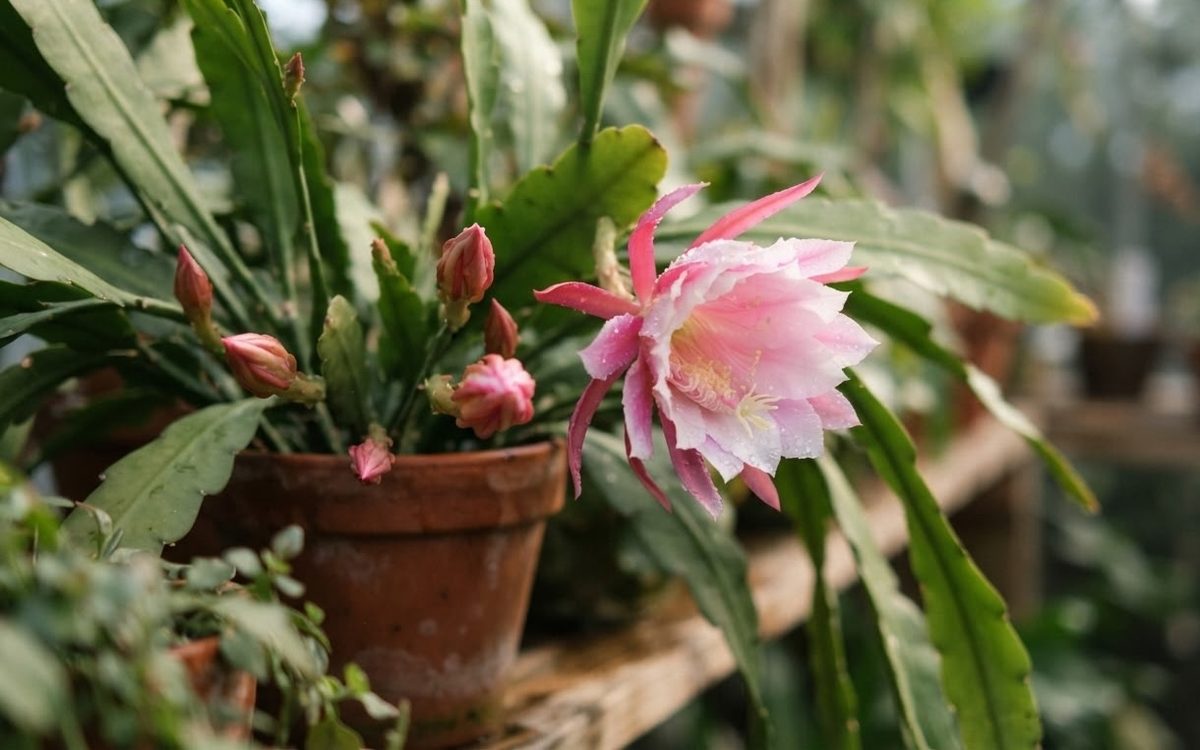
It depends heavily on which type you have, and this is where orchid cactus earns its reputation. Epiphyllum oxypetalum — often called “queen of the night” — produces fragrant white flowers up to 12 inches long with 25 to 30 petals, and the bloom opens after dark and withers by the next morning. One night, and it’s over.
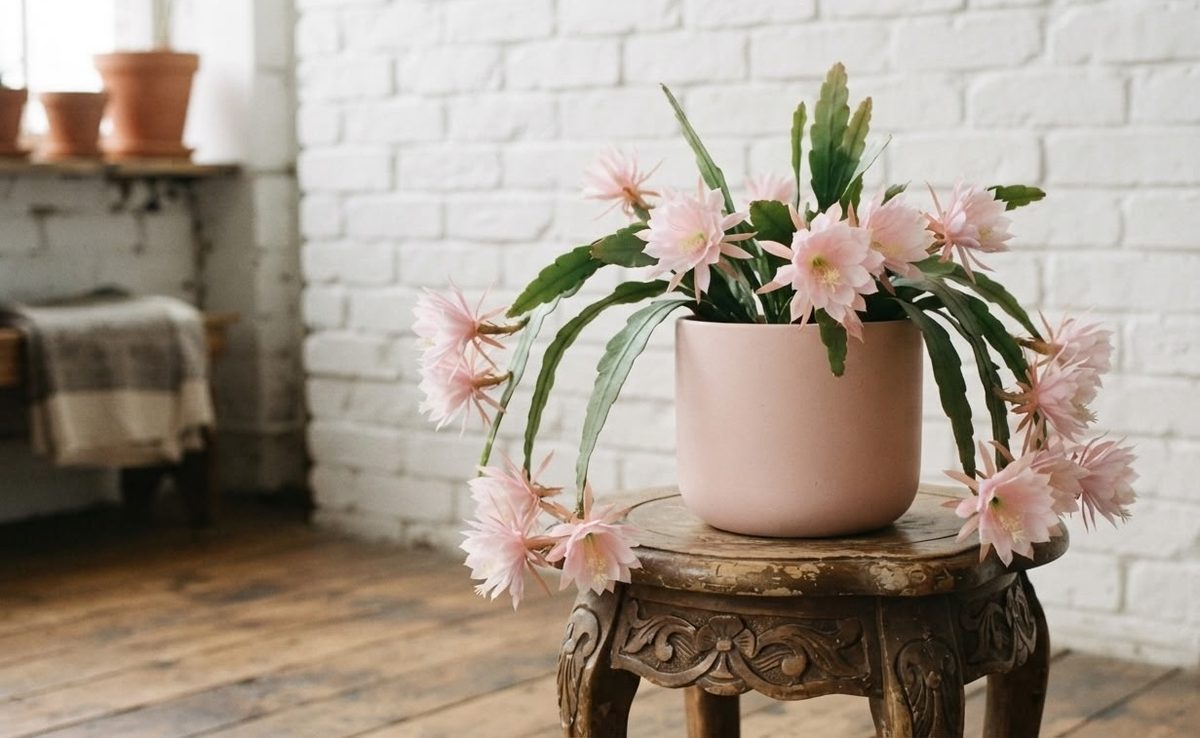
Not every orchid cactus is this fleeting, though. Day-flowering types typically bloom April through June, while night-blooming types like E. oxypetalum tend to flower in late summer or early fall — so the “one spectacular night” story applies specifically to certain species, not the whole genus.
What Light Does Orchid Cactus Need?
Bright, indirect light, with protection from harsh direct afternoon sun. Because it evolved growing under a forest canopy rather than in open desert, direct midday sun will scorch the stems rather than help the plant thrive the way it would a true desert cactus.

How Often Should You Water Orchid Cactus?
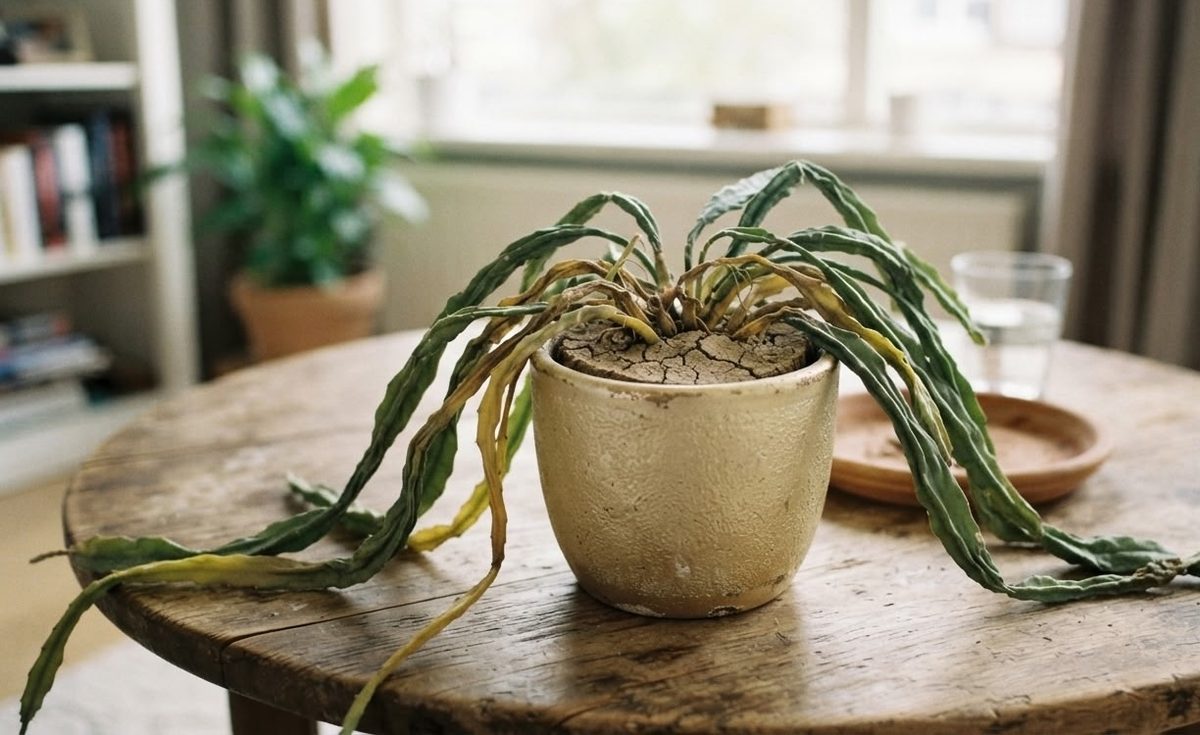
Regularly through spring and summer, letting just the top of the soil dry out between waterings — not the deep, thorough drying a desert cactus needs. This is the single biggest care mistake with orchid cactus: treating it like a succulent and letting it go bone-dry for weeks causes stress it isn’t built for. Cut back sharply on watering in fall and winter as growth slows.
What Does Overwatering Look Like?
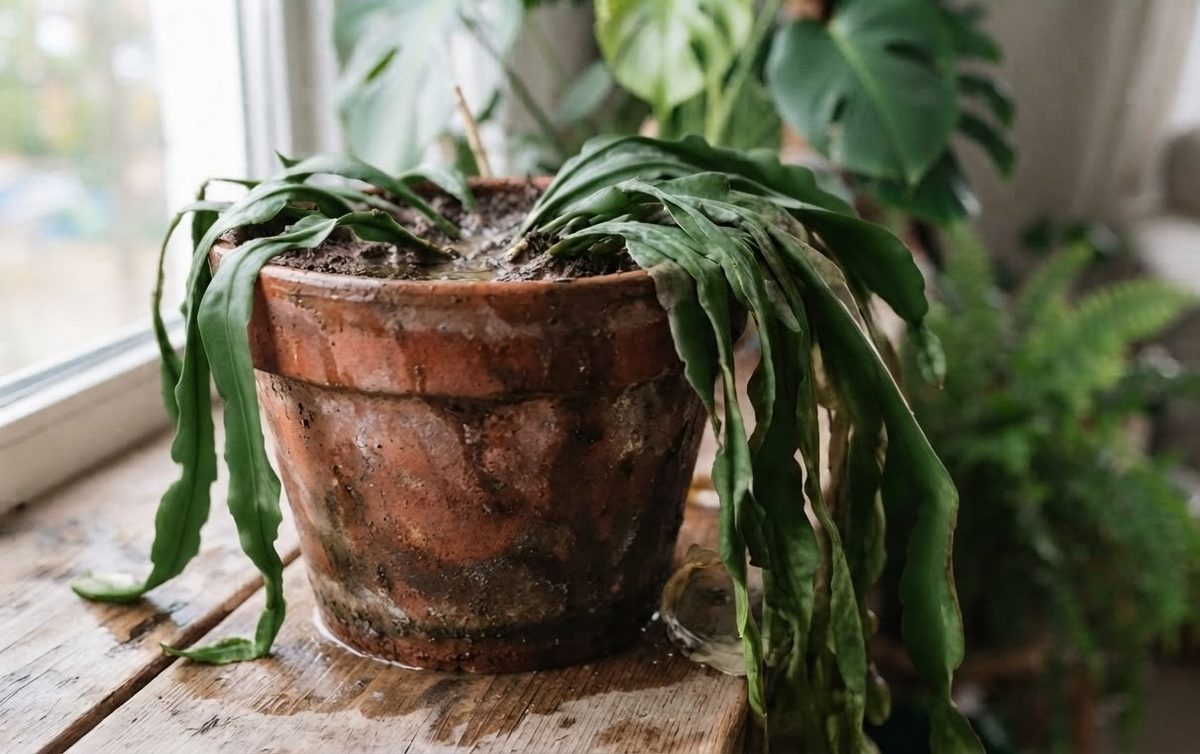
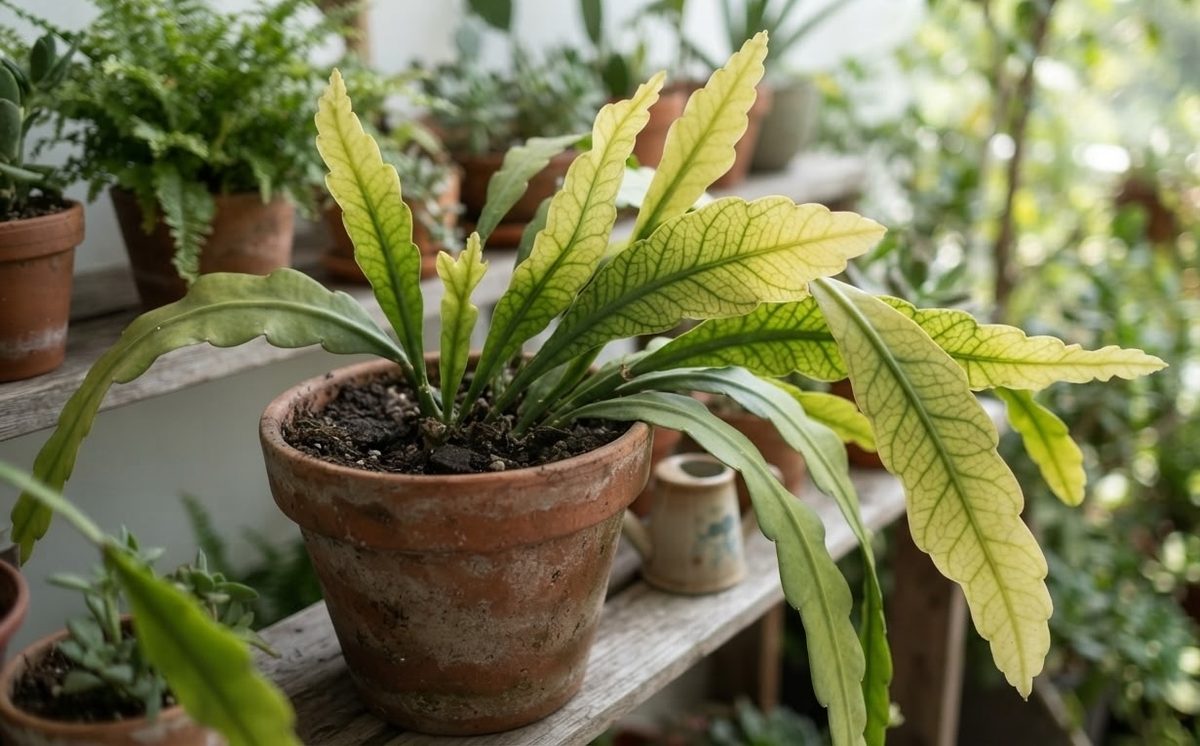
Yellowing, soft or mushy stems (especially at the base), a sour smell, and eventually root rot. Poor air circulation combined with excess moisture can also bring on powdery mildew. If you catch mushy tissue early, cut it away and let the plant dry out before resuming a normal watering schedule.
What Soil Does Orchid Cactus Need?
Well-drained but organic-rich — this is not the sandy, mineral-heavy mix a desert cactus wants. Extension guidance suggests a blend along the lines of two parts peat moss to one part garden soil to one part sand. Many growers get similar results cutting a standard cactus mix with orchid bark or extra perlite, which adds the organic matter and aeration this epiphytic plant is used to from its tree-bark origins — though that specific blend is grower practice rather than something extension sources spell out directly.
What Temperature and Humidity Does It Need?
A comfortable range of 50-80°F (10-27°C) covers most of the year, though it has no frost tolerance. Cooler winter nights — around 40-50°F — actually help, since that temperature drop is one of the conditions extension sources associate with bud set the following season. Humidity-wise, orchid cactus does best in higher humidity but tolerates average indoor air reasonably well, unlike some of the more humidity-demanding rainforest epiphytes.
How Do You Get Orchid Cactus to Bloom?
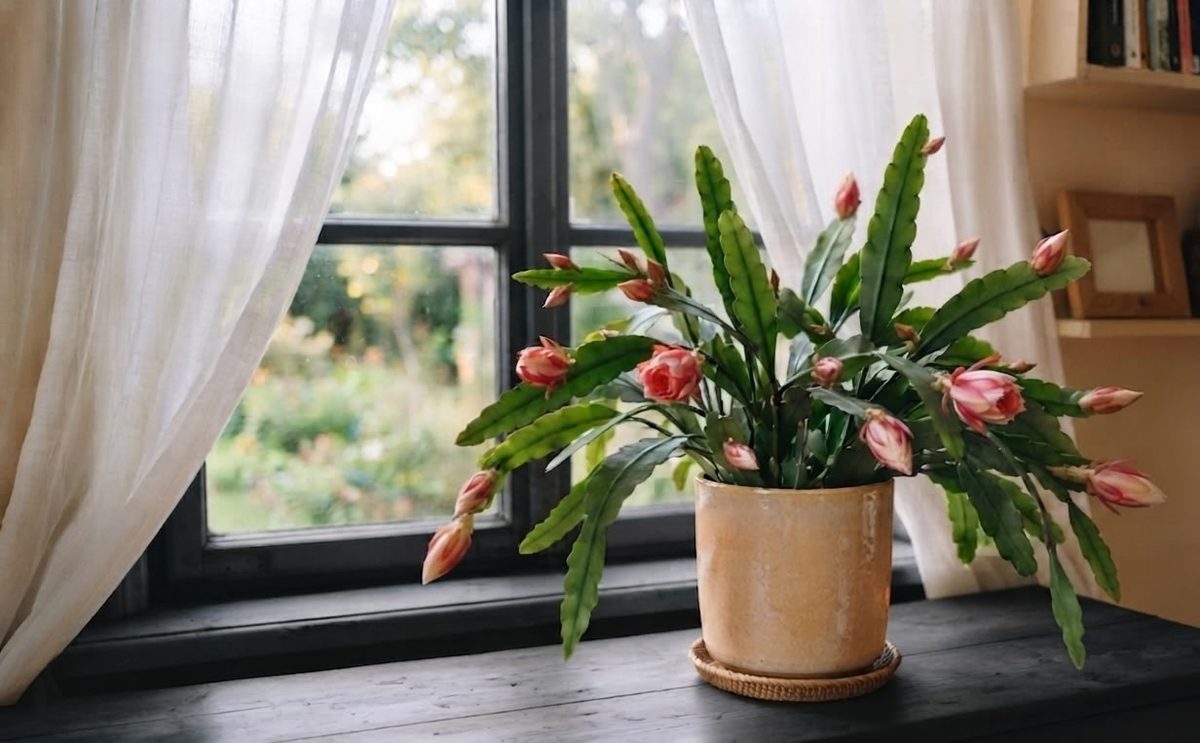
A few conditions line up when this plant flowers reliably: it needs to be mature (typically 2-3 years old), slightly root-bound rather than freshly repotted, given cool nights in winter, and fed a monthly balanced fertilizer through the growing season — switched to a low-nitrogen formula in late February and again in early November, with feeding skipped entirely in December and January.
Grower experience (not something extension sources quantify precisely) points to an 8-10 week cool, drier dormancy period around 50-65°F as the trigger that sets buds — similar logic to how many flowering succulents need a rest period to bloom well.
Why Won’t My Orchid Cactus Bloom?
The most commonly cited reasons: not enough light, no winter temperature drop, watering stress in either direction, too much nitrogen fertilizer pushing leafy growth instead of flowers, or a plant that’s still too young or was recently repotted into a pot with too much room to fill first.
How to Propagate Orchid Cactus
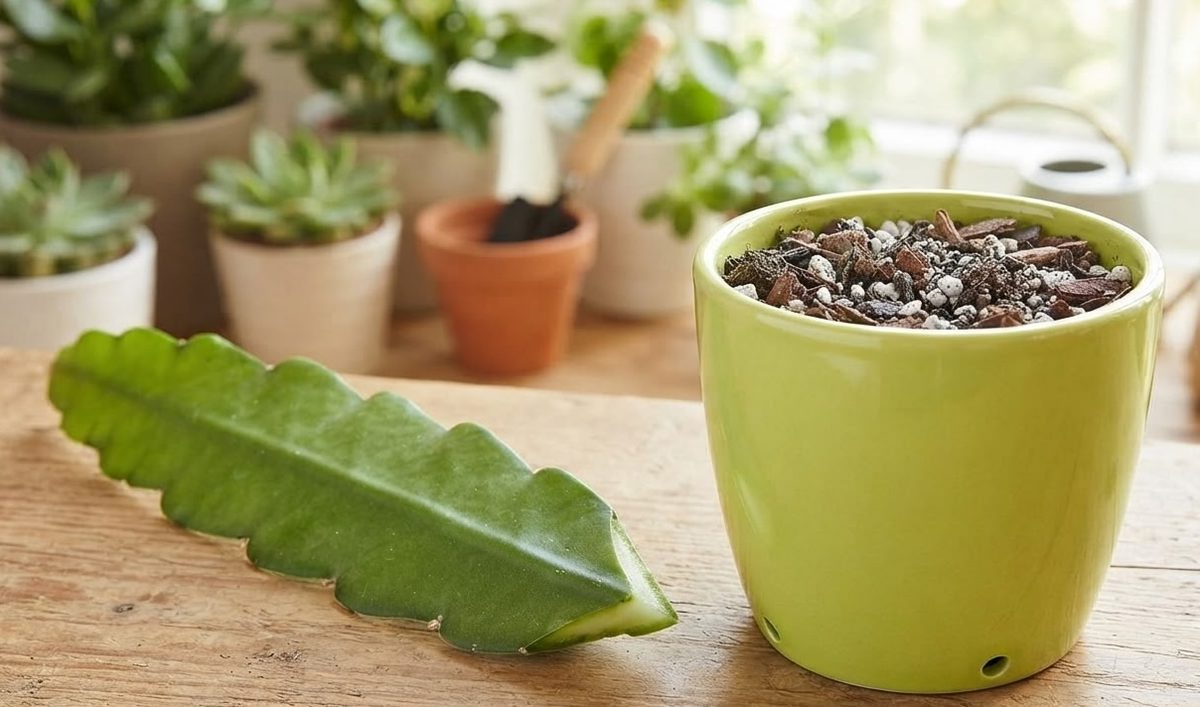
Take a stem or pad cutting 6-8 inches long from a healthy, mature stem. Let the cut end callus over for one to two weeks in a dry, shaded spot before planting — this is standard cactus-family practice that prevents the cut surface from rotting once it’s in soil. Plant the callused end in a well-draining mix and keep it barely moist until roots establish.
Is Orchid Cactus Toxic to Cats and Dogs?
There’s no clear answer from the ASPCA specifically for Epiphyllum — it does not appear anywhere in the ASPCA’s toxic or non-toxic plant database, so there’s no official classification either way for this genus.
For context, several related cacti do have ASPCA listings: Christmas cactus (Schlumbergera bridgesii) and Easter lily cactus (Echinopsis multiplex) are both listed as non-toxic to dogs, cats, and horses. That’s useful context, not a substitute for a real answer about Epiphyllum itself — since it has no official entry, the safest approach is to keep it out of reach of pets and check with a vet or poison control if a cat or dog does chew on it, rather than assuming safety based on its relatives.
What Pests Attack Orchid Cactus?
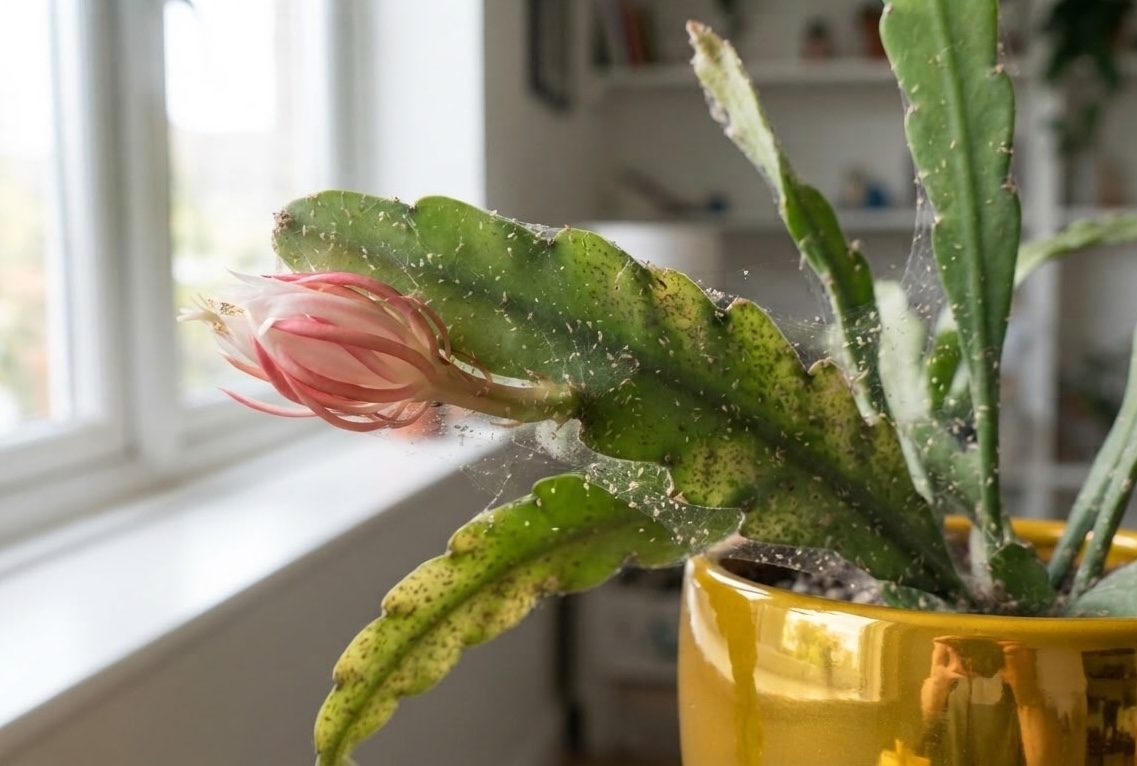
Mealybugs, spider mites, and scale insects are the ones extension sources flag for this plant.

Mealybugs
Small white cottony clusters, usually tucked into stem joints. Dab colonies with rubbing alcohol on a cotton swab, then treat more widespread infestations with insecticidal soap or neem oil.
Spider Mites
Fine webbing and stippled discoloration on the stems, more likely in dry conditions. Rinse the plant and follow with insecticidal soap or neem oil.
Scale
Small, immobile brown bumps along the stems. Scrape off by hand and follow up with neem oil for any missed insects.
Common Mistakes With Orchid Cactus
Watering it like a desert cactus. This is the single most common way people struggle with orchid cactus. Letting the soil go fully dry for extended periods, the way you would with a barrel cactus, causes more stress than it prevents — this plant wants regular moisture during the growing season.
Giving it full desert sun. Because it’s labeled “cactus,” it often ends up on the sunniest windowsill in the house. Its epiphytic, forest-canopy origins mean it actually prefers bright indirect light and can scorch in harsh direct sun.
Repotting a plant you want to bloom. Orchid cactus flowers better when slightly root-bound. A fresh repot into a much larger pot delays flowering while the plant focuses on filling the new space with roots instead.
Skipping the winter temperature drop. Keeping the plant in uniformly warm conditions year-round removes one of the main triggers associated with reliable blooming — a cooler winter rest isn’t optional if flowers are the goal.
Frequently Asked Questions
Is orchid cactus the same as Christmas cactus?
No — different genera entirely (Epiphyllum/Disocactus vs. Schlumbergera), though both are epiphytic, jungle-dwelling cacti with similar humidity and watering preferences. Christmas cactus has an ASPCA non-toxic listing; orchid cactus does not have an official ASPCA entry either way.
How often does orchid cactus bloom?
Typically once a year, seasonally — day-flowering types around April through June, night-blooming types like Epiphyllum oxypetalum in late summer or early fall — assuming the plant is mature, slightly root-bound, and has had a cool winter rest.
Why are my orchid cactus leaves wrinkling?
Wrinkled, limp stems point to underwatering. Unlike a true desert cactus, this plant doesn’t store enough water to shrug off extended dry spells, so it needs more consistent moisture through the growing season.
Can orchid cactus grow outdoors?
In frost-free climates, yes, often as a hanging or mounted specimen mimicking its natural tree-dwelling habit. It has no cold tolerance, so anywhere with winter frost means bringing it indoors before temperatures drop.