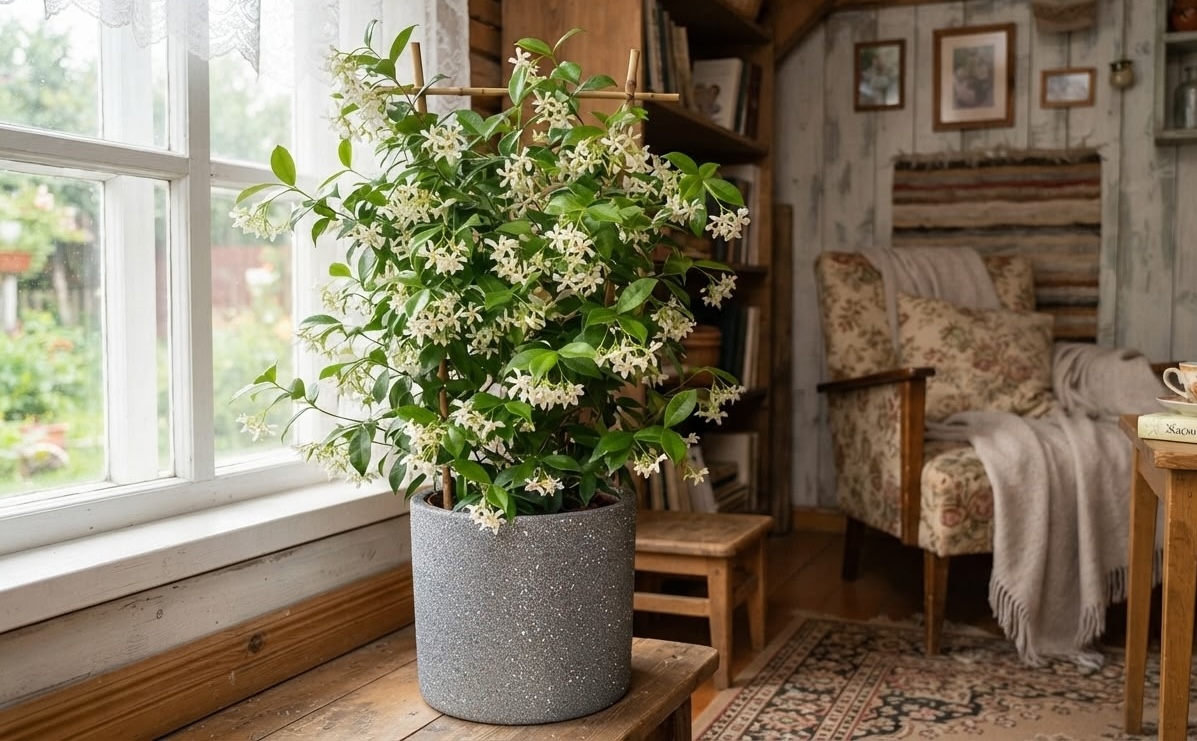
Star jasmine isn’t a true jasmine at all — Trachelospermum jasminoides belongs to the dogbane family (Apocynaceae), not the genus Jasminum. It just borrowed the name for its similarly fragrant, star-shaped white flowers. That distinction matters beyond botany trivia: star jasmine tolerates more sun and less water than true jasmine species, and — critically — it’s sometimes confused by name with a genuinely dangerous plant. More on that below.
| Star Jasmine Quick Care Summary | |
|---|---|
| Light | Full sun (8+ hours) for best blooming; tolerates partial shade with fewer flowers |
| Water | Deep but infrequent once established; moderately drought-tolerant |
| Soil | Well-draining, neutral pH 6.0-7.0; alkaline soil locks up iron |
| Growth habit | Twining vine to 20 ft with support; groundcover shrub 1.5-2 ft tall without |
| Fertilizer | Slow-release, general-purpose, 2-3 times in year one; once yearly after |
Is Star Jasmine the Same as Confederate Jasmine?
Usually yes, but this name overlap is worth understanding before you buy anything labeled “Confederate jasmine.” Confederate jasmine is simply the older common name for star jasmine — both refer to Trachelospermum jasminoides, the same fragrant, non-toxic vine covered in this guide.
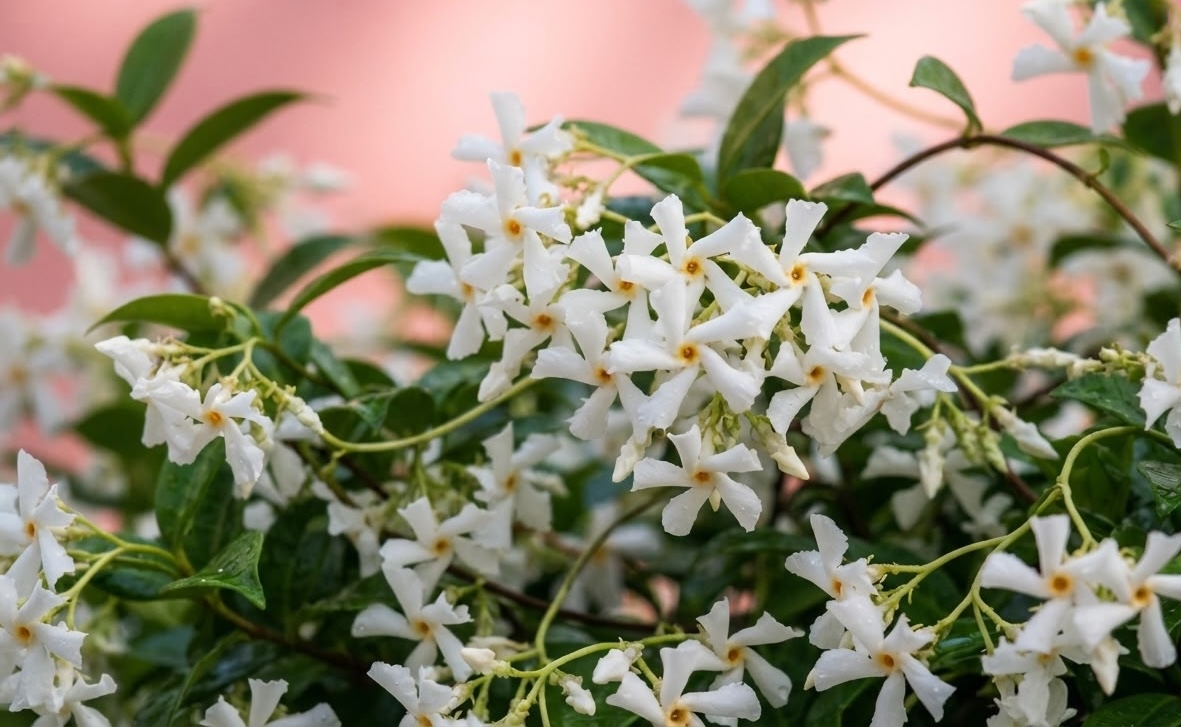
The confusion that matters: Gelsemium sempervirens (Carolina jessamine) is sometimes also called “Confederate jasmine” or “yellow jessamine” in some regions, and it is a completely different, highly toxic plant containing potent neurotoxins — it belongs to the Gelsemiaceae family, unrelated to true star jasmine. If you’re buying a plant by common name alone and pets or children have access to your garden, confirm the botanical name is Trachelospermum jasminoides before assuming it’s the safe one.
What Light Does Star Jasmine Need?
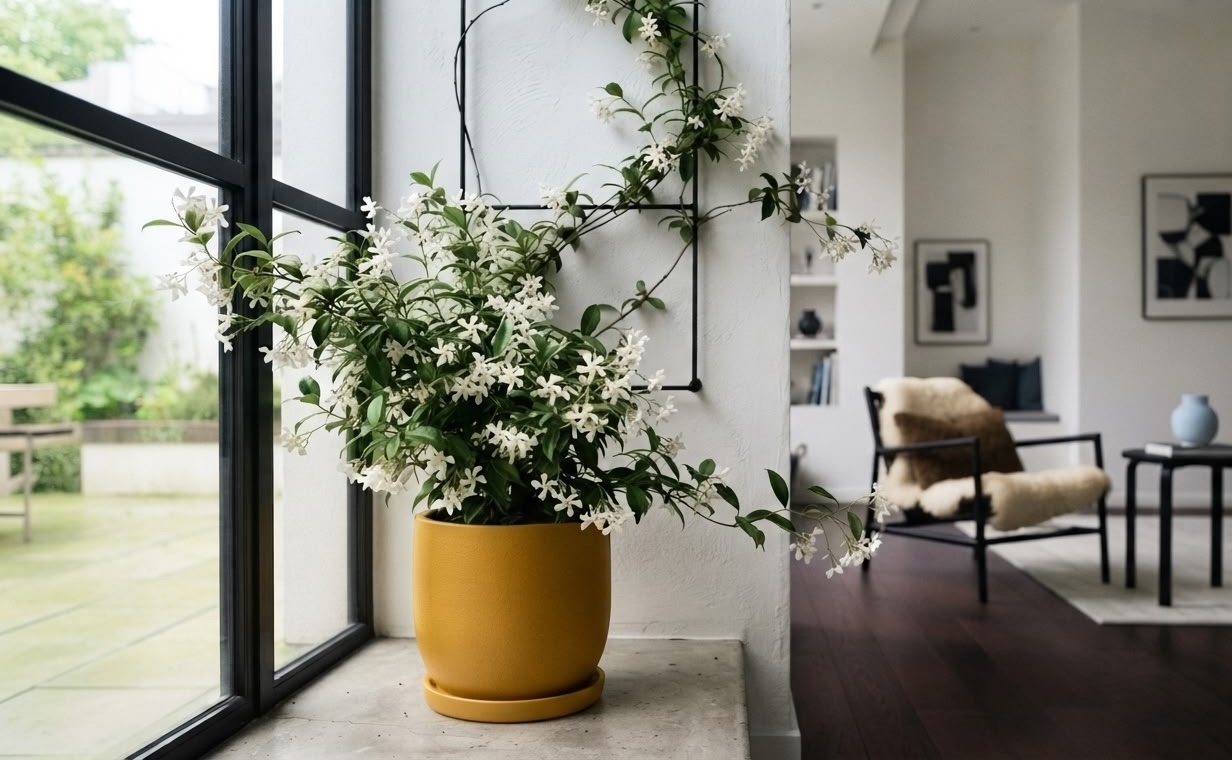
Full sun — at least 8 hours daily for the most abundant blooms. Star jasmine flowers only on new growth produced in full to partial sun; in deep shade, the plant redirects energy into leafy growth instead of flowers, so a vine that’s healthy but sparse-blooming is very often simply planted too shady. It will tolerate partial shade and can even be grown as a groundcover in those conditions, but expect a noticeably lighter bloom.
How Often Should You Water Star Jasmine?
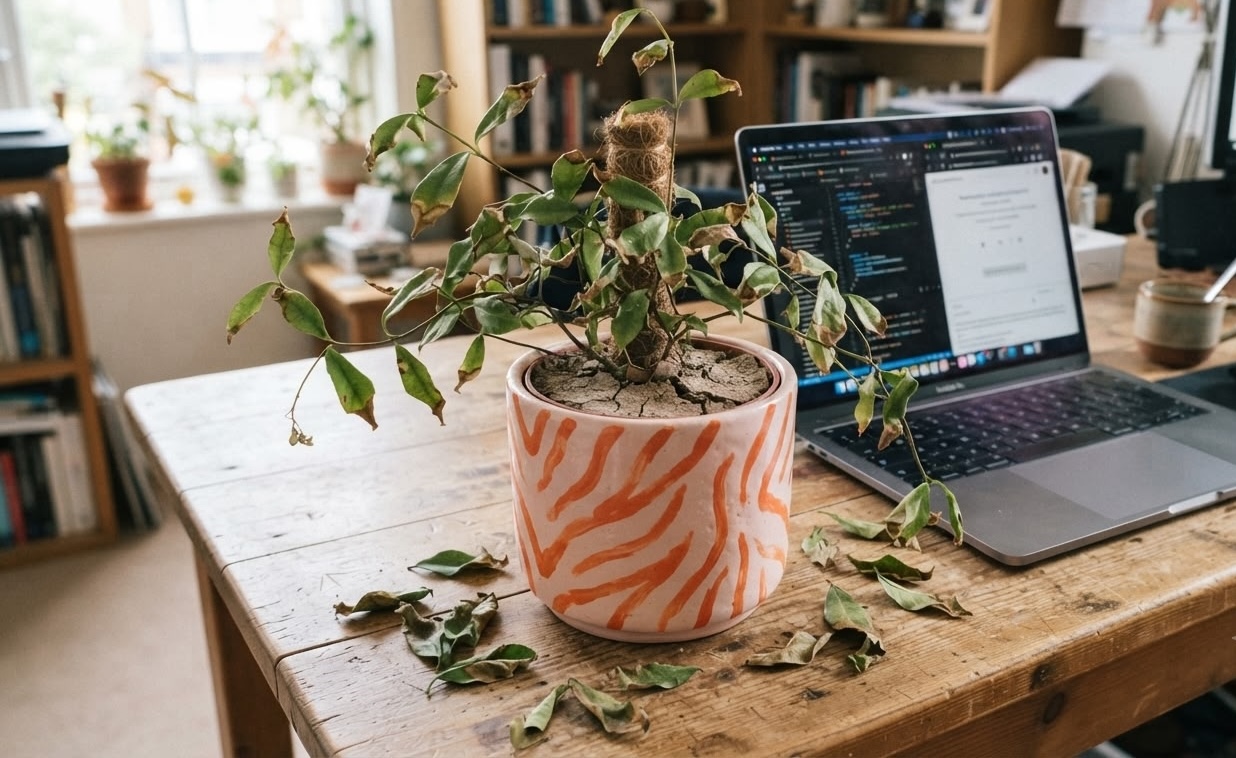
Water when the top inch of soil is dry, then let it dry out somewhat between waterings — once established, star jasmine is moderately drought-tolerant and prefers deep, infrequent watering over frequent shallow watering. This is one of the clearest differences from true jasmine species, which generally want more consistent moisture. Overwatering here does more harm than a missed watering: yellow leaves combined with wet soil and limp growth point to overwatering or root stress, not a nutrient problem.
Why Are My Star Jasmine Leaves Turning Yellow?
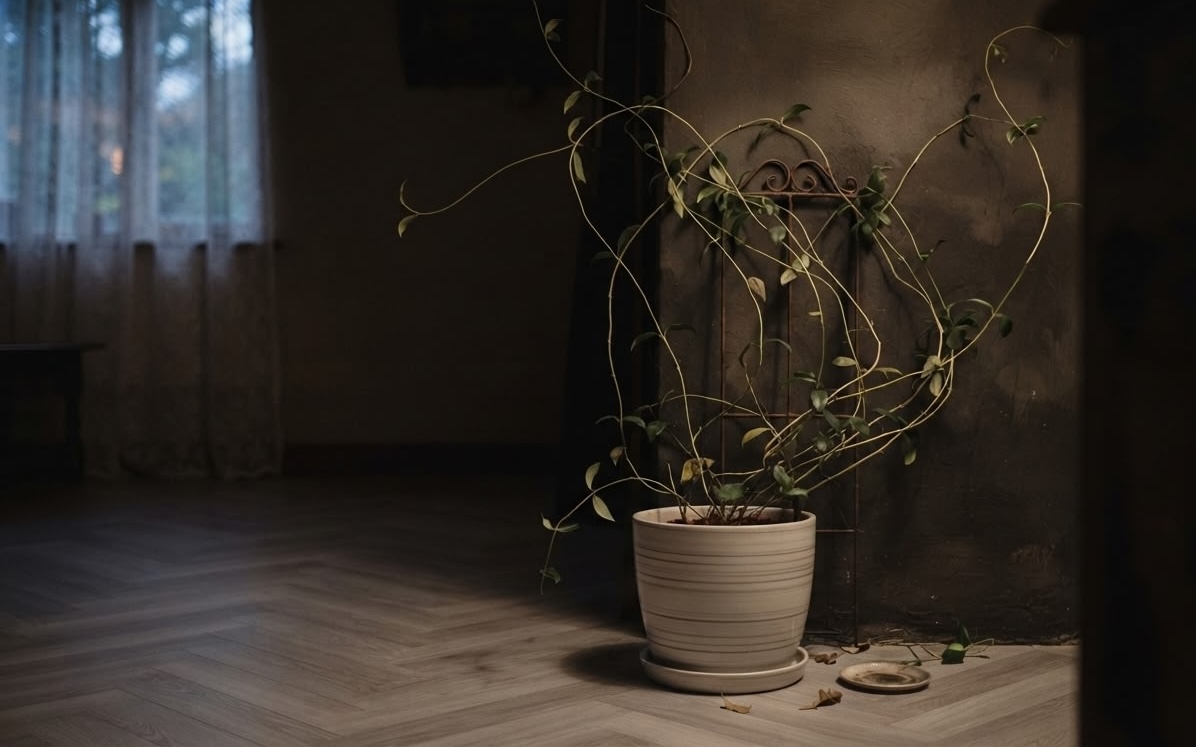
Two different watering problems produce yellow leaves with different accompanying signs, so check soil moisture before treating either as a nutrient issue. Yellow leaves with bone-dry soil and crisp, curling edges point to underwatering or drought stress. Yellow leaves with consistently wet soil and limp, soft growth point the opposite direction — overwatering or early root rot. A third cause is chemical rather than a watering mistake: star jasmine needs iron to produce chlorophyll, and in alkaline soil, iron becomes chemically locked out of reach of the roots, turning leaves yellow while the veins stay green (iron chlorosis) even when soil moisture is correct.
What Soil Does Star Jasmine Need?
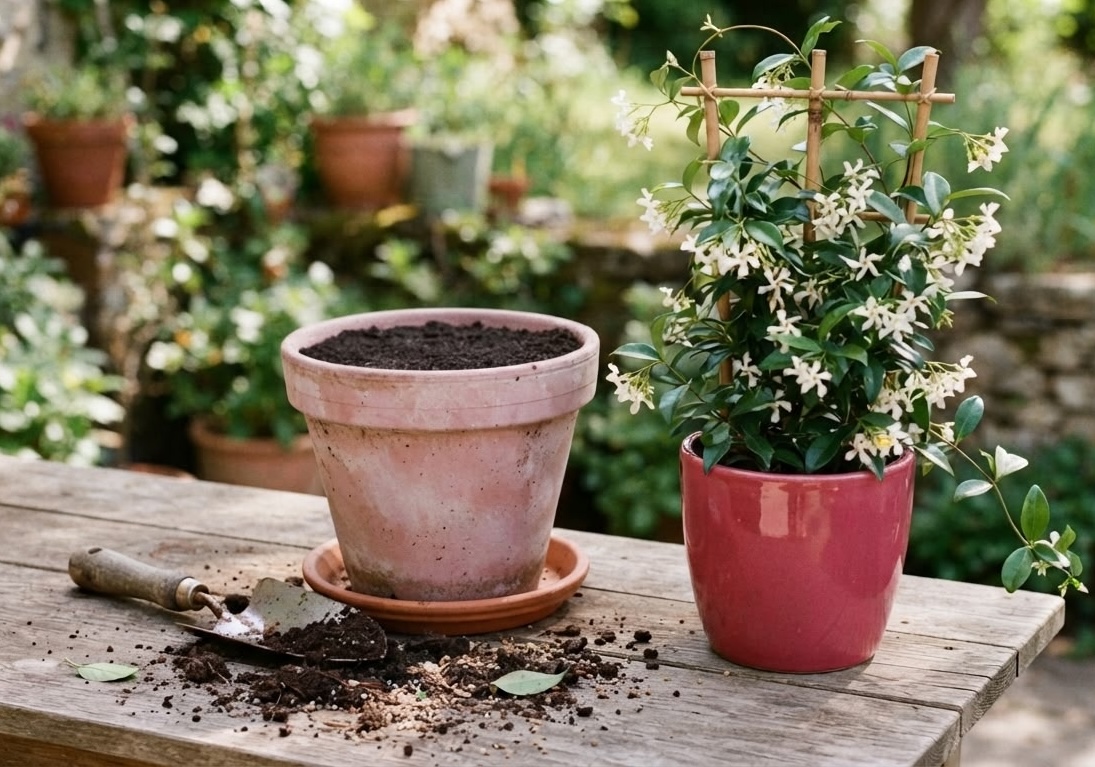
Moderately moist, well-draining soil with a neutral pH around 6.0-7.0. Because alkaline soil above this range locks up iron and can trigger the chlorosis described above, a soil pH test is worth doing before assuming a yellowing plant needs more fertilizer or water — in alkaline soil, adding more of either won’t fix an iron availability problem.
How to Prune Star Jasmine
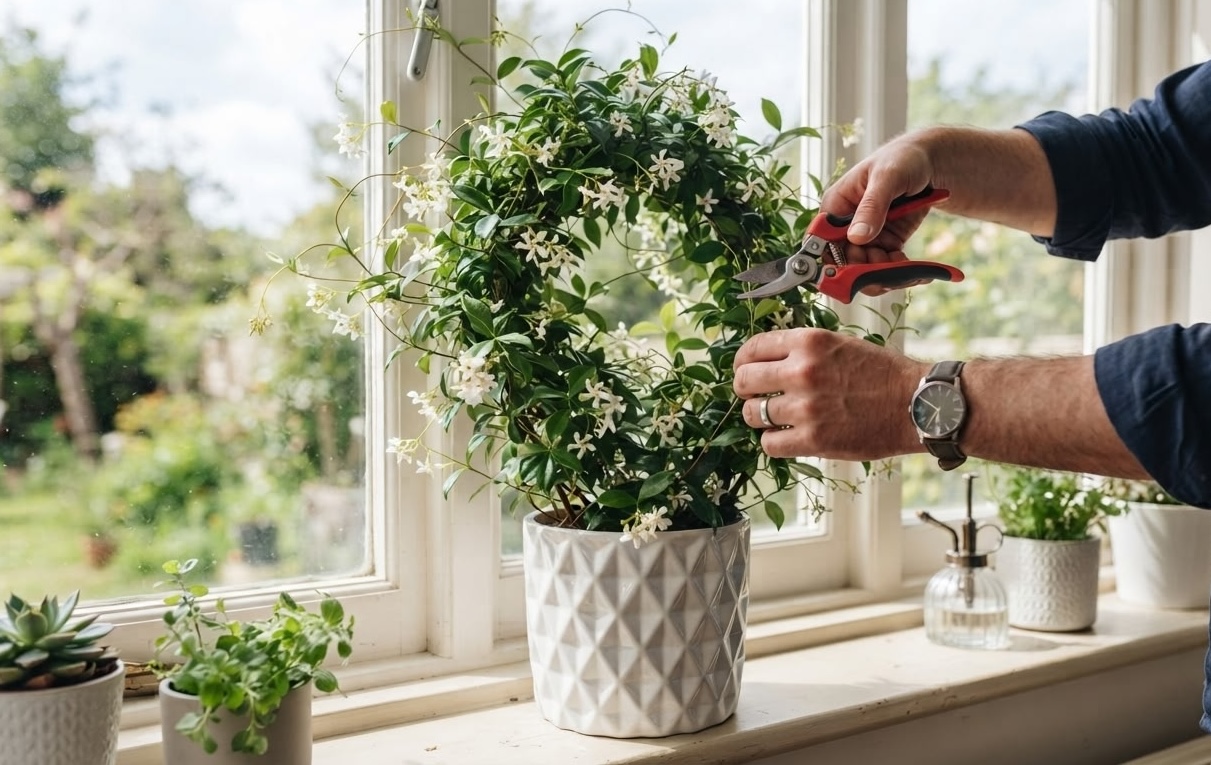
Prune lightly after flowering to control size and shape, removing dead or damaged growth and trimming back excess growth to keep it in bounds. The key fact to know before cutting anything back hard: star jasmine flowers only on new wood that is no more than one year old, so aggressive pruning at the wrong time removes the exact growth that would have flowered next. Beyond shaping, this plant needs little maintenance — most of its care is really about not over-managing it.
Why Won’t My Star Jasmine Bloom?
Poor flowering in star jasmine usually traces back to one of five causes: insufficient light, wrong pruning timing, nutrient imbalance, plant immaturity, or winter damage. Phosphorus and potassium play an outsized role in bloom production specifically, so a fertilizer heavy in nitrogen (which favors leaf growth) but light on these two can produce a lush, leafy, flower-poor vine even with adequate sun. Young plants also simply need time — a newly planted star jasmine may take a full growing season or two to establish enough mature wood to flower well.
Is Star Jasmine Toxic to Cats and Dogs?
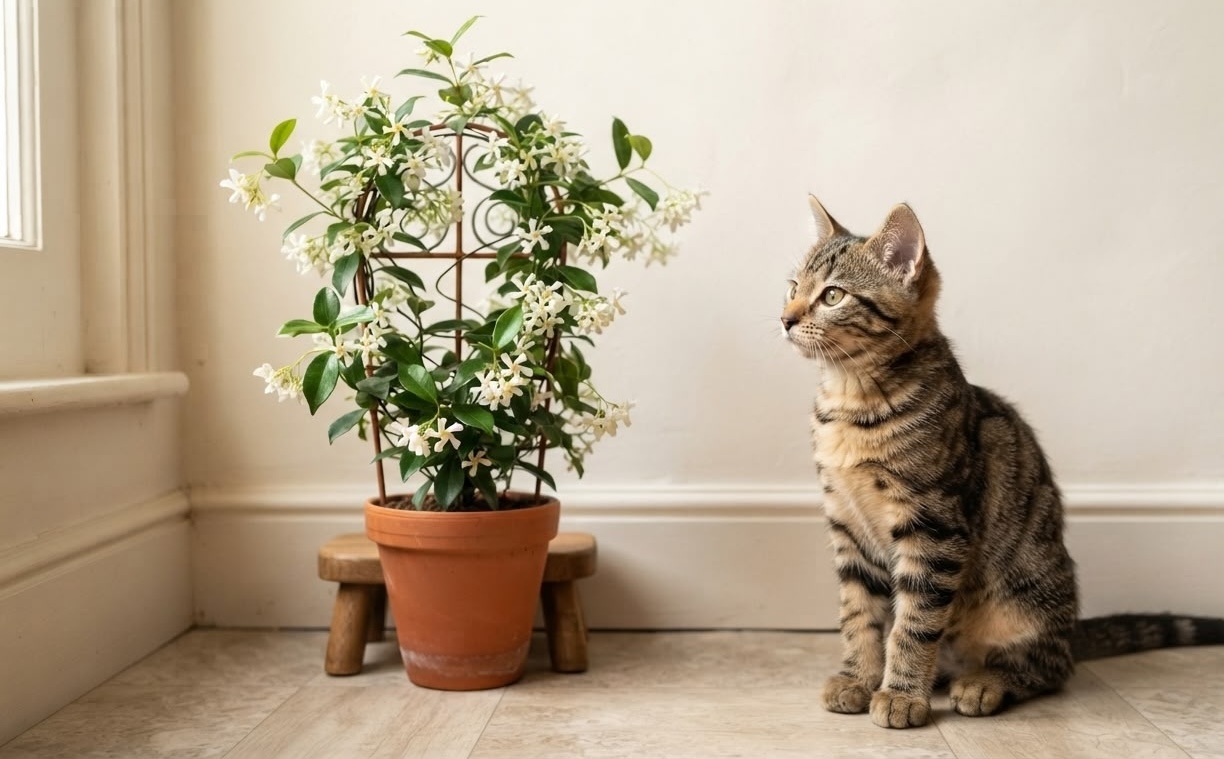
No — the ASPCA lists Trachelospermum jasminoides (star jasmine, and its older name Confederate jasmine) as non-toxic to both dogs and cats. As with any non-toxic plant, ingesting a large amount can still cause mild digestive upset. This non-toxic status applies specifically to true star jasmine — it does not extend to Gelsemium sempervirens, the unrelated and genuinely toxic plant sometimes sharing the “Confederate jasmine” name discussed above.
Common Mistakes With Star Jasmine
Assuming any plant called “Confederate jasmine” is safe. Confirm the botanical name is Trachelospermum jasminoides rather than relying on the common name alone, especially around pets.
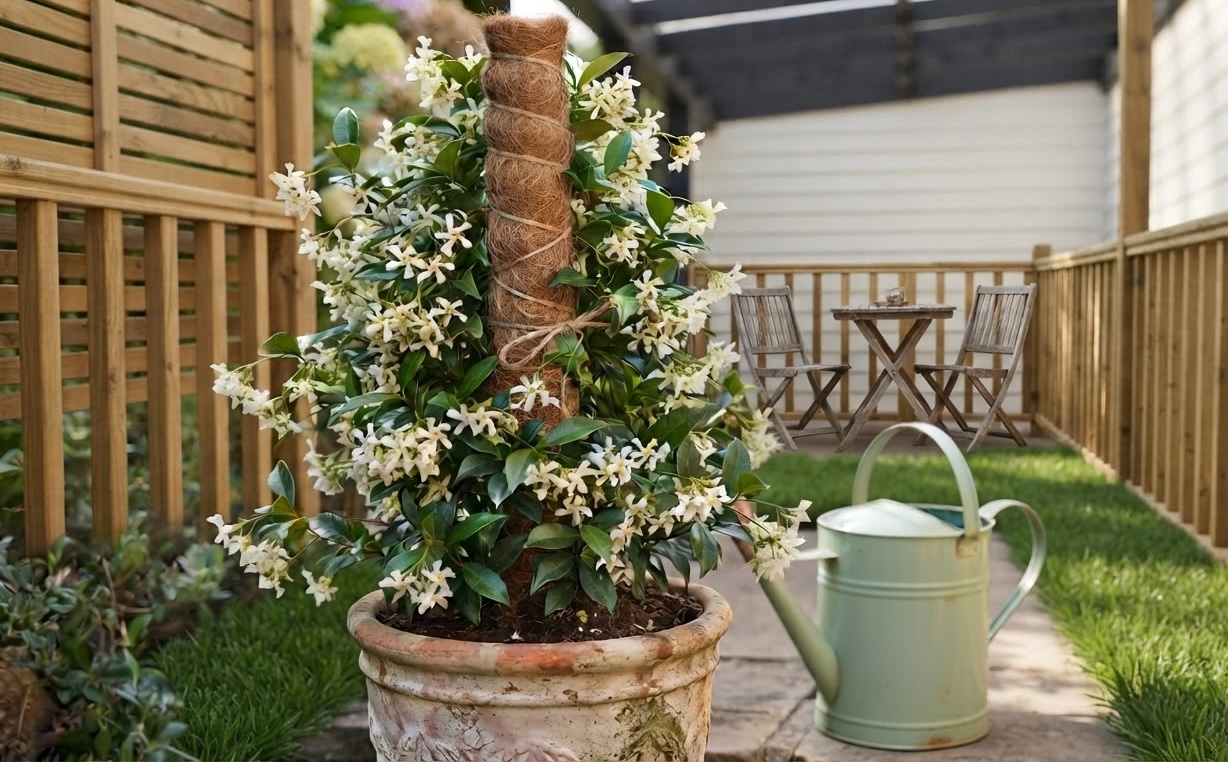
Watering on a fixed schedule instead of checking soil moisture. Because this species prefers to dry out between waterings, a schedule built for true jasmine or other houseplants will overwater star jasmine and invite root problems.
Treating yellow leaves as a fertilizer problem by default. Iron chlorosis from alkaline soil, overwatering, and underwatering all produce yellow leaves through completely different mechanisms — feeding a plant with a watering or pH problem doesn’t address the actual cause.
What Doesn’t Work
Adding more fertilizer does not fix yellow leaves caused by alkaline soil locking up iron — the iron may already be present in the soil, just chemically unavailable, so a pH correction or chelated iron treatment addresses this while more general fertilizer does not. Similarly, pruning hard to “encourage more blooms” backfires on this species, since it removes the one-year-old wood the plant would have flowered on.
Frequently Asked Questions
Is star jasmine the same as true jasmine?
No. Star jasmine (Trachelospermum jasminoides) belongs to the dogbane family, not the genus Jasminum that contains true jasmine species. It shares a common name and similar fragrant flowers but is botanically unrelated.
How fast does star jasmine grow?
As a supported, twining vine it can reach up to 20 feet, growing at a moderate pace once established. Without support and with tip-pinching, it stays a spreading groundcover shrub around 1.5-2 feet tall and 4-5 feet wide.
Can star jasmine grow in shade?
It tolerates partial shade and can be grown as a groundcover in those conditions, but flowering drops off noticeably compared to a full-sun planting.
Is Confederate jasmine toxic?
If it’s genuinely Trachelospermum jasminoides, no — it’s non-toxic to cats and dogs. But some plants are also called “Confederate jasmine” while actually being Gelsemium sempervirens, which is highly toxic. Confirm the botanical name if toxicity matters for your situation.