Getting the fertilizer right makes a bigger difference to a lemon tree than most people expect. A tree that’s been running on the wrong formula — or no formula at all — will look fine for months while quietly underperforming. The turnaround when you switch to a proper citrus fertilizer is usually visible within a few weeks: darker leaves, faster new growth, and eventually more reliable flowering.
This guide covers the best lemon tree fertilizer options, which NPK ratios actually work, how often to apply, and what changes for container trees and Meyer lemons specifically.

What Lemon Trees Actually Need From Fertilizer
Lemon trees have two specific requirements that set them apart from most garden plants: high nitrogen demand for pushing out all that leafy growth, and a need for micronutrients — iron, manganese, and zinc especially — that standard fertilizers don’t include.
That second point is why general-purpose fertilizers like 10-10-10 fall short for citrus. The NPK numbers might look reasonable, but without those trace elements, lemon trees develop deficiencies that look identical to nitrogen or magnesium problems. You end up chasing yellowing leaves with the wrong products.
Which NPK Ratio Works Best for Lemon Trees?
Look for a fertilizer where nitrogen is the dominant number — something like 12-4-8 or 6-3-3. Lemon trees are in active vegetative growth for most of the year, and nitrogen is what drives that. Phosphorus should be low relative to nitrogen; lemon trees don’t need much of it, and excess phosphorus can lock out the micronutrients they do need.
| Growth Stage | What to Use | Why |
|---|---|---|
| Spring – vegetative growth | High-N citrus formula (e.g. 12-4-8) | Drives new leaf and branch growth |
| Flowering / fruit set | Lower N, higher K (e.g. 6-6-12) | Nitrogen at this stage pushes leaves over fruit |
| Container trees year-round | Liquid citrus formula at half-strength | Easier to control; avoids salt buildup |
| Young trees (under 1 year) | Quarter-strength of adult dose | New roots can’t handle full applications |
Best Fertilizer for Lemon Trees
Best Granular Citrus Fertilizer
For outdoor in-ground lemon trees, a slow-release granular formula labeled specifically for citrus is the most practical option. It feeds consistently over 2–3 months without requiring you to remember monthly applications. Look for products that list iron, manganese, and zinc in the micronutrient section — not just NPK.
Espoma Citrus-tone (5-2-6) is a widely available organic option with a reasonable potassium level and the micronutrients citrus needs. It’s not the highest-nitrogen formula on the market, but it’s forgiving and won’t burn roots if you apply a bit generously.
Best Liquid Citrus Fertilizer
For container trees and Meyer lemons, liquid fertilizers give you more control. You can adjust the dose based on how the tree looks, switch ratios at flowering, and avoid the salt buildup that granular fertilizers can cause in pots over time.
A 2:1:1 or 3:1:2 NPK liquid formula is the standard recommendation from university extension programs for container citrus. Mix to half the label strength for container trees and apply at every other watering during the growing season. For a full lemon tree care overview including watering and soil, see our lemon tree care guide.
Can You Use Citrus Fertilizer for Other Plants?
Yes — citrus fertilizer works well for any acid-loving plant that needs iron and manganese: gardenias, azaleas, blueberries. The elevated micronutrient profile that makes it good for lemons makes it useful for this whole group of plants.
How Often Should You Fertilize a Lemon Tree?
Fertilizing Schedule by Season
| Month | Action |
|---|---|
| February – March | First application of the year — granular at full dose or liquid at full strength |
| April – August | Monthly granular, or liquid at every other watering |
| September | Last full-strength application |
| October – November | Reduce to half-strength or skip entirely |
| December – January | No fertilizer for trees that slow down or go semi-dormant |
One thing that trips people up: lemon trees in warm climates (Florida, Southern California, Hawaii) don’t always go dormant in winter. If your tree is still actively growing in December, you can continue at reduced rates year-round. If it slows down and drops some leaves, stop and wait for spring.
Young Trees vs. Established Trees
Don’t rush fertilizing a newly planted tree. In the first few months, the root system is getting established — hit it with full-strength fertilizer and you risk burning roots before they’re ready. Start at quarter-strength for the first 3–4 months, then step up to half-strength, then full after the first year.
I made the mistake of fertilizing an Improved Meyer at full dose two weeks after planting and spent the rest of the summer nursing it back. The roots just aren’t ready for it. Patience here pays off.
How to Fertilize a Lemon Tree in a Pot
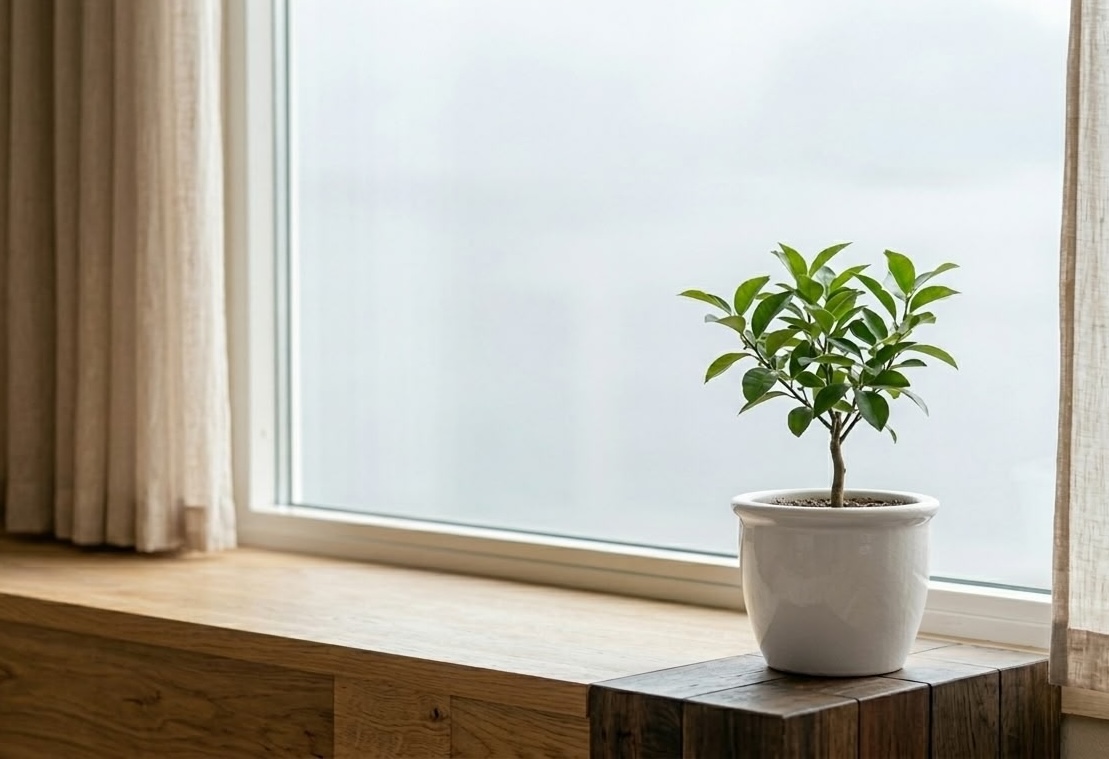
Container lemon trees need fertilizing more frequently than in-ground trees — not because they need more nutrients, but because regular watering flushes nutrients out of the pot faster than rain does in a garden bed. A tree in the ground has access to a continuous reservoir; a tree in a 15-gallon pot has whatever you last put in it.
Use liquid fertilizer for container trees whenever possible. It distributes evenly, doesn’t accumulate salt the way granular products can, and lets you adjust dose precisely. Apply at half the label’s recommended strength every two to three weeks during the growing season.
Every 6–8 weeks, water the pot heavily — flush it with 3–4 times the pot’s volume — to clear out any salt buildup from accumulated fertilizer. Salt buildup causes leaf tip burn and eventually stops the tree from absorbing nutrients properly even when you’re fertilizing on schedule.
Fertilizing Meyer Lemon Trees: What’s Different
Meyer lemons respond to fertilizer the same way as other lemon varieties in terms of NPK and timing — but they’re more sensitive to over-fertilizing than Eureka or Lisbon. A Meyer that gets too much nitrogen puts out a lot of vegetative growth and can be slow to flower, even in good conditions. Err on the lower end of the dose range, especially in the first few years.
The other Meyer-specific consideration: they fruit nearly year-round in good conditions, which means there’s almost always some stage of flowering or fruiting happening. This makes the nitrogen-at-bloom mistake easier to fall into. Get in the habit of checking for flowers before every fertilizer application — if buds are forming, hold back the nitrogen and switch to the lower-N higher-K formula.
Organic Fertilizer Options for Lemon Trees
Fish Emulsion
Fast-acting and high in nitrogen — useful for pushing growth in spring or correcting a nitrogen deficiency quickly. The smell on application day is noticeable. Fish emulsion is typically around 5-1-1 NPK, which makes it a good spring-season option but not a complete fertilizer on its own — you’ll still need the micronutrients from a citrus-specific product.
Worm Castings
Low NPK, variable content depending on the source, but excellent for soil structure and microbial activity. Works best mixed into the potting soil at planting or used as a top dressing. Don’t rely on it as a primary fertilizer — treat it as a soil amendment that makes other fertilizers work better.
Citrus-Specific Organic Granulars
Several brands make organic granular formulas specifically for citrus — these are the best of both worlds. They include the micronutrients, release slowly, and don’t carry the burn risk of synthetic fertilizers. The tradeoff is cost and slower response time compared to synthetic products.
Signs Your Lemon Tree Needs More Fertilizer — and Signs It’s Getting Too Much
| What You See | Likely Cause | Fix |
|---|---|---|
| Pale or yellowing older leaves; slow growth | Nitrogen deficiency | Apply high-N citrus fertilizer |
| New leaves yellow, veins stay green | Iron deficiency (often pH-related) | Test soil pH; use chelated iron or lower pH |
| Yellow blotches between veins on older leaves | Magnesium deficiency | Soil drench with Epsom salt (confirm with soil test first) |
| Brown crispy leaf tips and edges | Fertilizer burn or salt buildup | Flush container; reduce dose; check drainage |
| Lush green growth, no flowers | Too much nitrogen | Stop fertilizing; wait for flowering; switch to low-N formula |
Frequently Asked Questions
What is the best fertilizer for lemon trees?
A fertilizer specifically formulated for citrus — one that includes iron, manganese, and zinc alongside the NPK numbers. General-purpose fertilizers skip these micronutrients, which lemon trees need for healthy growth and fruit production. Look for products labeled “citrus fertilizer” rather than adapting a general garden formula.
How often should you fertilize a lemon tree?
Monthly during the growing season (roughly March through September) for in-ground trees using granular fertilizer. Container trees do better with liquid fertilizer applied at half-strength every two to three weeks. Reduce or stop in fall and winter when growth slows.
Can I use 10-10-10 fertilizer on a lemon tree?
It won’t immediately harm the tree, but it’s not ideal. The balanced NPK doesn’t match what lemon trees need — they want higher nitrogen than phosphorus — and 10-10-10 doesn’t include the micronutrients (iron, manganese, zinc) that citrus specifically requires. Use a citrus-labeled formula if you can.
Why is my lemon tree not producing fruit after fertilizing?
The most common reason is too much nitrogen at the wrong time. High nitrogen during or just before flowering tells the tree to produce leaves instead of fruit. Switch to a lower-nitrogen, higher-potassium formula as soon as you see flower buds forming, and hold the high-N products until after fruit has set.
Should I fertilize a lemon tree in winter?
Generally no — not for trees that slow down in cooler months. Fertilizing a semi-dormant tree wastes product and can push soft new growth that’s vulnerable to cold. If your tree is in a warm climate and actively growing through winter, you can continue at half-strength. When in doubt, hold off and restart in late February or March.