The ZZ plant — also written as the zee zee plant — has a reputation for being nearly indestructible — and honestly, it’s mostly earned. Zamioculcas zamiifolia tolerates low light, irregular watering, and the kind of neglect that would finish off most houseplants. But “nearly indestructible” doesn’t mean “impossible to kill,” and the one thing that reliably does kill ZZ plants is overwatering. Get that one right and the rest is straightforward.
This guide covers everything you need to grow a healthy ZZ plant — light, water, soil, varieties, repotting, and the common problems worth knowing about before they show up.
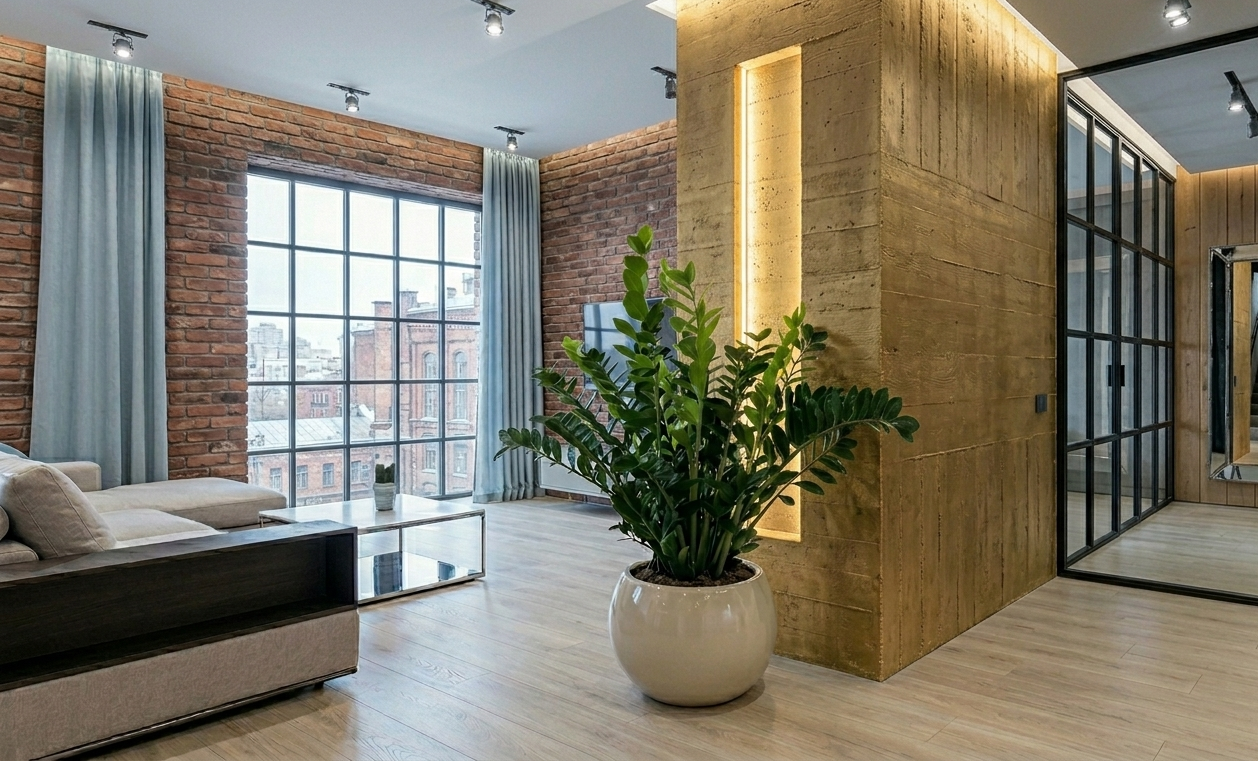
ZZ Plant Care at a Glance
| Care Factor | What You Need |
|---|---|
| Light | Low to bright indirect; tolerates fluorescent lighting |
| Watering | Every 2–3 weeks in summer; monthly or less in winter |
| Soil | Well-draining mix; add perlite to standard potting soil |
| Fertilizer | Balanced liquid fertilizer monthly during growing season |
| Temperature | 60–85°F; keep away from drafts and temps below 45°F |
| Humidity | Tolerates low humidity; no misting needed |
| Toxicity | Toxic to cats, dogs, and humans if ingested |
| Mature size | 2–4 feet tall indoors |
ZZ Plant Varieties Worth Knowing
Most ZZ plants sold in nurseries are the standard green Zamioculcas zamiifolia, but a few varieties have become popular enough to be widely available.
Standard ZZ Plant
The classic: deep green, glossy leaves on arching stems that can reach 3–4 feet. This is the most forgiving of all the varieties and the best starting point if you haven’t grown ZZ plants before.
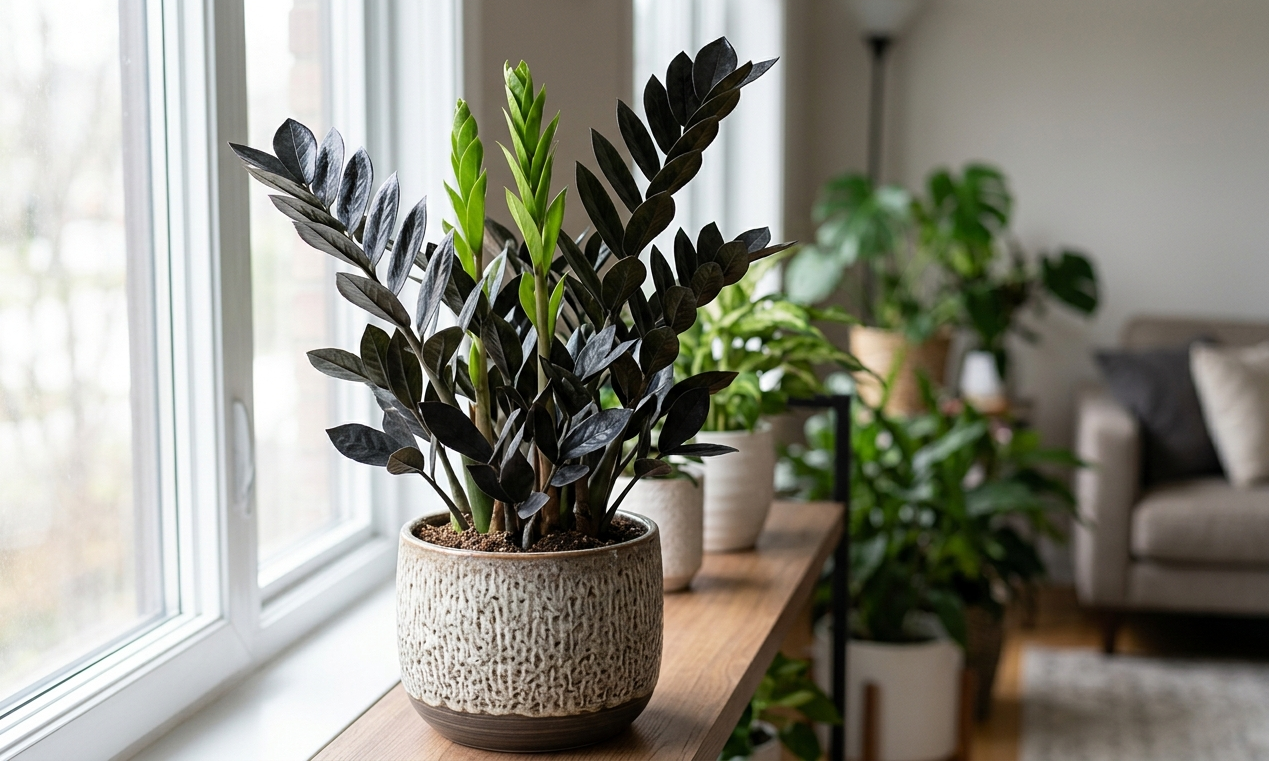
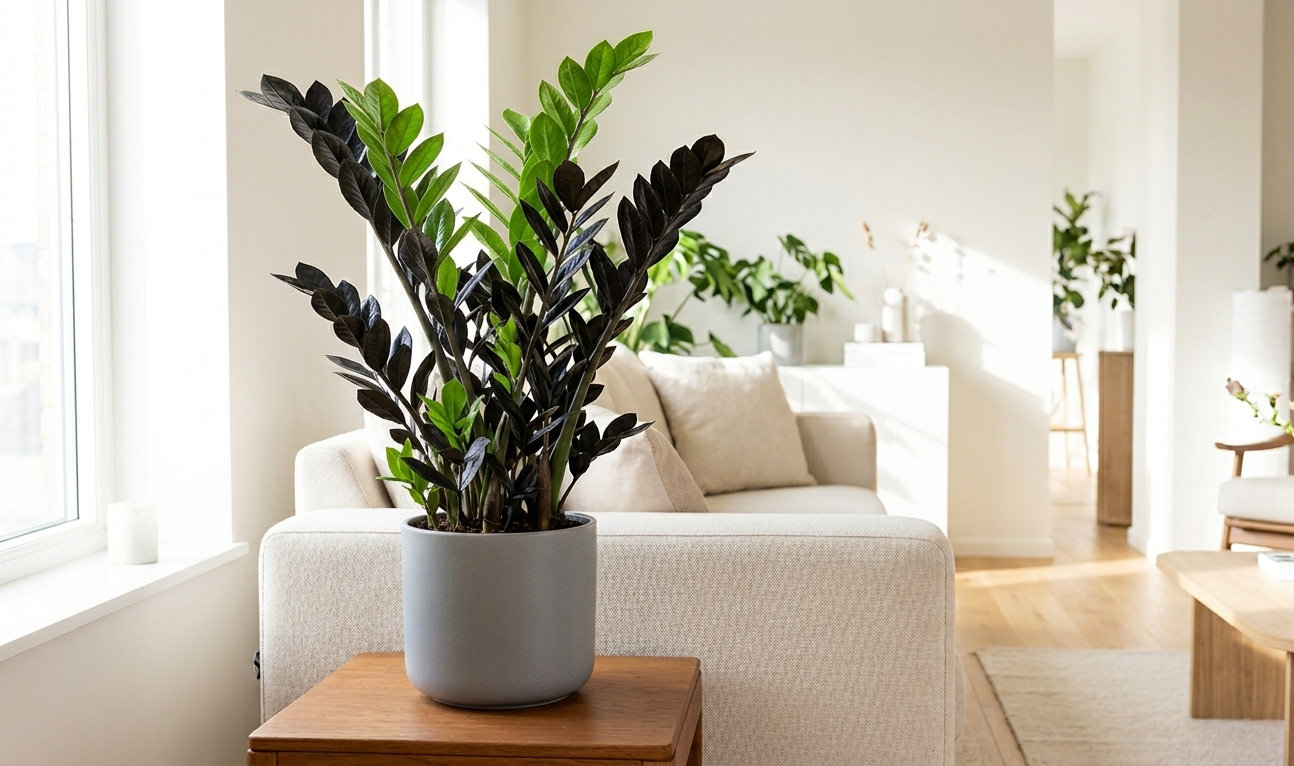
Raven ZZ Plant
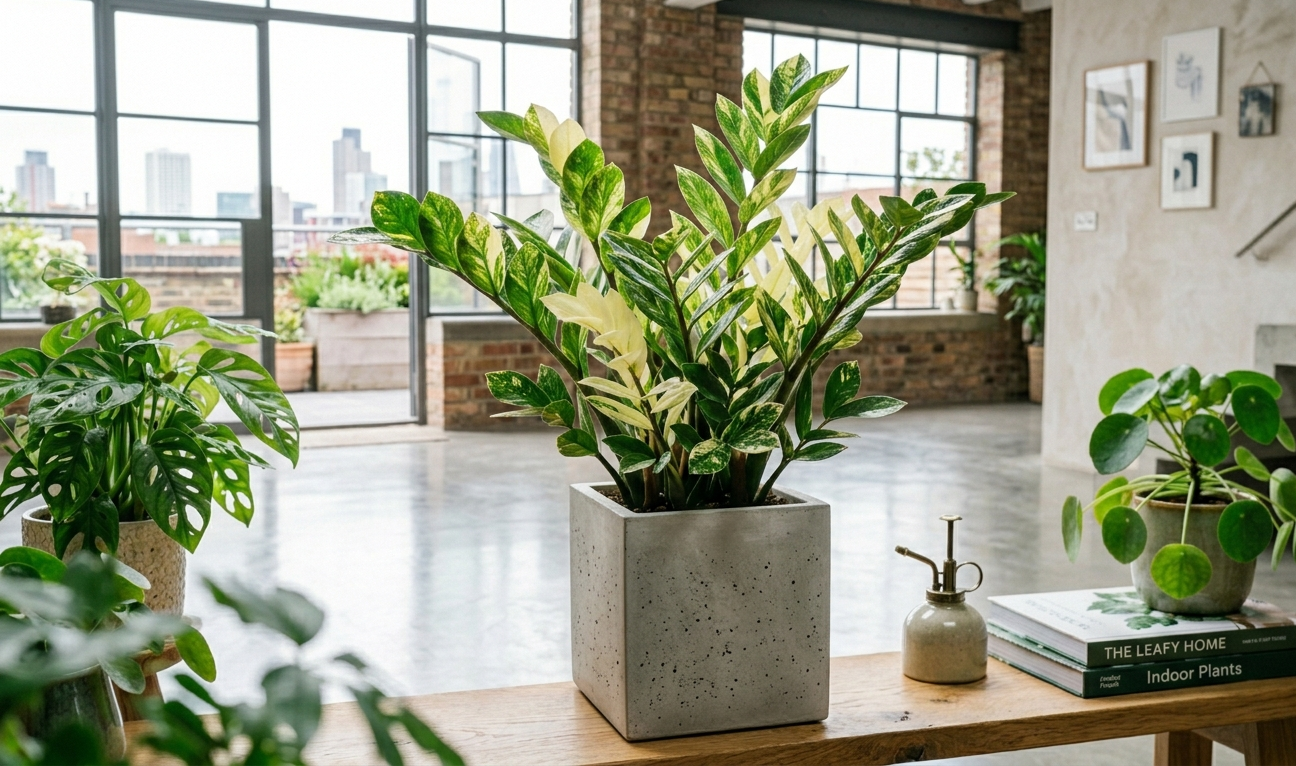
The same plant with one dramatic difference — new growth starts bright green and darkens to near-black as it matures. The effect is striking and the care is identical to standard ZZ. It tends to grow a bit more slowly and costs more at nurseries, but it holds its color well in low light.
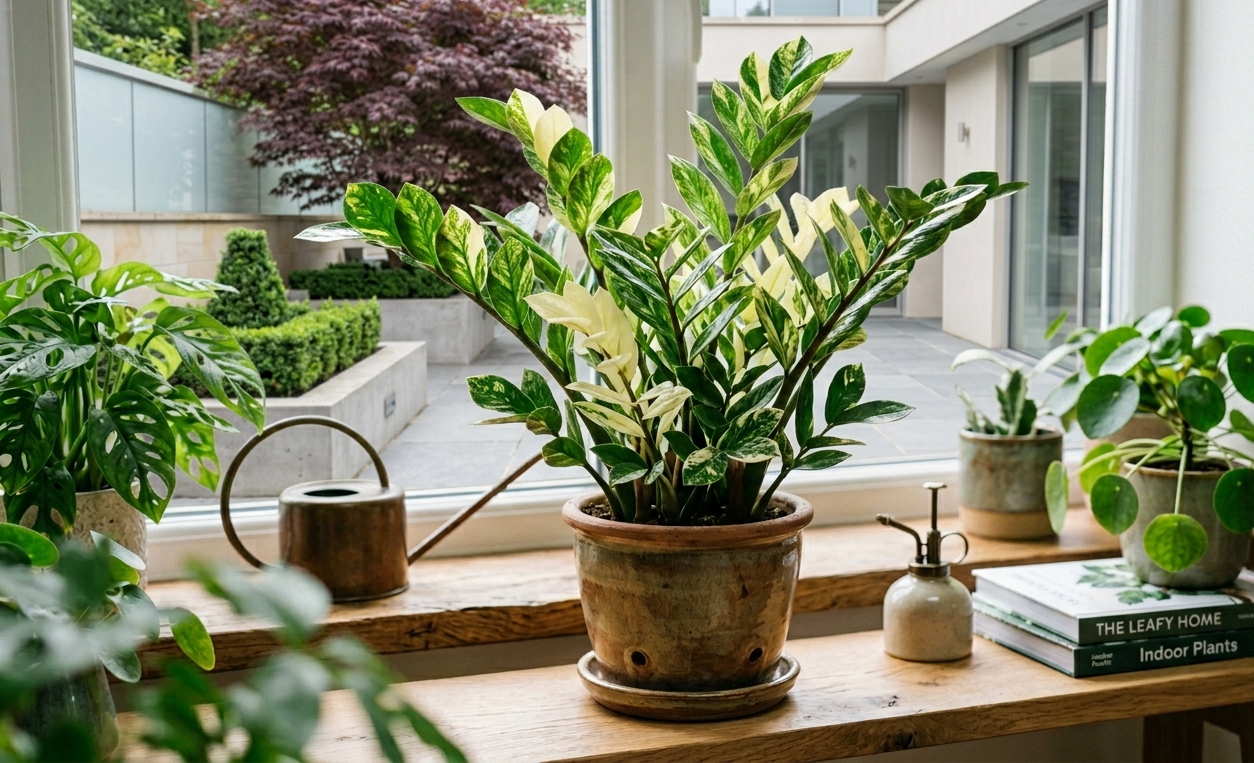
Chameleon and Variegated ZZ
Variegated ZZ plants show patches of yellow and green. They’re rarer and more expensive, and they need slightly more light than standard varieties to maintain their variegation — low light causes the yellow patches to fade back toward solid green. The Chameleon variety is similar, with lighter green and yellow tones. Both are best treated as slightly higher maintenance than the standard plant.

How Much Light Does a ZZ Plant Need?
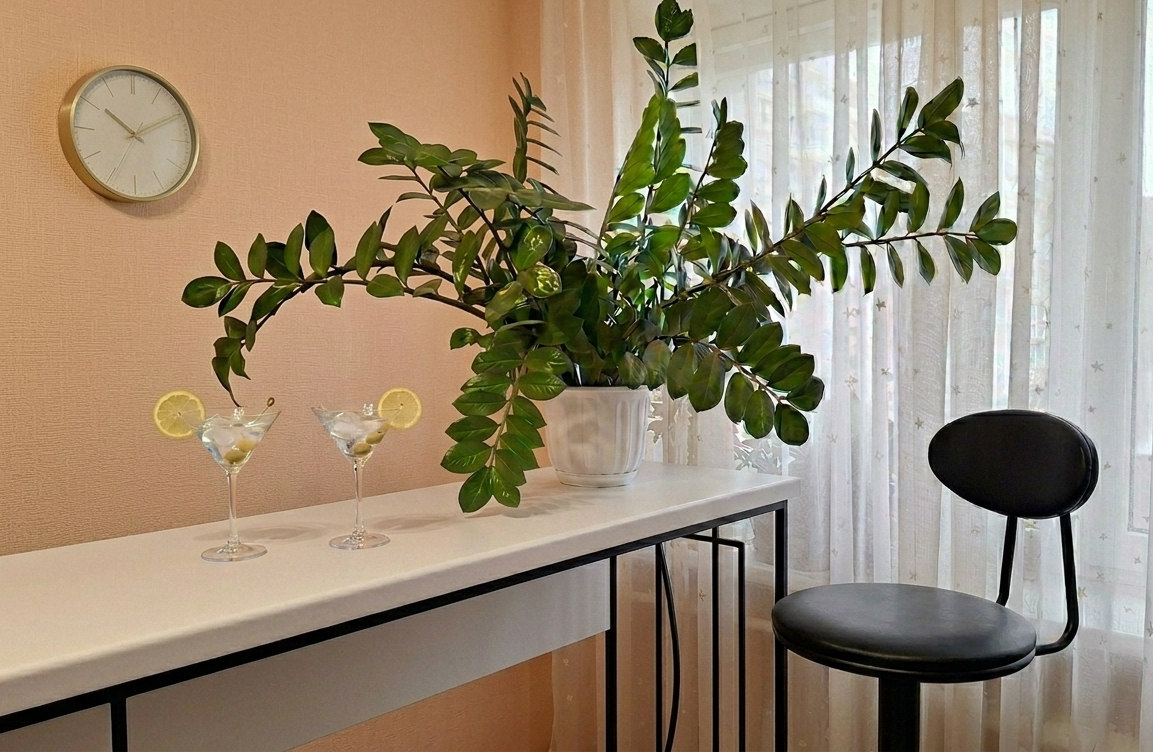
Less than almost any other houseplant. ZZ plants genuinely tolerate low light — including the kind of dim corner that gets nothing but reflected light from across a room. They’re one of the few plants that survive in office settings with only fluorescent overhead lighting.
That said, “tolerates low light” and “thrives in low light” aren’t the same thing. A ZZ plant in a bright spot with indirect light will grow faster, produce more stems, and look fuller than one parked in a dim corner. Growth in very low light is extremely slow — sometimes just a stem or two per year.
What ZZ plants can’t handle is direct sun, especially through south or west windows in summer. The glossy leaves scorch quickly — first turning pale or washed-out yellow, then developing brown, crispy edges and tips. Recovery from sun scorch is slow; the damaged leaves don’t bounce back. If your plant is near a window that gets direct afternoon sun, move it back a few feet or diffuse the light with a sheer curtain.
Watering a ZZ Plant: How Often Is Too Often?
The most important thing to understand about ZZ plants is that they store water in their rhizomes — the thick, potato-like underground stems. This is what makes them so drought tolerant, and it’s also why overwatering is so damaging. If you want to multiply your plant, those rhizomes are also what makes ZZ plant propagation possible. Those rhizomes are sitting in the soil, and if the soil stays wet too long, they rot.
In practice: water when the top 2 inches of soil are completely dry — not just slightly dry. In summer, that’s typically every 2–3 weeks. In winter, monthly is usually enough, sometimes less. I’ve kept a ZZ plant in a north-facing room that needed water only every 5–6 weeks in winter and looked completely fine.
Signs of Overwatering vs. Underwatering
| Symptom | Overwatered | Underwatered |
|---|---|---|
| Leaves | Yellow, soft, dropping | Wrinkled, slightly dry, curling |
| Stems | Mushy at base | Limp but firm |
| Soil | Wet, compacted, smells off | Completely dry, pulling away from edges |
| Rhizomes | Soft, brown, rotting | Firm and intact |
If you suspect root rot — soft brown rhizomes when you unpot the plant — trim the damaged roots, let them dry out for a day or two, then repot in fresh well-draining soil. ZZ plants are remarkably good at recovering from rot if you catch it before the whole root system is gone.
Soil and Potting Mix
ZZ plants need soil that drains quickly and doesn’t hold moisture around the rhizomes. Standard potting soil works as a base, but it’s usually too water-retentive on its own. Mix in perlite at a ratio of about 1 part perlite to 3 parts potting soil. If your plant is in a non-draining decorative pot, move it to something with drainage holes before watering becomes a problem.
Soil pH isn’t critical — ZZ plants tolerate a wide range from about 6.0 to 7.0 — but drainage matters more than pH for this plant.
Fertilizing a ZZ Plant
ZZ plants are light feeders. Every 4–6 weeks during spring and summer with a balanced liquid fertilizer (something like 10-10-10 or similar) at half the recommended strength is enough. Don’t fertilize in fall or winter — the plant isn’t actively growing and extra nutrients just build up as salt in the soil.
Signs of over-fertilizing: brown leaf tips, white crust on the soil surface, or leaves that look chemically burned. If this happens, flush the pot thoroughly with water to clear the salt buildup, and skip fertilizing for a month or two.
How Big Do ZZ Plants Get?
Indoors, most ZZ plants reach 2–3 feet tall and about as wide, occasionally hitting 4 feet in bright light with consistent care. Missouri Botanical Garden lists the typical indoor size as 2–3 feet. Growth is slow — a new stem every month or two in good conditions, less than that in low light. In optimal conditions with bright indirect light and regular fertilizing, they can occasionally reach 5 feet, but that takes years.
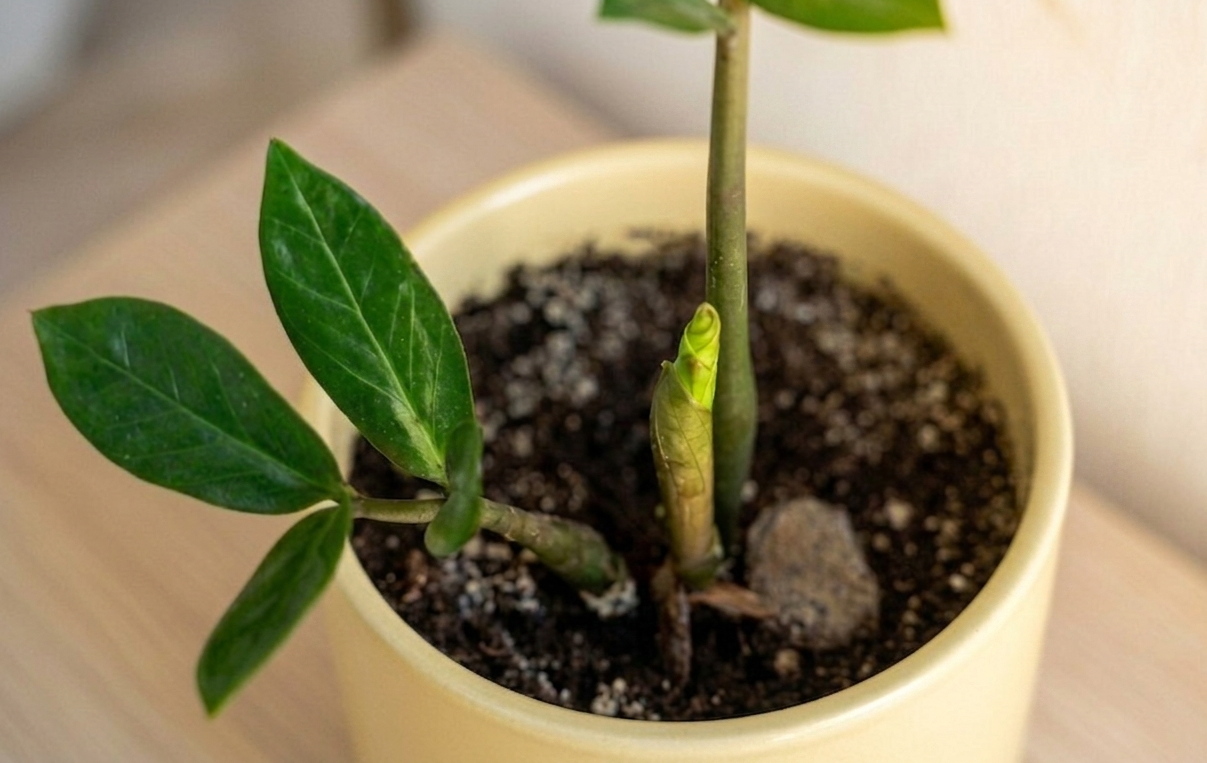
The plant grows from the center out, producing new fronds (called rachises) that unfurl from the base. Each frond is a single stem with a row of leaflets along each side. New growth starts lighter green and darkens as it matures — in Raven ZZ, new fronds start lime green before turning black over several weeks.
Repotting a ZZ Plant
ZZ plants don’t need frequent repotting — every 2–3 years is typical, and only when the rhizomes have outgrown the current pot. Signs it’s time: roots circling the bottom of the pot, rhizomes pushing up through the soil surface, or water draining almost instantly without being absorbed.
Move up one pot size at a time. Going to a much larger pot means more wet soil around the rhizomes — exactly the conditions that cause rot. Spring is the best time to repot; avoid doing it in winter when the plant is barely growing.
Do ZZ Plants Bloom?
Rarely indoors, and the flowers aren’t the reason anyone grows them. When it does happen, ZZ plants produce an aroid-type inflorescence at the base of the stems — a green spathe (the outer bract) surrounding a cream-white to yellow spadix (the flower spike). Similar in structure to a peace lily, but much smaller and less showy. The whole thing, partially hidden by the lower leaves. Most indoor ZZ plants never flower at all.
If yours does bloom, it usually means the plant is mature, getting good light, and otherwise happy. You can leave the flowers or remove them — they don’t affect the plant’s health either way.
Why Are My ZZ Plant Leaves Turning Yellow?
Yellow leaves on a ZZ plant mean overwatering in most cases — it’s the most common problem by a significant margin. Before assuming anything else, check the soil and the watering schedule. If the soil has been staying wet, that’s your answer.
Other causes worth checking:
- Too much direct light — causes pale or washed-out yellow, often starting at the edges or tips
- Natural aging — the oldest lower leaves yellow and drop as new growth appears; if it’s isolated to the lowest stems, it’s probably normal
- Root rot — yellowing across multiple stems at once, combined with mushy soft stems, suggests the rhizomes are already affected
- Nutrient deficiency — less common in ZZ plants, but possible if the plant has been in the same soil for years without any fertilizing
Is the ZZ Plant Toxic to Cats and Dogs?
Yes. ZZ plants contain calcium oxalate crystals, which cause oral irritation, excessive drooling, vomiting, and difficulty swallowing in pets that chew on the leaves or stems. The same applies to people — sap from cut stems can irritate skin and eyes.
The toxicity is real but not typically life-threatening in the amounts a cat or dog is likely to ingest from chewing a leaf. The unpleasant taste usually deters pets after the first nibble. That said, if you have cats or dogs that actively chew plants, keep the ZZ plant out of reach or choose a different plant. For a full breakdown of ZZ plant toxicity for pets, see our guide on whether ZZ plants are safe for cats and dogs.
Common ZZ Plant Problems
- Stems falling over or leaning heavily — usually a light issue; the plant is reaching toward the nearest light source. Rotate the pot a quarter turn every month or move it closer to a window.
- Leggy, sparse growth — not enough light. Move to a brighter location with indirect light.
- Brown leaf tips — low humidity, fluoride in tap water, or fertilizer salt buildup. Try filtered water and flush the soil every few months.
- Pests — ZZ plants are relatively pest-resistant, but mealybugs and scale can show up. Check the leaf undersides and stem junctions; treat with neem oil or insecticidal soap.
Frequently Asked Questions
How often should you water a ZZ plant?
Every 2–4 weeks in spring and summer, and monthly or less in winter. The right approach is to check the soil rather than follow a fixed schedule — water only when the top 2 inches are completely dry. ZZ plants store water in their rhizomes and are much more likely to be killed by overwatering than underwatering.
Can ZZ plants grow in low light?
Yes — they’re one of the most low-light-tolerant houseplants available. They survive in dim corners and offices with only fluorescent lighting. Growth will be very slow in low light, but the plant stays healthy. Bright indirect light produces faster, fuller growth.
How fast do ZZ plants grow?
Slowly. In good conditions with bright indirect light, a ZZ plant might produce one new stem every few weeks during the growing season. In low light, growth can slow to a few new stems per year. Don’t expect rapid changes — this is a plant measured in months, not weeks.
Why is my ZZ plant not growing?
The most common reasons are insufficient light, being in winter dormancy, or being pot-bound. Check the light levels first — ZZ plants tolerate low light but grow very slowly in it. If the plant is in a dark spot, moving it to a brighter location with indirect light usually prompts new growth within a few weeks.
Do ZZ plants purify air?
The claim that houseplants significantly purify indoor air comes from a NASA study that has been widely misinterpreted. The study was conducted in sealed chambers, not in homes, and the number of plants needed to have a measurable effect in a real room is far beyond what anyone keeps indoors. ZZ plants are great houseplants — but air purification isn’t a practical reason to choose them.