
Getting the fertilizer right makes a bigger difference to a lemon tree than most people expect. A tree that’s been running on the wrong formula, or no formula at all, can look fine for months while quietly underperforming. Once it gets a proper citrus fertilizer, the first signs show up in the next flush of growth: darker new leaves, stronger shoots, and over time more reliable flowering.
This guide covers the best lemon tree fertilizer options, which NPK ratios actually work, how often to apply, and what changes for container trees and Meyer lemons specifically.
What Lemon Trees Actually Need From Fertilizer
Lemon trees have two specific requirements that set them apart from most garden plants: high nitrogen demand for pushing out all that leafy growth, and a need for micronutrients (iron, manganese, and zinc especially) that many general-purpose fertilizers don’t include.
That second point is where a plain 10-10-10 can fall short. The NPK numbers themselves are fine: UF/IFAS lists 6-6-6, 8-8-8 and 10-10-10 in its home citrus schedule and calls an 8-8-8 with other macro and micronutrients a good general fertilizer. But without trace elements, a tree can develop yellowing that is easy to mistake for a nitrogen or magnesium problem, and you end up chasing it with the wrong products. The clue is where it starts: nitrogen shortage yellows older leaves fairly evenly, while iron, zinc or manganese shortage shows on new leaves as yellow tissue between green veins.
Which NPK Ratio Works Best for Lemon Trees?
Look for a fertilizer where nitrogen is the first and highest number, such as 12-4-8 or 6-3-3; UC Master Gardeners give 7-3-3 as an example. Nitrogen is the nutrient citrus uses most, and it drives new leaf and shoot growth. A balanced formula such as 8-8-8 also works (it is what UF/IFAS uses in its home citrus schedule), but there is no benefit in piling on phosphorus, and very high phosphorus can reduce zinc and iron uptake. My advice is to buy any citrus-labeled product that lists micronutrients and put your attention into feeding at the right times rather than chasing an exact ratio.
| Growth Stage | What to Use | Why |
|---|---|---|
| Spring – vegetative growth | High-N citrus formula (e.g. 12-4-8) | Drives new leaf and branch growth |
| Flowering / fruit set | Your regular citrus formula (no switch needed) | UC ANR times the first nitrogen feed of the year just before bloom |
| Container trees, growing season | Liquid citrus formula at half-strength | Easier to control; avoids salt buildup |
| Young trees (under 1 year) | Small doses about every six weeks, February to October | UF/IFAS schedule; amounts rise as the tree grows |
Best Fertilizer for Lemon Trees
Best Granular Citrus Fertilizer
For outdoor in-ground lemon trees, a slow-release granular formula labeled specifically for citrus is the most practical option. Depending on the product, it feeds for several weeks to a few months, so you don’t have to remember monthly applications. Look for products that list iron, manganese, and zinc in the micronutrient section, not just NPK.
Espoma Citrus-tone (5-2-6) is a widely available organic option with a reasonable potassium level plus calcium and magnesium; check the current bag label for iron, manganese and zinc. It’s not the highest-nitrogen formula on the market, but its slow-release organic nitrogen is more forgiving than fast-release synthetic salts, though overdoing any fertilizer can still damage roots.
Best Liquid Citrus Fertilizer
For container trees and Meyer lemons, liquid fertilizers give you more control. You can adjust the dose based on how the tree looks and keep salt buildup in check, because you control exactly how much goes into the pot.
Extension advice for citrus centers on nitrogen: UC Master Gardeners in Contra Costa County suggest a product whose first number is the highest, such as 7-3-3, and Santa Clara County Master Gardeners suggest liquid feeding once or twice a month for potted citrus, using a complete fertilizer with micronutrients. Mixing to half the label strength and feeding every two to three weeks during the growing season gives the tree a similar total with gentler peaks. For a full lemon tree care overview including watering and soil, see our lemon tree care guide.
Can You Use Citrus Fertilizer for Other Plants?
Often, yes. The micronutrient profile that makes it good for lemons also suits other plants prone to iron and manganese shortages, such as gardenias, and other members of the citrus family. That includes Szechuan pepper, a citrus-family relative that also prefers slightly acidic conditions. For azaleas and blueberries, I would pick a fertilizer made for acid-loving plants instead, since those are formulated to keep the soil acidic.
How Often Should You Fertilize a Lemon Tree?
Fertilizing Schedule by Season
| Month | Action |
|---|---|
| February – March | First feed of the year as buds swell (UC ANR: January or February, just before bloom) |
| April – August | Granular about every six weeks for young in-ground trees, with fewer feeds as trees age (about three a year once established); liquid every two to three weeks for pots |
| September | Last feed in mild-winter regions such as Florida; in California, UC advises against late-season feeding of in-ground trees |
| October – November | Stop in most areas (the UF/IFAS schedule ends in October); late feeding pushes soft growth that cold can damage |
| December – January | No fertilizer for trees that slow down or go semi-dormant |
One thing that trips people up: lemon trees in warm climates (Florida, Southern California, Hawaii) don’t always go dormant in winter. Even so, the UF/IFAS schedule for Florida runs only from February through October, so a winter break is sensible even for a tree that keeps growing. If it slows down and drops some leaves, stop and wait for spring.
Young Trees vs. Established Trees
Don’t rush fertilizing a newly planted tree. UF/IFAS advises starting when swelling buds show that growth has begun, or about three weeks after planting, then feeding about every six weeks from February through October in the first year, beginning with small amounts (half a cup of 8-8-8 for the first application) and increasing them through the season. From the second year the number of feeds drops: five, then four, then three a year for trees in their fourth year and older.
I would rather underfeed a new tree for its first few months than overfeed it: too much fertilizer near young roots can burn them, and a slightly hungry tree is easy to correct with the next feed.
How to Fertilize a Lemon Tree in a Pot
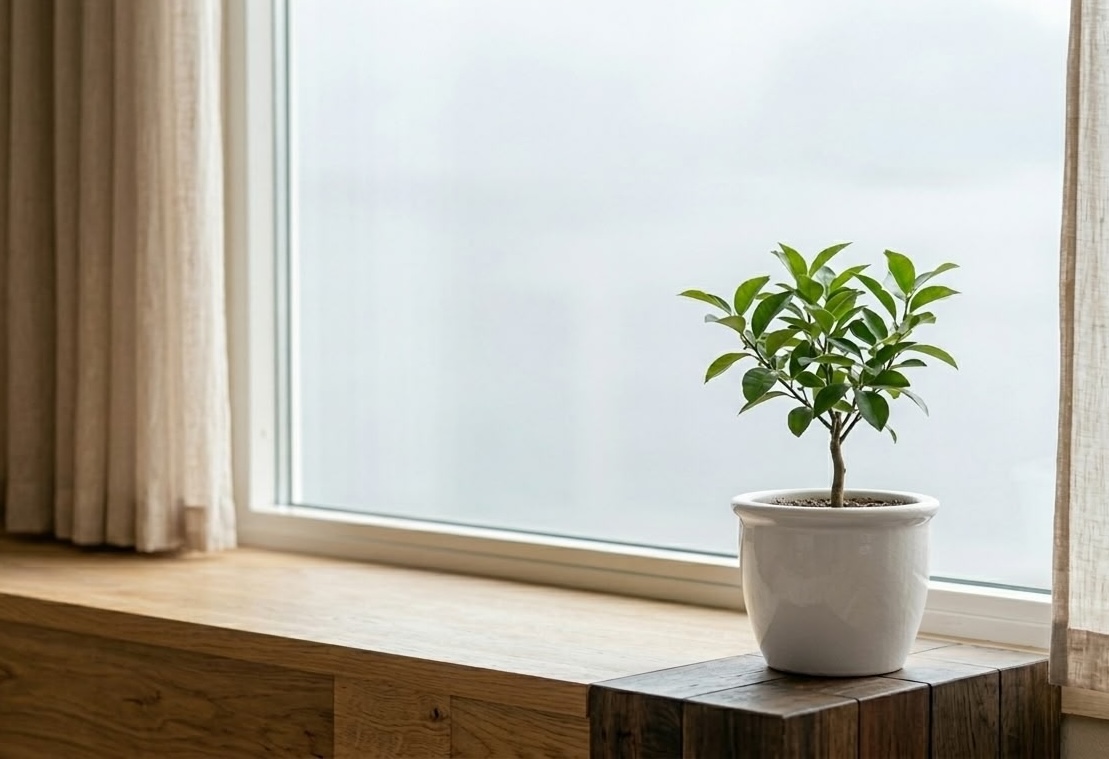
Container lemon trees need fertilizing more frequently than in-ground trees, not because they need more nutrients, but because regular watering flushes nutrients out of the pot faster than rain does in a garden bed. A tree in the ground has access to a continuous reservoir; a tree in a 15-gallon pot has whatever you last put in it.
Use liquid fertilizer for container trees whenever possible. It distributes evenly and lets you adjust the dose precisely, which makes salt buildup easier to avoid (liquid feeds still add salts, so the dose matters). Apply at half the label’s recommended strength every two to three weeks during the growing season.
A few times during the growing season, water the pot slowly and heavily until plenty of water runs out of the drainage holes, to flush out salts left by fertilizer. Salt buildup causes brown, burned leaf tips and edges and can damage roots, so the tree struggles to take up nutrients even when you’re fertilizing on schedule. Flushing also washes out some nutrients, so if it were my potted lemon, I would flush first and feed afterward rather than the other way round.
Fertilizing Meyer Lemon Trees: What’s Different
Meyer lemons take the same citrus fertilizers and timing as other lemons. As with any citrus, too much nitrogen pushes lots of leafy growth, which UC ANR notes also makes trees more prone to problems such as bacterial blast. Meyers are often grown as compact trees in pots, and UC IPM notes that dwarf trees and trees in containers with restricted root space may need less fertilizer, so it makes sense to stay at the lower end of the label rate, especially in the first few years.
The other Meyer-specific consideration: they can flower several times a year in good conditions, so there is often some stage of flowering or fruiting happening. That is not a reason to stop feeding. University advice does not call for cutting nitrogen at bloom; UC ANR actually times the first nitrogen feed of the year just before bloom. I’d skip switching between formulas at flowering and simply keep a regular citrus fertilizer on schedule.
Organic Fertilizer Options for Lemon Trees
Fish Emulsion
Fast-acting and high in nitrogen, useful for pushing growth in spring or correcting a nitrogen deficiency quickly. The smell on application day is noticeable. Fish emulsion is typically around 5-1-1 NPK, which makes it a good spring-season option but not a complete fertilizer on its own: you’ll still need the micronutrients from a citrus-specific product.
Worm Castings
Low NPK, variable content depending on the source, but excellent for soil structure and microbial activity. Works best mixed into the potting soil at planting or used as a top dressing. Don’t rely on it as a primary fertilizer; treat it as a soil amendment that improves the potting mix.
Citrus-Specific Organic Granulars
Several brands make organic granular formulas specifically for citrus, and they combine several advantages. Most include micronutrients, release slowly, and carry a lower burn risk than fast-release synthetic fertilizers, though they can still burn if overapplied. The tradeoff is cost and slower response time compared to synthetic products.
Signs Your Lemon Tree Needs More Fertilizer, and Signs It’s Getting Too Much
| What You See | Likely Cause | Fix |
|---|---|---|
| Pale or yellowing older leaves; slow growth | Nitrogen deficiency | Apply high-N citrus fertilizer |
| New leaves yellow, veins stay green | Iron deficiency (often pH-related) | Test soil pH; use chelated iron or lower pH |
| Yellowing on older leaves near fruit, leaving a green inverted V at the leaf base | Magnesium deficiency | Magnesium sulfate (Epsom salt) applied to the soil, once a soil test confirms low Mg |
| Brown crispy leaf tips and edges | Fertilizer burn or salt buildup | Flush container; reduce dose; check drainage |
| Lush green growth, no flowers | Too much nitrogen | Cut back the dose; also check light and tree age |
Frequently Asked Questions
What is the best fertilizer for lemon trees?
A fertilizer specifically formulated for citrus, one that includes iron, manganese, and zinc alongside the NPK numbers. Many general-purpose fertilizers skip these micronutrients, which lemon trees need for healthy growth and fruit production. Look for products labeled “citrus fertilizer” rather than adapting a general garden formula.
How often should you fertilize a lemon tree?
For young in-ground trees, about every six weeks from February through October in the first year (UF/IFAS), with fewer feeds as the tree ages, down to about three a year for established trees. Container trees do better with liquid fertilizer applied at half-strength every two to three weeks during the growing season. Stop in fall and winter when growth slows.
Can I use 10-10-10 fertilizer on a lemon tree?
Yes, it can work. UF/IFAS includes 10-10-10 in its home citrus fertilizer schedule, so the balanced NPK is not the problem. The weak point is that a basic 10-10-10 usually lacks the micronutrients (iron, manganese, zinc) that citrus often runs short of. Use a citrus-labeled formula if you can, or pair 10-10-10 with a micronutrient product.
Why is my lemon tree not producing fruit after fertilizing?
Overfeeding is one possible cause: too much nitrogen pushes lush leafy growth at the expense of flowers. Timing is less of an issue than the amount, since UC ANR recommends the first nitrogen feed of the year just before bloom. Also remember that many pea-sized fruit normally drop about a month after bloom, and later drops tend to follow heat or dry soil, so check watering before blaming the fertilizer.
Should I fertilize a lemon tree in winter?
Generally no. Fertilizing a tree that has slowed down wastes product and can push soft new growth that’s vulnerable to cold. Even in warm climates, the UF/IFAS schedule for Florida stops in October and restarts in February, so a winter break is the safer choice. Restart in February or March, when buds begin to swell.
Recommended Products
As an Amazon Associate, Two Leaf Garden earns from qualifying purchases.