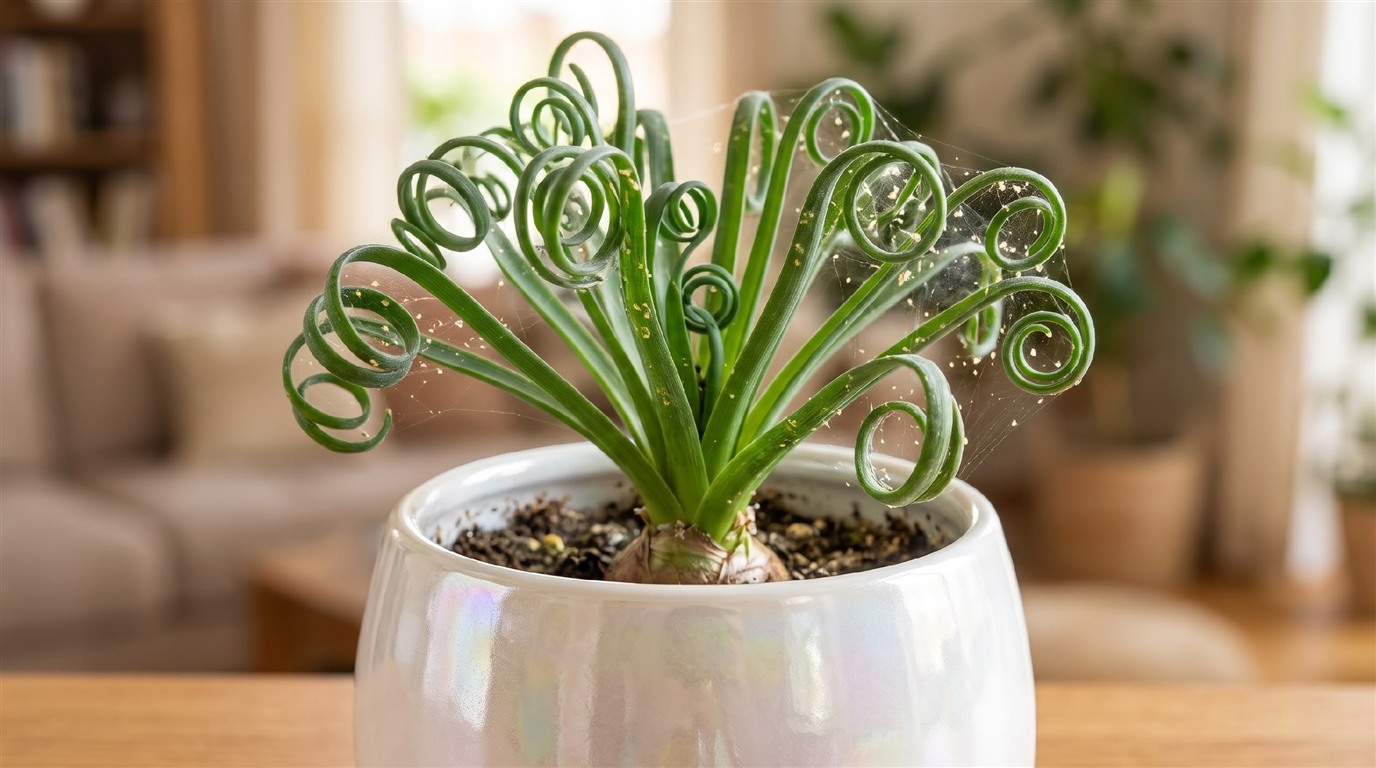
Frizzle Sizzle (Albuca spiralis) is a South African bulb that does everything backwards: it grows actively in winter and goes dormant in summer, it needs full sun while most houseplants prefer bright, indirect light, and it produces vanilla-scented flowers in late winter just as everything else is barely waking up. Much of the generic houseplant advice online does not fit it, because it was written for plants that grow in summer. This guide covers the real care cycle, why the leaves spiral, and what causes the curls to disappear. If you want a South African succulent that is far more forgiving, haworthia fasciata is one of the easiest to keep.
| Frizzle Sizzle Quick Care Summary | |
|---|---|
| Light | Full sun, 5+ hours direct daily (south-facing window) |
| Water | When the top inch is dry (autumn–spring, active); keep dry in summer (dormant) |
| Humidity | 40–50%; tolerates dry air |
| Temperature | 60–75°F (15–24°C) growing; tolerates light frost |
| Fertilizer | Monthly in winter (active season) only; stop at dormancy |
What Makes Frizzle Sizzle Leaves Curl?
The corkscrew spiral is a feature of Albuca spiralis, but how tightly the leaves coil depends on the plant and its conditions. The Pacific Bulb Society notes that the degree of spiral varies by clone and with how much sun the plant gets as the leaves start growing. In general, a leaf coils when one side grows faster than the other. The species comes from the winter-rainfall region of South Africa’s Western and Northern Cape, and one common explanation is that the coils help the leaves catch weak winter sun while limiting wind damage, although that has not been firmly established.
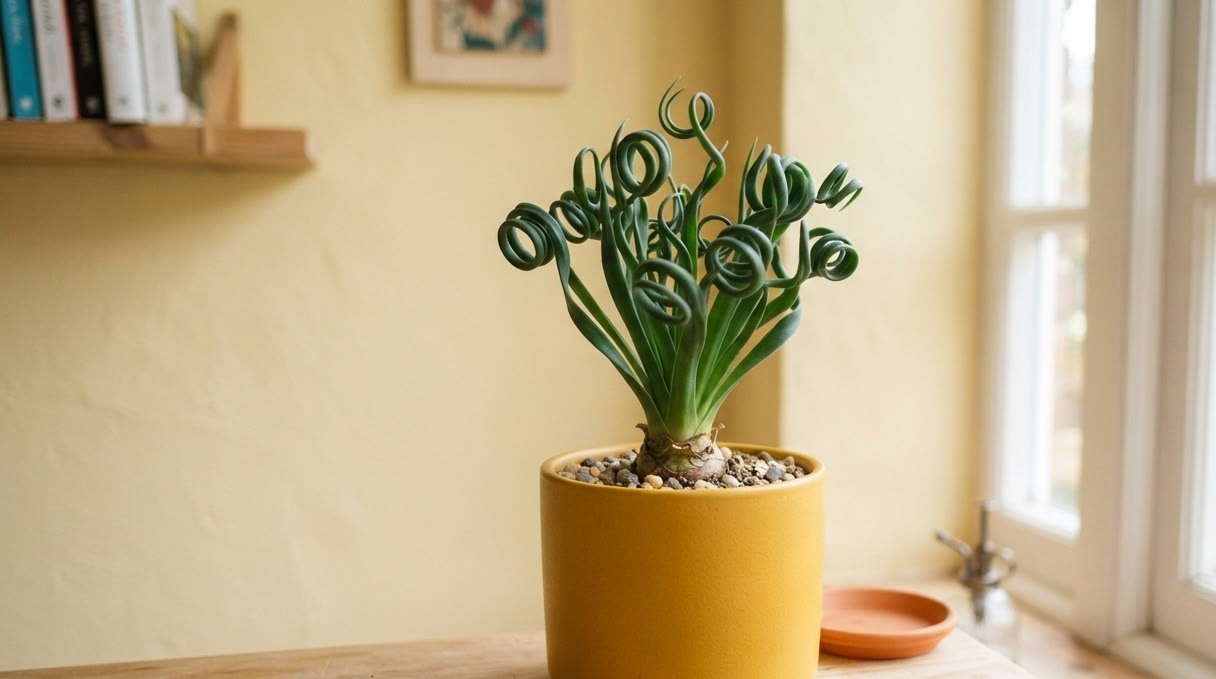
The curls are maintained by strong sunlight, lean watering and cool growing conditions. The usual reasons for straight leaves are overwatering and insufficient light: a generously watered or shaded plant tends to make straighter, softer leaves that look nothing like the plant you bought. Warmth plays a part too, since warm conditions tend to produce straighter leaf tips than cool, dry ones.
Heat triggers summer dormancy (leaves die back entirely), which is different from losing curls during the active growing season. If your plant is losing curls while still growing, look at watering, light and warmth before assuming it is dormancy.
Frizzle Sizzle Is a Winter Grower: What That Means
Albuca spiralis originates from a Mediterranean-type climate in South Africa, where winters are cool and wet and summers are hot and dry. The plant’s entire growth cycle is inverted compared to most houseplants:

- Active growing season: autumn through spring (roughly October through April in the Northern Hemisphere)
- Dormancy: summer (May through September), when leaves die back, bulb goes dry
- Flowering: late winter to early spring (February–March)
This means most of the standard houseplant advice (“water more in summer,” “fertilize from spring to autumn”) is backwards for Frizzle Sizzle. Watering heavily in summer when the bulb wants to be dry is a common cause of bulb rot.
What Does Frizzle Sizzle Need to Thrive?
How Much Light Does Frizzle Sizzle Need?
Full sun: ideally 5 or more hours of direct sunlight daily. This makes it unusual among houseplants. A south-facing windowsill is ideal. East or west windows work if they provide several hours of direct sun. Without enough light, the characteristic spiral curls do not form and leaves grow straight and pale. If you only have an east or west window, I would set the pot right against the glass rather than a few feet back, where the light drops off quickly.
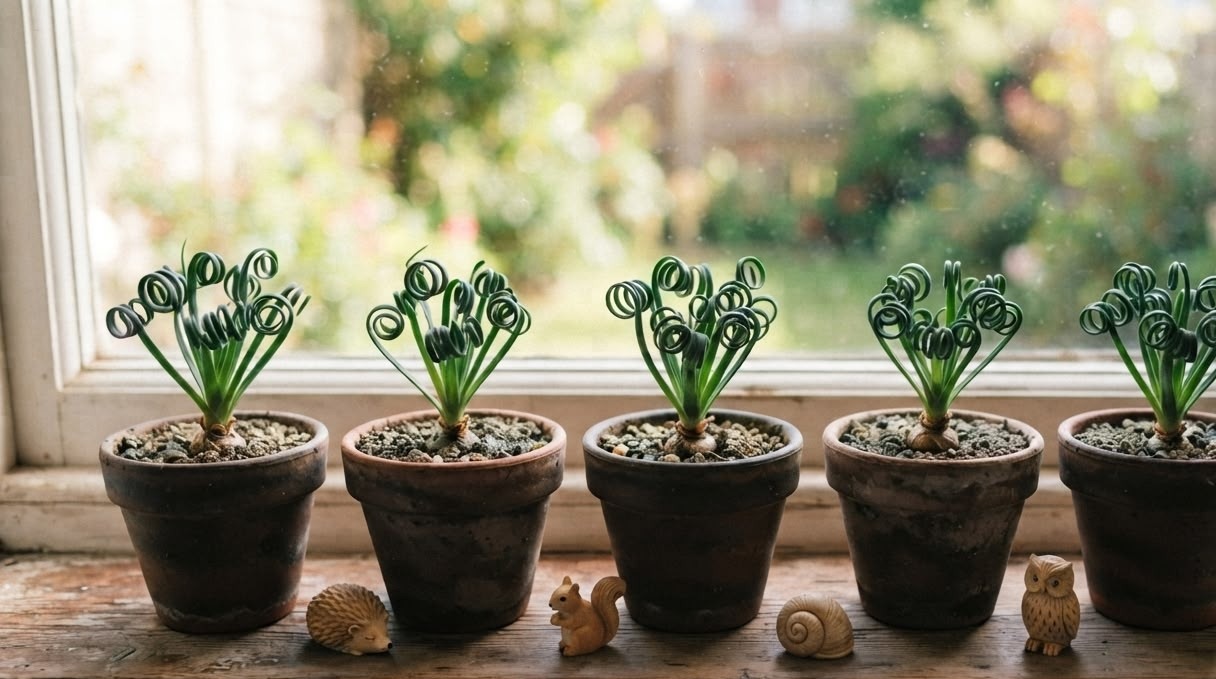
Outdoors in mild climates, Frizzle Sizzle can grow in a sunny garden bed during its cool-season growth period. Once it goes dormant, keep the bulb dry: move the pot under cover, or lift the bulb, if your summers are wet.
How Often Should You Water Frizzle Sizzle?
Water regularly during the cool growing season (autumn through spring), allowing the soil to dry slightly between waterings, but not completely. The growing cycle:
- Autumn–spring (active): water when the top inch of soil is dry, often about once a week, depending on temperature and light
- When flowering: maintain consistent moisture
- After flowering (late spring): gradually reduce watering as leaves begin to yellow
- Summer dormancy: keep dry; at most a small sip once a month if the bulb starts to shrivel
What Soil Mix Does Frizzle Sizzle Need?
Sandy, extremely well-draining. A mix of roughly half or more mineral grit (pumice, coarse perlite, or coarse sand) with standard potting mix. The bulb rots in heavy, moisture-retaining soil, especially during summer dormancy. A pot with drainage holes is non-negotiable. My advice is to choose terracotta if you tend to overwater, because it dries out faster than plastic.
What Temperature Does Frizzle Sizzle Prefer?
Prefers cool to moderate temperatures during its growing season: 60–75°F (15–24°C) is a comfortable indoor range, and cooler nights are fine. It handles some frost: the Royal Horticultural Society rates it H4 (roughly 14 to 23°F, or -10 to -5°C) for a sunny, sheltered spot in well-drained soil. In summer dormancy, higher temperatures are fine as long as the bulb stays dry. I would still bring a potted plant indoors when a hard frost is forecast, because soil in a pot freezes much faster than soil in the ground.
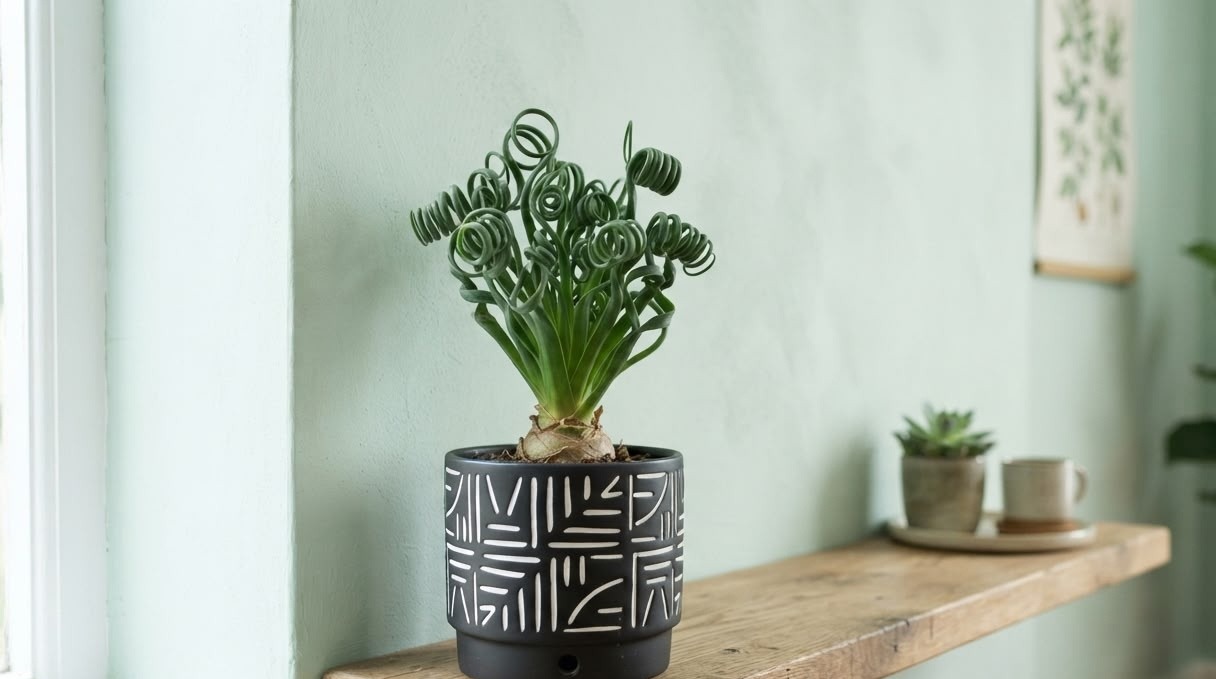
How Often Should You Fertilize Frizzle Sizzle?
Feed monthly with a balanced liquid fertilizer at half strength during the active growing season (autumn through early spring). Do not fertilize during summer dormancy. A fertilizer with higher potassium (the third number in NPK) can help encourage flowering.
How to Care for Frizzle Sizzle During Summer Dormancy
How Do You Know Frizzle Sizzle Is Going Dormant?
As temperatures rise in late spring, leaves begin to yellow and die back from the tips inward. This is not a disease; it is the normal annual cycle. The leaves will eventually wither completely, leaving only the bulb in the soil.
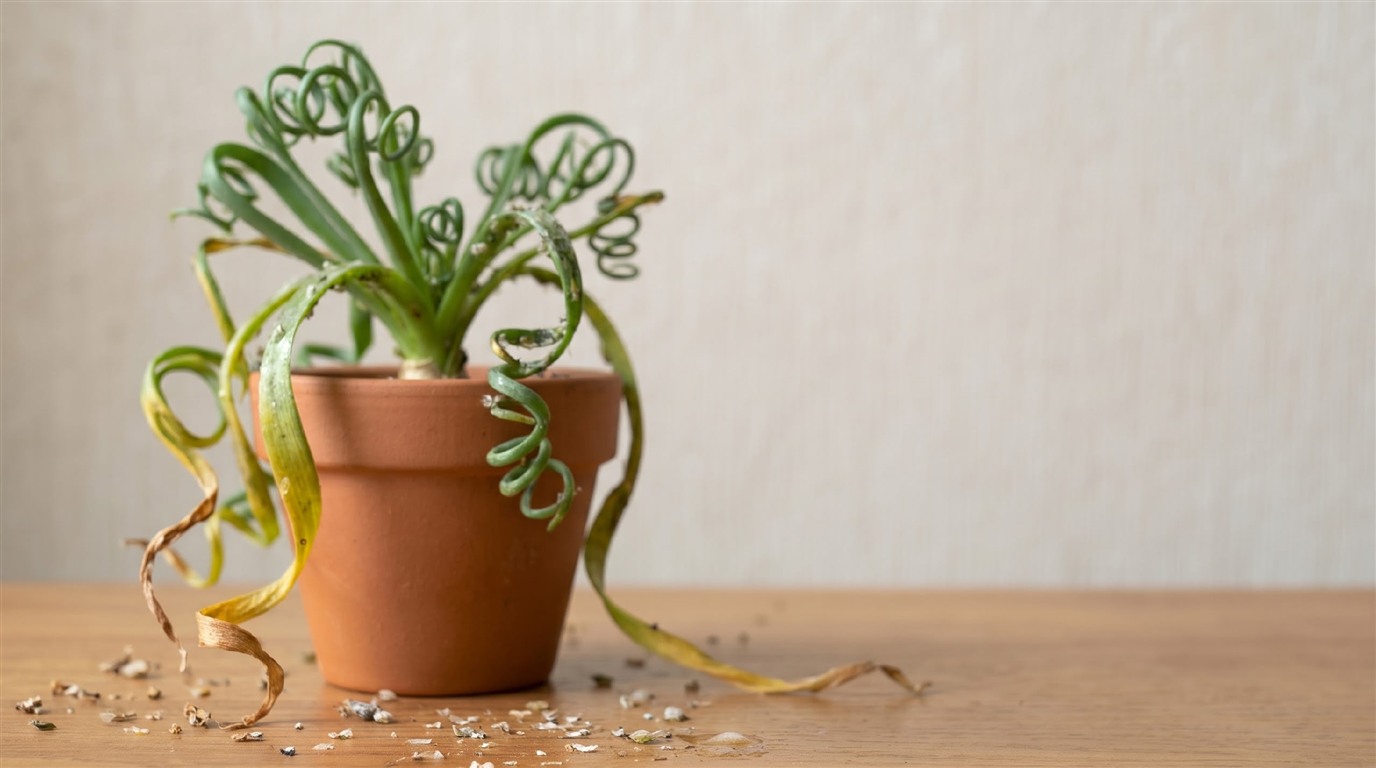
What to Do When It Goes Dormant
Stop regular watering. The RHS advises keeping dormant bulbs dry; if a potted bulb in a very hot room starts to shrivel, a small sip once a month is the most it needs. Store the pot in a warm, dry spot. You can leave the bulb in its pot, or lift it and store it dry in a paper bag in a cool, dark location. Dormant bulbs need no light.
What NOT to Do
Do not water normally during summer assuming the plant is stressed. Do not fertilize. Do not repot into heavy soil. The most common way to lose a Frizzle Sizzle is treating the dormant phase as a problem to fix by watering more: the bulb can rot within weeks. If I were unsure whether a plant was dormant or dying, I would leave it dry until autumn and check that the bulb is still firm, rather than water it.
New growth appears in early to mid-autumn. When you see new leaves emerging, resume normal watering and move the plant back to its sunny spot.
How to Get Frizzle Sizzle to Bloom
Mature bulbs produce a flowering stalk in late winter or early spring, bearing a loose spike of small, nodding yellow-green flowers with a sweet scent often compared to butter and vanilla, strongest on warm, sunny days. Plants raised from seed can take a few years to reach flowering size. The flowers are not especially showy but the scent is remarkable for a houseplant.
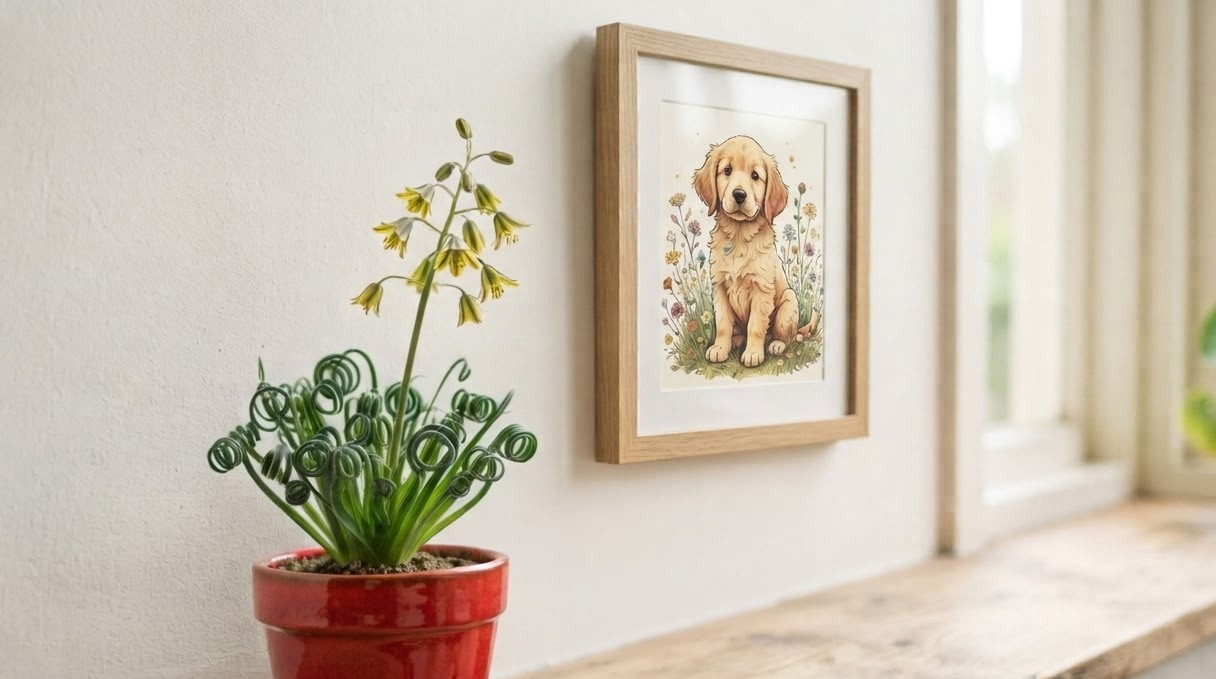
To encourage flowering: ensure the plant gets adequate sunlight throughout its growing season, allow a proper dormancy period in summer (this rest period appears to be required for blooming), and avoid over-fertilizing with nitrogen, which promotes leaf growth at the expense of flowers. A high-potassium fertilizer in autumn can help initiate flower bud formation.
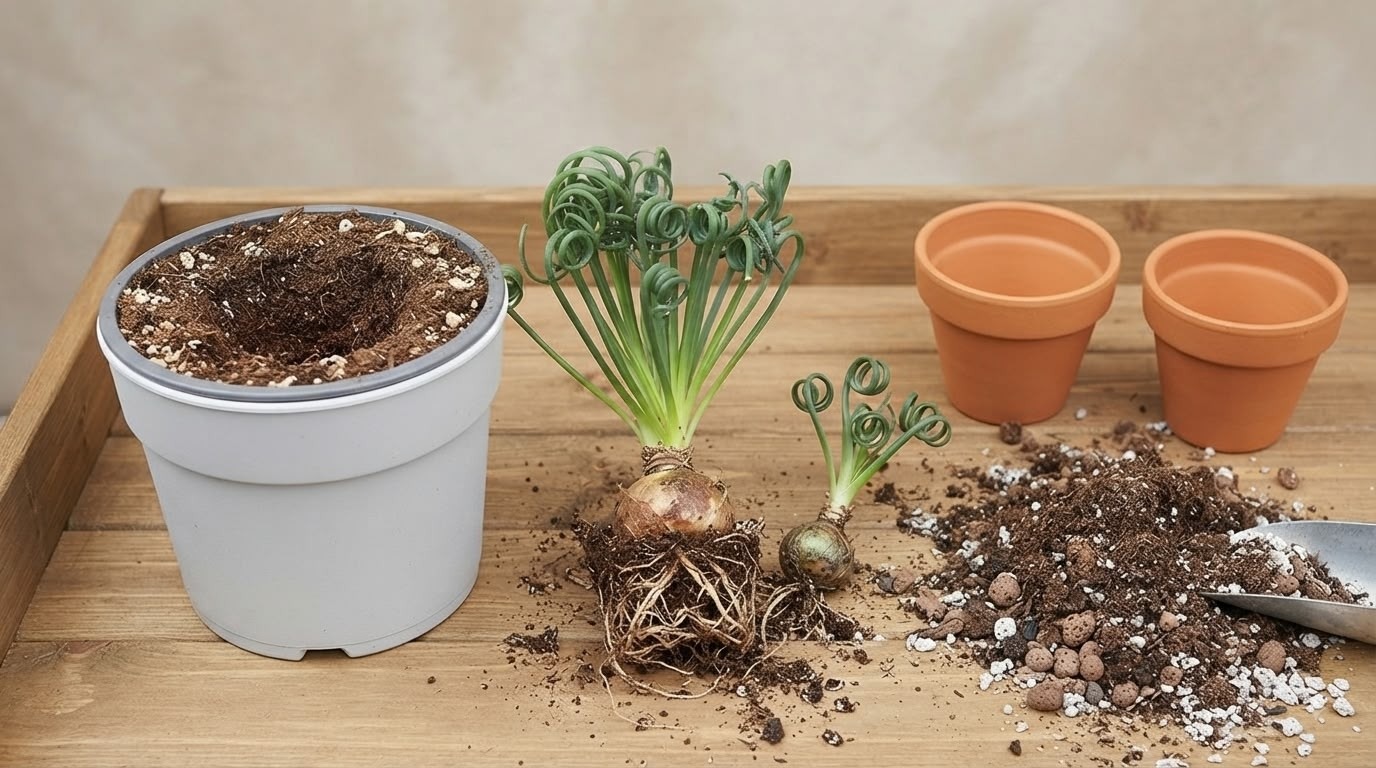
After flowering, the plant often produces offsets (small bulblets around the base of the main bulb). These can be separated and potted individually to grow new plants.
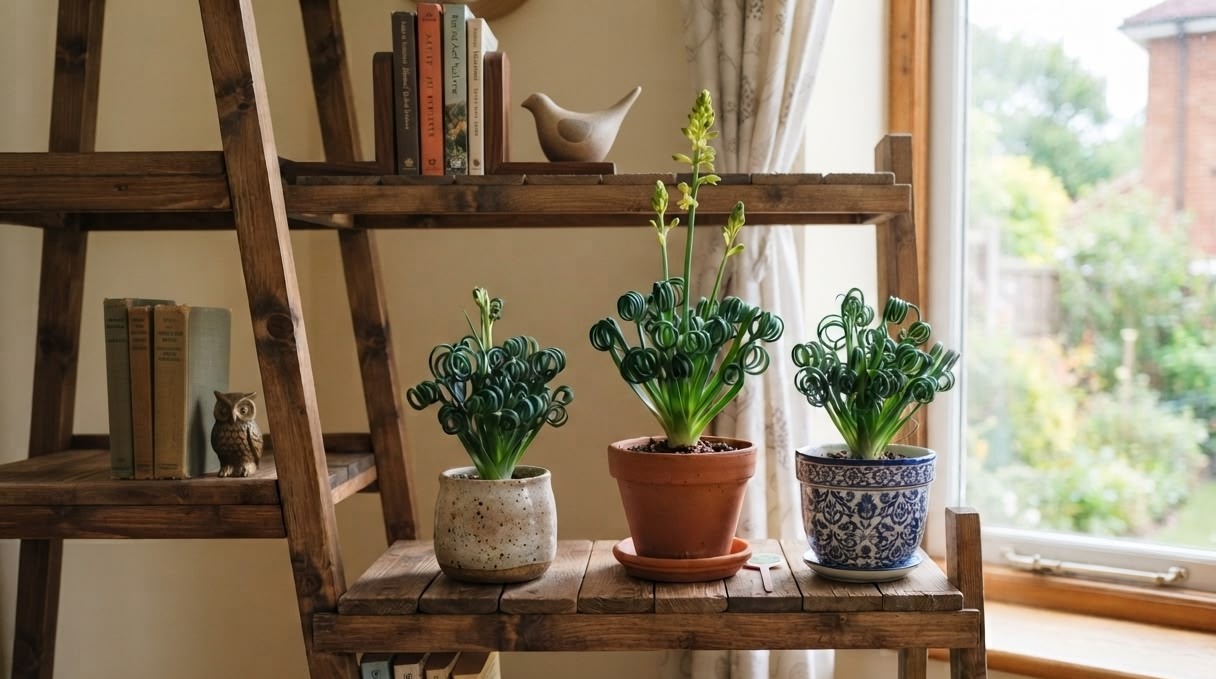
Common Problems With Frizzle Sizzle
Why Are My Frizzle Sizzle Leaves Not Curling?
The most common complaint. The usual causes:
- Overwatering: produces straight, swollen leaves. Reduce watering and ensure fast-draining soil.
- Insufficient light: without full sun, leaves grow straight. Move to the sunniest available spot.
- Actively going dormant: if it is late spring and leaves are yellowing and straightening, the plant is entering dormancy. This is normal.
Why Are My Frizzle Sizzle Leaves Turning Yellow?
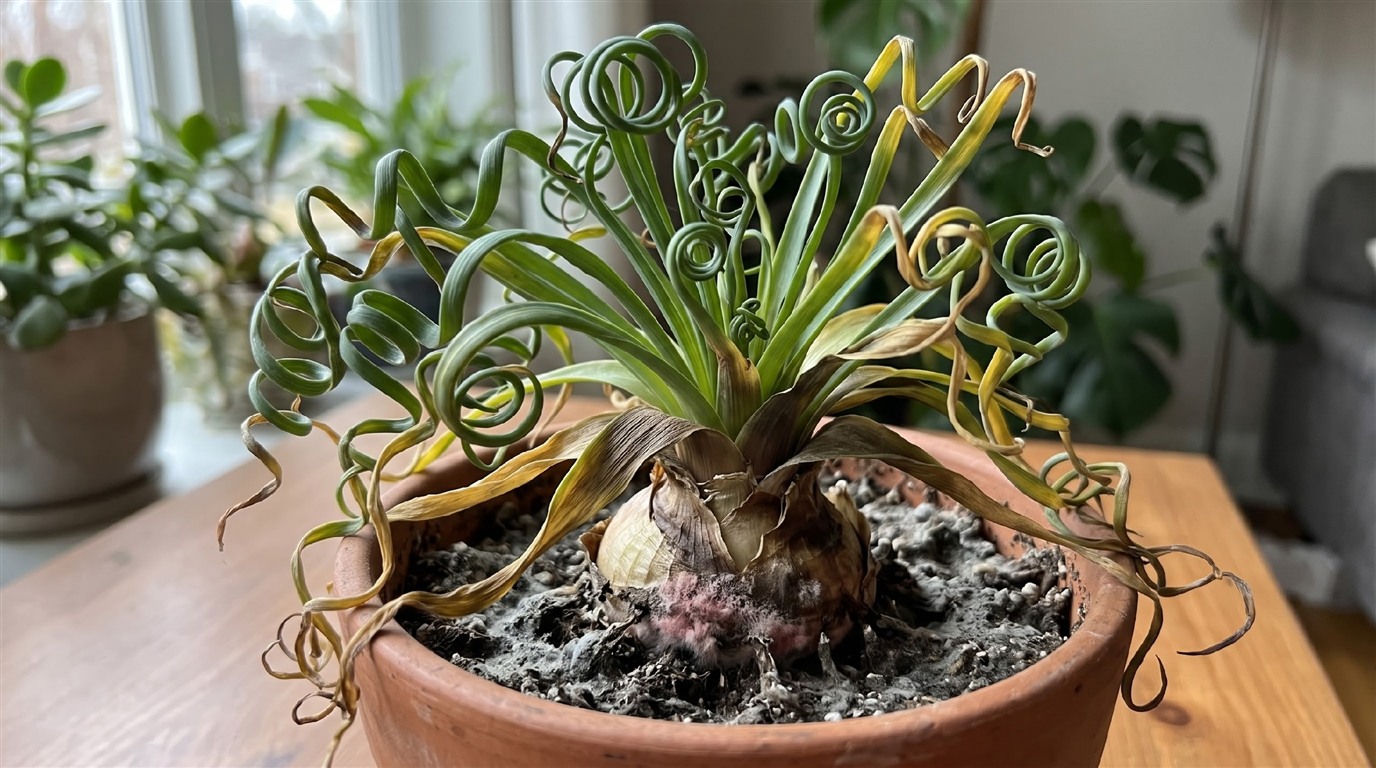
If yellowing occurs during autumn through spring (not the expected summer dormancy), overwatering or poor drainage is the most likely cause. Check whether the soil is staying wet too long. Also check for bulb rot: soft, mushy areas at or below soil level.
Bulb Rot
Caused by excess moisture, especially during dormancy. Signs: soft texture when you squeeze the bulb, dark discoloration, foul smell. Prevention: always use fast-draining soil, reduce water to a bare minimum in summer. A rotted bulb cannot be saved, but healthy offsets around it can be salvaged if the rot has not spread.
Is Frizzle Sizzle Toxic to Cats and Dogs?
The honest answer: unclear, and the sources conflict.
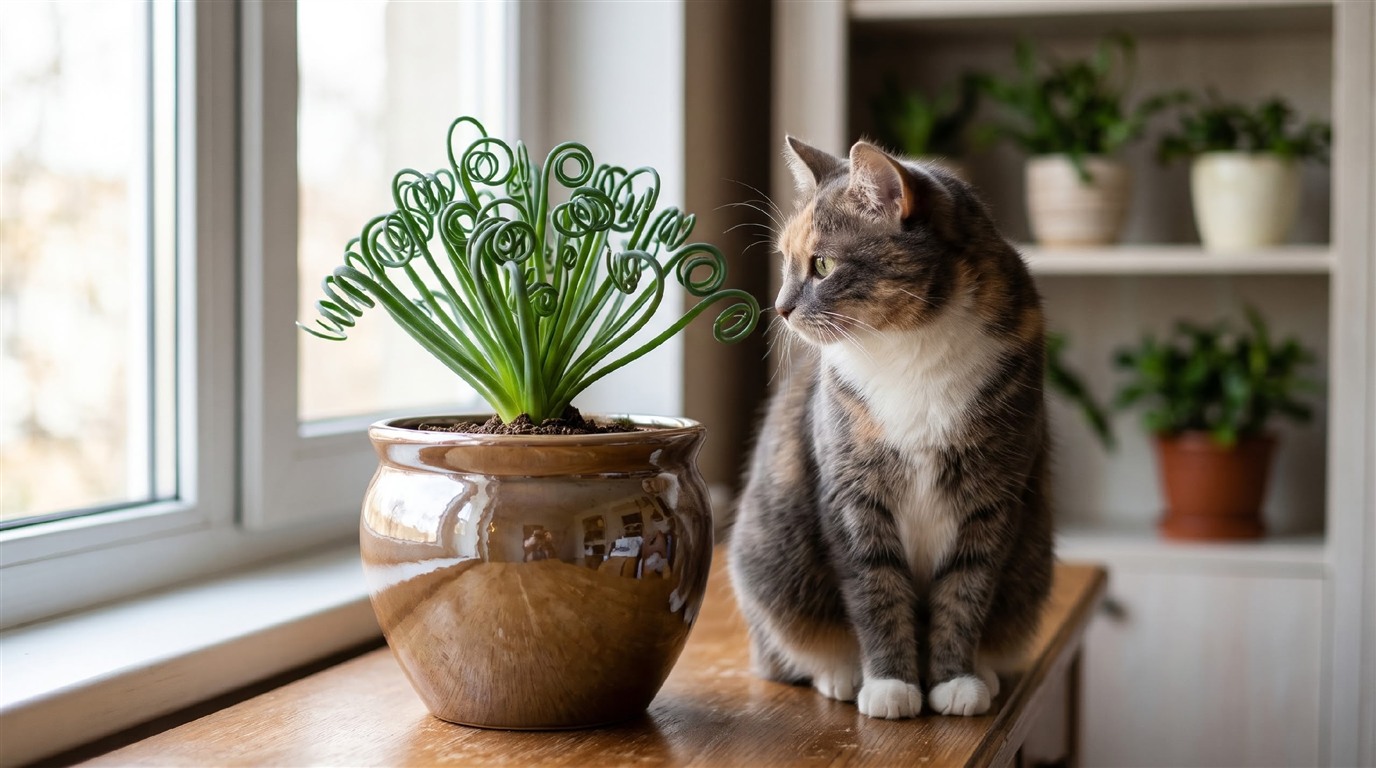
The ASPCA does not list Albuca spiralis in its toxic and non-toxic plant database, so there is no ASPCA verdict either way. The Royal Horticultural Society (RHS) lists it as potentially harmful: harmful if eaten and a skin irritant, for people and for pets (dogs and cats), and it advises wearing gloves when handling the plant. Gardening blogs disagree, with some calling it mildly toxic and others non-toxic.
Given that the RHS, a more authoritative botanical source than most houseplant blogs, flags ingestion as harmful, and given that no authoritative source has confirmed it as safe, treat Frizzle Sizzle as potentially toxic and keep it out of reach of pets. If your pet ingests it, contact your vet. If you have a cat that chews plants, I would skip this one or keep it in a sunny room the cat cannot get into.
Common Mistakes With Frizzle Sizzle
Watering in summer. The plant is dormant and wants to be dry. Summer watering causes bulb rot, which kills the plant. Keep it dry from roughly May through September; a small sip for a shriveling bulb is the most it needs.
Putting it in indirect light. Unlike nearly every other popular houseplant, Frizzle Sizzle needs direct sun. A bright windowsill without direct light gives you straight, unimpressive leaves. Put it in the sunniest spot in your home.
Treating yellow leaves as a problem. Every spring, the leaves yellow and die back. This is the normal dormancy cycle, not a sign of disease or poor care. Do not increase watering or fertilize in response to yellowing in late spring.
Frequently Asked Questions
Why are my Frizzle Sizzle leaves not curling?
Overwatering or insufficient light are the two main causes. Ensure the soil dries slightly between waterings and provide at least 5 hours of direct sun. New leaves curl better once conditions improve; leaves that already grew straight usually stay that way.
Does Frizzle Sizzle come back every year?
Yes. The leaves die back every summer, but the bulb survives underground and regrows in autumn when temperatures cool. Keep the bulb dry through summer, as the RHS advises for dormant bulbs.
When does Frizzle Sizzle bloom?
Late winter to early spring, typically February or March. Mature bulbs produce sweetly scented, nodding yellow-green flowers on stalks above the spiraling leaves.
Can I grow Frizzle Sizzle outdoors?
Yes, where winters are mild: most plant references put it at about USDA zones 9–11, with zone 8 possible in a sheltered, dry spot. Plant in a sunny, well-drained spot. In colder climates, grow in a pot and bring indoors before frost. Lift the bulb and store dry during summer if your outdoor summers are hot and wet.
How do I propagate Frizzle Sizzle?
By separating offsets. After the plant matures, small bulblets form around the base of the main bulb. Separate them when repotting in autumn and pot individually in fast-draining soil. They may take a few seasons to reach flowering size.