Lemon trees are more forgiving than their reputation suggests — but only if you get a few basics right. Light, watering, and soil are where most people go wrong, and the fixes are almost always straightforward once you know what to look for.
This guide covers everything you need to keep a lemon tree healthy, whether it’s growing in a pot on your patio, overwintering on a south-facing windowsill, or producing fruit in your backyard. It also covers the problems that nobody warns you about — yellowing leaves, flowers that drop before setting fruit, and the specific needs of indoor trees that most care guides gloss over.
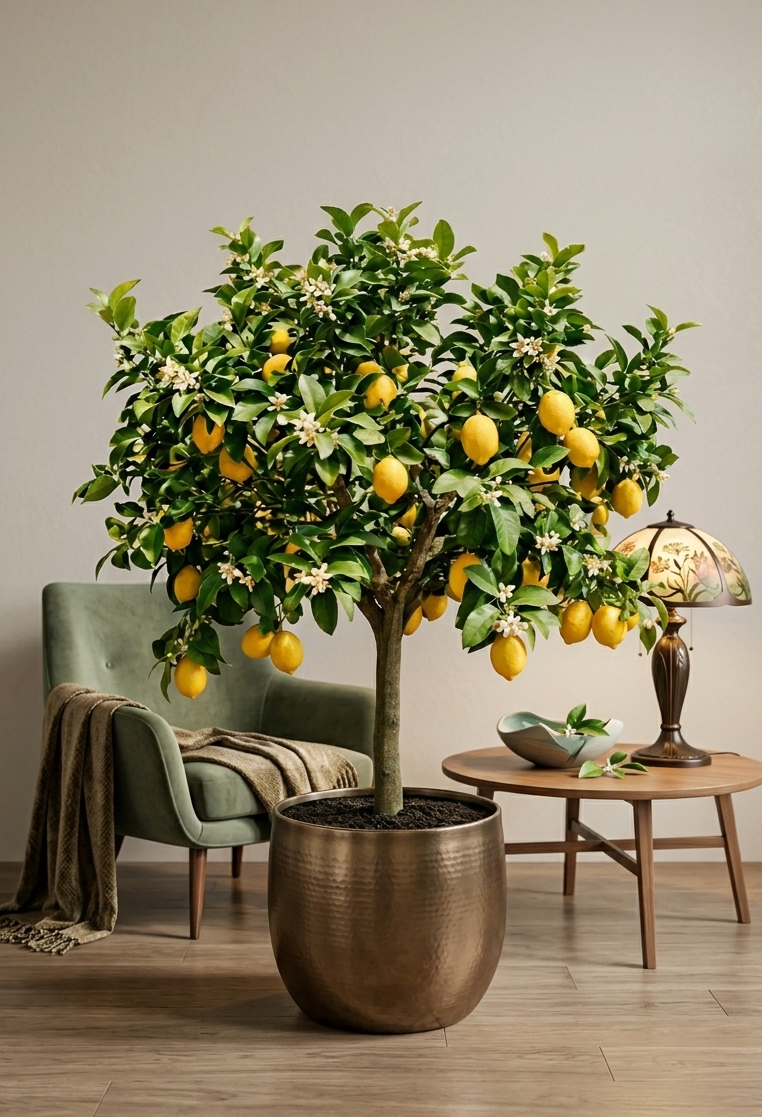
Lemon Tree Care Quick Reference
| Care Factor | What You Need |
|---|---|
| Sunlight | 8–12 hours direct sun; 6 hours minimum for containers |
| Watering | When top 2 inches of soil are dry; less in winter |
| Soil | Well-draining citrus mix, pH 5.5–6.5 |
| Fertilizer | High-nitrogen citrus fertilizer, spring through early fall |
| Temperature | 55–95°F; bring indoors below 50°F |
| Humidity | 30–60%; aim for ~50% for indoor trees |
| Pruning | Late winter or early spring before new growth |
| Hardiness zones | 9–11 outdoors year-round; 4–11 in containers |
Best Lemon Tree Varieties for Home Growers
The variety you choose matters more than most guides admit — different types have different cold tolerance, fruiting windows, and container suitability. Here’s what actually grows well for home gardeners in the US.
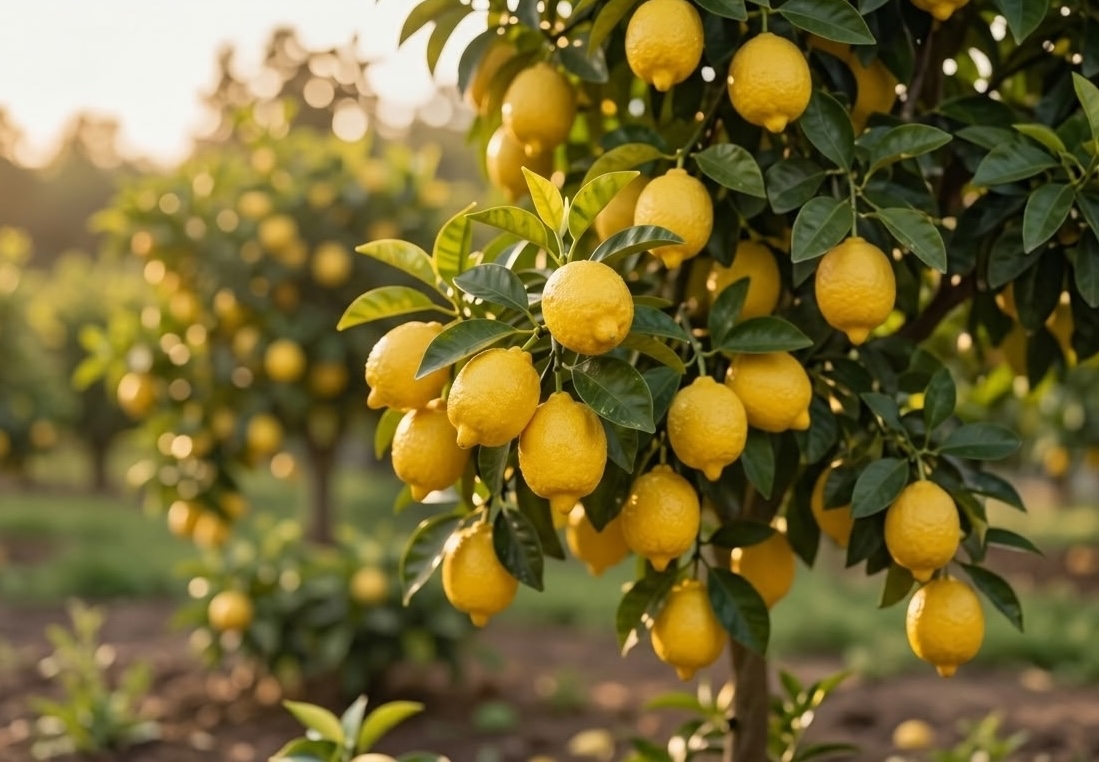
| Variety | Best For | Cold Tolerance | Fruiting |
|---|---|---|---|
| Meyer Lemon | Containers, indoors, beginners | 22°F (more cold-tolerant than true lemons) | Nearly year-round |
| Eureka | Outdoor gardens, zones 9–11 | 28–32°F | Spring and fall flushes |
| Lisbon | Hot, dry climates | Similar to Eureka | Main crop in winter |
| Dwarf Varieties | Small spaces, pots, indoor use | Variety-dependent | Depends on rootstock |
Meyer Lemon: The Best Choice for Most Home Growers
Meyer lemons are likely a hybrid of lemon and mandarin orange, which makes them slightly sweeter, thinner-skinned, and significantly more cold-tolerant than true lemons. They’re the most forgiving variety for containers and indoor growing, they fruit nearly year-round with the right care, and their edible skin is a bonus most people don’t know about. If you’re not sure which variety to start with, start here. I’ve kept an Improved Meyer on a south-facing windowsill through three winters — it dropped a third of its leaves the first year, then settled in and hasn’t looked back.
Eureka and Lisbon: The Classic Lemons
These are the lemons you find in grocery stores. They’re bigger, more acidic, and require more heat than Meyer to fruit well. Eureka is a bit more cold-sensitive and better suited to mild coastal climates; Lisbon handles heat and wind better and is a stronger choice for hot regions like Arizona or inland California. Both need to stay above freezing to survive.
Dwarf Varieties for Containers
Dwarf lemon trees are grafted onto dwarfing rootstock, which limits their mature height to 6–10 feet instead of the 20+ feet of standard trees. For container growing, this matters — a dwarf Meyer in a 15-gallon pot can stay productive for 10 or more years with proper root pruning. When you’re shopping, “Improved Meyer Lemon” is the variety most commonly sold in US nurseries, and it’s a good choice.
How Much Sunlight Does a Lemon Tree Need?
More than most people give them. Lemon trees need a minimum of 6 hours of direct sunlight per day to survive — 8 to 12 hours to fruit reliably. This is the single biggest reason indoor and container-grown lemon trees fail to produce fruit: they’re getting light, but not enough of it.
Outdoors, place your tree in full sun away from structures that cast afternoon shade. Indoors, a south- or southwest-facing window is your best option. If your brightest window still gets less than 6 hours of direct sun in winter, a full-spectrum grow light (6500K) run for 12–14 hours a day will compensate. In my experience, this makes a bigger difference to fruit production than almost anything else you can do for an indoor tree.
Watering Your Lemon Tree
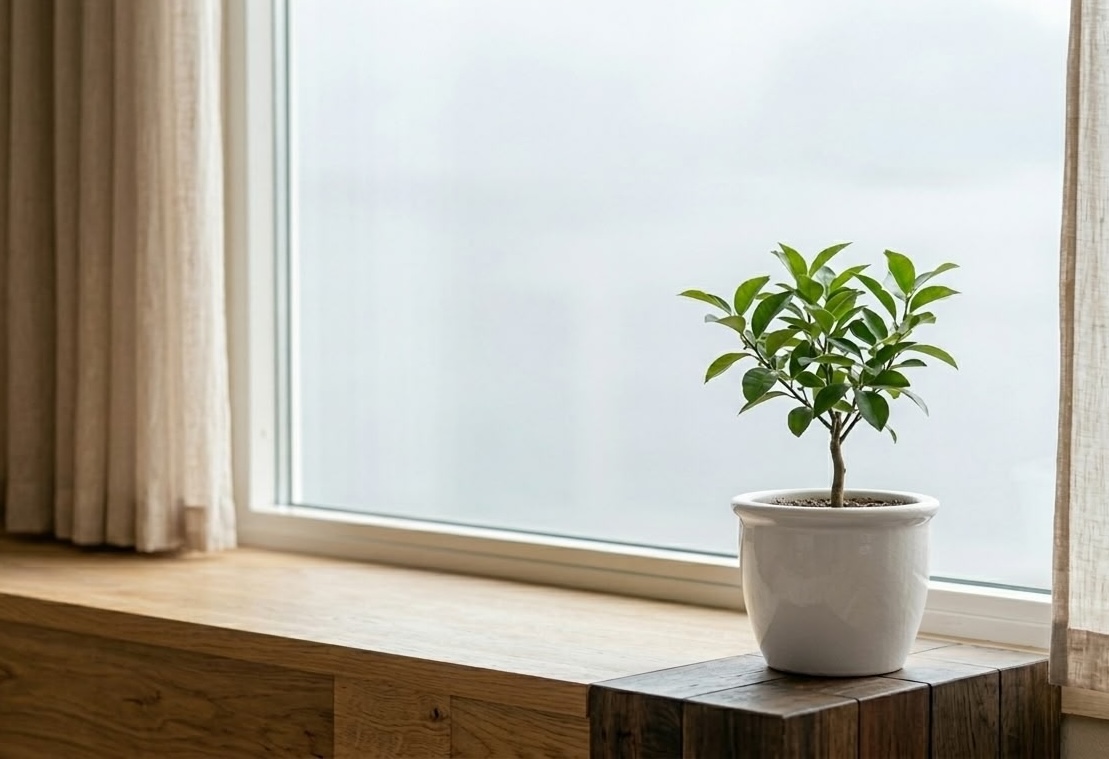
How Often Should You Water a Lemon Tree?
The right answer depends on your pot size, soil, temperature, and season — not a fixed schedule. The most reliable method: stick your finger 2 inches into the soil. If it feels dry, water thoroughly until it drains from the bottom. If it still feels moist, wait another day or two.
In general, most container lemon trees need watering every 3–5 days in summer — and in peak heat, possibly every 1–2 days. In winter, every 10–14 days is typical when growth slows. In-ground trees in hot climates may need deep watering twice a week during peak summer heat.
Overwatered vs. Underwatered: How to Tell
These two problems look similar — both cause yellowing leaves and a droopy plant — but the fixes are opposite. Here’s how to tell them apart:
| Symptom | Overwatered | Underwatered |
|---|---|---|
| Leaves | Yellow, soft, falling off | Yellow, dry, curling inward |
| Soil | Wet, compacted, possibly smelling musty | Bone dry, pulling away from pot edges |
| Stems | Soft, possibly dark at base | Firm but brittle |
| Fix | Let dry out fully; check drainage | Water deeply, then return to schedule |
Overwatering is more common and more damaging — it leads to root rot, which can kill a tree quickly. The first lemon tree I lost wasn’t from cold or neglect. It was from watering on a fixed schedule instead of checking the soil first. If you suspect root rot (soft dark roots, musty smell), unpot the tree, trim affected roots, and repot in fresh well-draining soil.
Soil and Potting Mix
The most common potting mistake is using standard potting mix straight from the bag. It retains moisture well — which is exactly the problem. Lemon tree roots need to dry out between waterings, and soil that stays damp for days sets up root rot faster than almost anything else. Use a mix specifically labeled for citrus, or make your own: equal parts potting soil, perlite, and coarse sand gives you the drainage lemon trees actually need.
Soil pH matters more than most lemon tree guides admit. The target range is 6.0 to 6.5 — at that level the tree can access the nutrients you’re feeding it. Drop below 5.5 and you’ll see iron and manganese deficiencies even when you’re fertilizing on schedule, because the chemistry that makes those nutrients available shuts down. If you’re having unexplained yellowing and your care routine seems right, test the pH before buying more fertilizer.
For in-ground planting, clay-heavy soil is a real problem. If you’re stuck with it, plant on a slight raised mound rather than in a flat-bottomed hole — it keeps the root zone from sitting in pooled water after heavy rain.
Fertilizing a Lemon Tree
Skip the general-purpose fertilizer. Lemon tree care specifically requires citrus-formulated fertilizers because lemons need micronutrients — iron, manganese, zinc — that general products don’t include. Your tree can look perfectly healthy for months on a standard 10-10-10 formula and still be quietly locked out of trace elements it needs to fruit.
During the growing season (roughly March through September), apply a citrus fertilizer monthly. In fall, drop to every six to eight weeks. For trees that go semi-dormant in winter, stop altogether — fertilizing a dormant tree just wastes product and can push soft growth that gets damaged in cold. Container trees in warm climates that stay active year-round can continue at reduced rates through winter.
The timing mistake that kills fruit set: applying high-nitrogen fertilizer when the tree is in bloom. Nitrogen at that stage tells the tree to grow leaves, not fruit. As soon as you see flower buds forming, switch to a lower-nitrogen, higher-potassium formula and stay on it until the fruit is well established. This one caught me out the first year — I was fertilizing consistently, the tree was lush and green, and it barely set any fruit.
Pruning a Lemon Tree
Lemon tree care doesn’t require much pruning — that’s the main thing to understand going in. Most of the work is about removing what’s wasting the tree’s energy, not sculpting the shape. Late winter or early spring is the right window, just before new growth pushes out.
Start with anything dead or crossing, then look for two specific things: growth below the graft union and water sprouts. Shoots below the graft union come from the rootstock — they grow fast, look vigorous, and will gradually take over the tree if you leave them. Remove them flush to the trunk as soon as you spot them. Water sprouts are the fast-growing vertical shoots that shoot straight up from main branches; they consume a lot of energy and rarely produce fruit.
Beyond that, resist the urge to do a big annual cut. Removing a large portion of the canopy at once stresses the tree, triggers a flush of unproductive vegetative growth, and sets fruit production back. For container trees especially, a light cleanup once a year — removing what’s dead, crowded, or pointing the wrong way — does more good than a dramatic shaping session.
Growing Lemon Trees Indoors
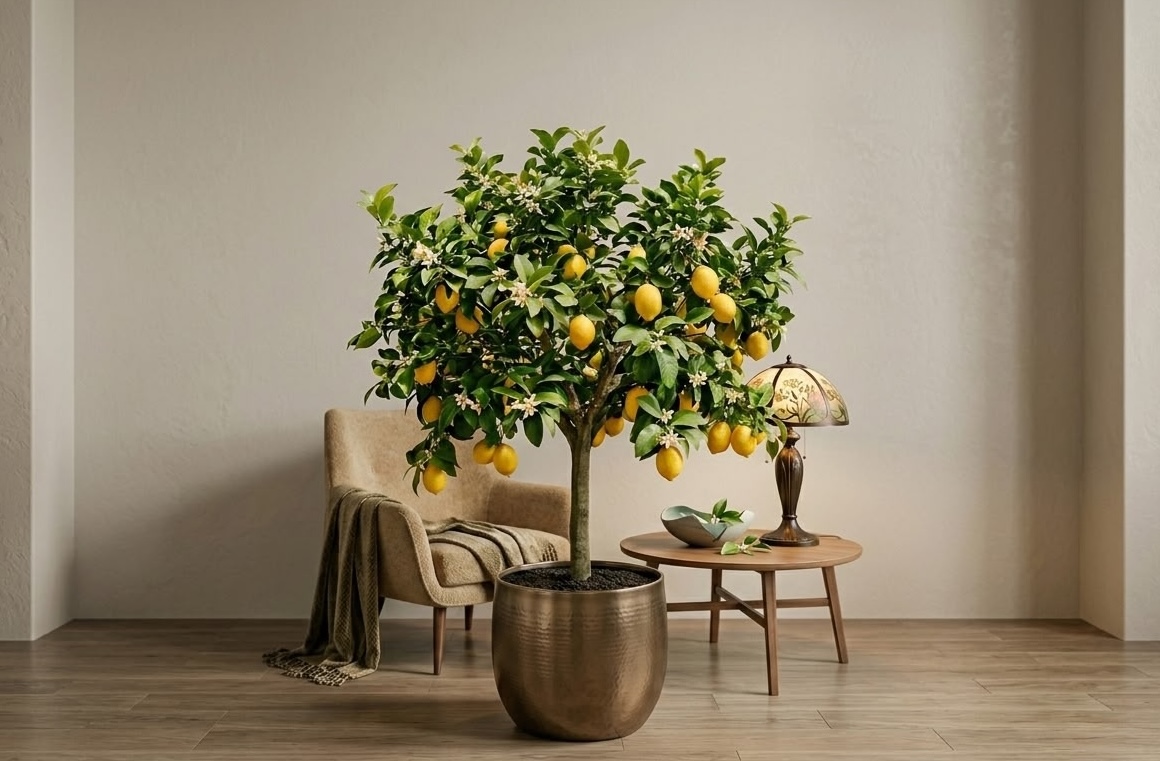
Light and Placement Indoors
A south-facing window is the minimum for indoor lemon trees. Even then, light levels drop significantly in winter in most of the US. If your tree isn’t near a bright south window, supplementing with a grow light isn’t optional — it’s necessary for fruiting. Full-spectrum LEDs in the 6000–6500K range, run 12–14 hours a day, positioned 12–18 inches above the canopy work well.
When you move a tree from indoors to outdoors in spring, don’t put it in full sun immediately. Leaves adapted to indoor light will burn within days. Spend a week transitioning it through increasing light levels — shade, then filtered sun, then full sun.
Do You Need to Hand-Pollinate an Indoor Lemon Tree?
Yes, if you want fruit. Outdoor trees rely on bees and wind. Indoor trees get neither. When your tree blooms, use a small soft paintbrush or cotton swab to transfer pollen from flower to flower, mimicking what a bee would do. Do this on multiple days while flowers are open — I do a quick pass every morning during bloom, which takes about two minutes and makes a noticeable difference in how many fruit set. Without it, flowers will drop without setting fruit — the most common complaint from indoor lemon tree growers.
Humidity and Temperature
Lemon trees do well at 30–60% relative humidity indoors, with around 50% as a comfortable target. Most heated homes run at 30–40% in winter — on the dry end of that range — which is why trees often look stressed. A humidifier near the tree (not misting the leaves — that promotes fungal issues) is the most effective fix. Avoid placing the tree near heating or air conditioning vents, which create dry air pockets that stress the tree even when the overall room humidity is fine.
Keep indoor temperatures between 55 and 85°F.
Repotting: Container lemon trees need repotting every 2–3 years, or when roots start emerging from drainage holes. Move up one pot size at a time — jumping to a much larger pot encourages root growth over fruit production. Spring through midsummer is the right window; avoid repotting in winter or during flowering.
Brief dips below 50°F won’t kill a Meyer lemon, but consistent cold causes leaf drop and stops growth.
Lemon Tree Care by Season
| Season | Key Tasks |
|---|---|
| Spring | Resume fertilizing; prune before new growth; begin moving container trees outdoors gradually |
| Summer | Water deeply and consistently; fertilize monthly; hand-pollinate if indoors; watch for pests |
| Fall | Reduce fertilizing; bring container trees inside before first frost; check for pests before moving indoors |
| Winter | Minimal watering; no fertilizer for dormant trees; supplement light for indoor trees; maintain humidity |
Why Are Lemon Tree Leaves Turning Yellow?
Yellow leaves are the most common lemon tree complaint — and they have at least six different causes. The pattern of yellowing tells you which one you’re dealing with:
| Pattern | Likely Cause | Fix |
|---|---|---|
| Older leaves yellow uniformly | Nitrogen deficiency | Apply high-nitrogen citrus fertilizer |
| New leaves yellow, veins stay green | Iron deficiency (pH too high) | Test soil pH; lower with sulfur if above 6.5 |
| Yellowing between veins, all leaves | Magnesium deficiency | Epsom salt soil drench; dosage varies by soil type — follow label |
| Yellow + soft leaves + wet soil | Overwatering / root rot | Let dry out; check roots; improve drainage |
| Yellow + dry/curling leaves + dry soil | Underwatering | Water deeply; adjust schedule |
| Random yellowing, sticky residue | Pest damage (scale, aphids) | Neem oil or insecticidal soap spray |
One thing worth knowing: lemon trees naturally shed older leaves as new growth appears, especially in spring. I’ve panicked over this more than once before realizing the new growth at the tips looked perfectly healthy — that’s usually the giveaway that it’s normal turnover, not a problem. If the yellowing is limited to a handful of the oldest lower leaves while the rest of the tree looks healthy, it’s probably just normal leaf turnover, not a problem.
Why Isn’t My Lemon Tree Producing Fruit?
This frustrates more lemon tree owners than anything else. Here are the most common reasons — and they’re usually fixable:
- Tree is too young. Grafted trees typically start fruiting within 1–3 years. Seed-grown trees take 7–10 years. If you grew yours from a seed, that’s likely the answer.
- Not enough light. A tree that isn’t getting 6+ hours of direct sun won’t fruit reliably, even if it looks healthy.
- Too much nitrogen. High-nitrogen fertilizer during flowering pushes leaf growth at the expense of fruit. Switch to a lower-nitrogen formula at bloom time. This one caught me out the first year — I was fertilizing consistently, the tree was lush and green, and it barely set any fruit.
- No pollination indoors. Without hand-pollination, indoor trees won’t set fruit. Flowers appear and drop within days if not pollinated.
- Blossom drop from stress. Cold drafts, sudden temperature changes, overwatering, or repotting during bloom all cause flowers to drop before setting. Stability matters — don’t repot or move the tree when it’s flowering.
- Biennial bearing. Trees that fruited heavily last year sometimes take a lighter year to recover — though this is more common in mandarins than in lemons. If it happens once, it’s probably not a problem.
Common Pests on Lemon Trees
Lemon trees attract a predictable set of pests, and most of them show up on the undersides of leaves first — which is why catching them early means flipping leaves over and actually looking, not just glancing at the tree from across the room. Check every week or two during the growing season.
- Scale insects — look like small brown or tan bumps stuck to stems and leaf undersides. Easy to miss because they don’t move. Remove by hand with a cotton swab dipped in rubbing alcohol, or apply neem oil to the whole plant.
- Aphids — soft-bodied, clustered on new growth, sometimes sticky residue on leaves below them. A strong jet of water knocks most off; follow up with insecticidal soap if they keep coming back.
- Spider mites — you’ll see fine webbing between leaves before you see the mites themselves. They thrive in dry conditions and get much worse on indoor trees in winter. Increase humidity and treat with neem oil.
- Citrus leafminer — silvery squiggly trails on new leaf surfaces as the larvae tunnel through. Prune off badly affected new growth and apply neem oil to deter egg-laying on the next flush.
One thing to do before moving an outdoor lemon tree inside for winter: spend five minutes inspecting it properly and treat anything you find. An infested tree moved indoors shares a confined space with your other plants for months — a small problem outside becomes a large one inside.
Lemon Tree Care Mistakes to Avoid
Most lemon tree problems come back to the same handful of mistakes. If your tree is struggling, check these first before reaching for fertilizer or a new product.
- Watering on a fixed schedule. Watering every X days regardless of soil moisture is the most common way to kill a lemon tree. The soil, pot size, temperature, and season all change how fast the tree dries out. Check the top 2 inches before every watering.
- Not enough light indoors. A lemon tree that gets 4 hours of sun near a window will survive but won’t fruit. Most people underestimate how much light drops in winter — a bright summer window becomes a dim winter one. If your tree is indoors year-round, a grow light isn’t optional.
- Fertilizing during flowering. High-nitrogen fertilizer applied while the tree is in bloom pushes vegetative growth at the expense of fruit set. Switch to a low-nitrogen formula as soon as you see buds forming.
- Moving or repotting during bloom. Any significant disruption — repotting, moving to a new location, a sudden temperature change — causes flower drop before fruit can set. Leave the tree alone while it’s flowering.
- Skipping hand-pollination indoors. This one silently kills fruit production for indoor growers. No bees + no wind = no fruit, even on a healthy tree with plenty of flowers. A 2-minute daily pass with a paintbrush during bloom is the fix.
Frequently Asked Questions
How often should you water a lemon tree in a pot?
Water when the top 2 inches of soil feel dry — usually every 5–7 days in summer and every 10–14 days in winter. Always water thoroughly until it drains from the bottom, then let the soil dry out partially before watering again. Consistent overwatering is the most common way to kill a potted lemon tree.
Can lemon trees grow indoors year-round?
Yes — Meyer lemon trees in particular do well as permanent indoor plants, provided they get enough light. A south-facing window plus a grow light in winter is the most reliable setup. Without adequate light, the tree will survive but won’t produce fruit reliably.
Why are my lemon tree flowers falling off?
The most common cause for indoor trees is lack of pollination — without bees or wind, flowers drop without setting fruit. Hand-pollinate with a small paintbrush while flowers are open. Other causes include temperature stress, overwatering, or moving the tree while it’s in bloom. Keep conditions stable during the flowering period.
What is the best lemon tree for growing in a pot?
Meyer lemon is the best choice for most people — it’s more cold-tolerant than true lemons, fruits nearly year-round, and adapts well to container life. Improved Meyer Lemon is the most widely available variety in US nurseries and a reliable starting point for beginners.
How long does it take for a lemon tree to produce fruit?
Grafted trees typically start producing fruit within 1–3 years of planting. Seed-grown trees take significantly longer — usually 10–15 years before they fruit. Most trees sold in nurseries are grafted, so if yours came from a garden center, you should see fruit within a few years given proper care.