How to Care for Satin Pothos (Scindapsus Pictus)
Complete satin pothos care guide with verified light, water, humidity, and soil requirements — all cultivars compared, common problems fixed, and what ASPCA says about toxicity to cats.
Houseplant care guides covering ZZ plants, ficus varieties, and more — watering, light requirements, propagation methods, and pet safety. Written for indoor plant growers at every level.
Complete satin pothos care guide with verified light, water, humidity, and soil requirements — all cultivars compared, common problems fixed, and what ASPCA says about toxicity to cats.
Croton (Codiaeum variegatum) is one of the most visually striking houseplants you can grow indoors — bold reds, yellows, oranges, and greens packed into dramatic, variegated leaf patterns. It is also one of the most commonly misunderstood. Most care problems trace back to two things: the colors fade because the light isn’t strong enough, and … Read more
String of turtles (Peperomia prostrata) might be the most misunderstood small trailing plant you can buy. It looks like a succulent — the round patterned leaves, the trailing stems, the compact size. And plenty of care guides online will tell you to treat it like one. That advice is why so many string of turtles … Read more
The short answer: yes, bird of paradise is toxic to cats. But the full answer matters more than the headline — because two completely different plants share this common name, and their toxicity profiles are not the same. One causes mild GI upset; the other is significantly more dangerous. If you have a cat and … Read more
Hoya carnosa — also called wax plant or honey plant — is one of the most rewarding houseplants once you understand its rhythm. It grows slowly, blooms on its own schedule, and will punish one specific mistake by never flowering again. This guide covers everything hoya carnosa actually needs to thrive: the right light, how … Read more
Calathea is non-toxic to cats and dogs — this is confirmed by the ASPCA, the leading authority on pet poisoning in the United States. If you’re trying to decide whether to bring a calathea home, the answer on toxicity is clear: it’s safe. That said, “non-toxic” has a specific meaning in veterinary terms, and it … Read more
Yes — pothos is toxic to cats. The ASPCA lists it as toxic to cats, dogs, and horses, with the culprit being insoluble calcium oxalates embedded throughout the plant’s tissue. If your cat chews on a pothos leaf, these crystals cause immediate irritation to the mouth, throat, and digestive tract. This guide covers exactly what … Read more
The nerve plant has a well-earned reputation for being the most dramatic houseplant in any room. When it gets thirsty, it doesn’t signal distress subtly — it collapses completely, leaves lying flat against the soil as though the plant has given up entirely. Water it within the hour, and it stands back up like nothing … Read more
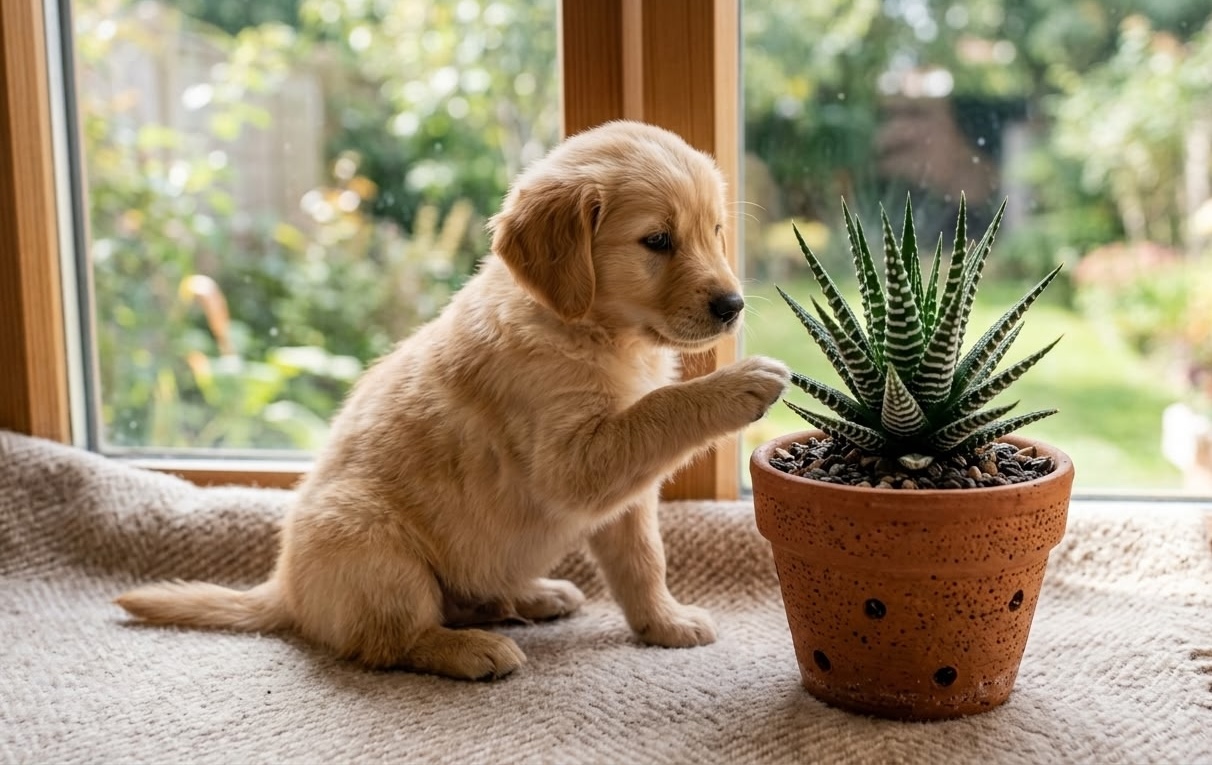
Three very different plants go by the name “zebra plant” — and if your cat or dog has chewed on one, you need a specific answer for the plant you actually have. Short version: all three plants commonly sold as zebra plant are non-toxic to cats and dogs according to the ASPCA. Here is the … Read more
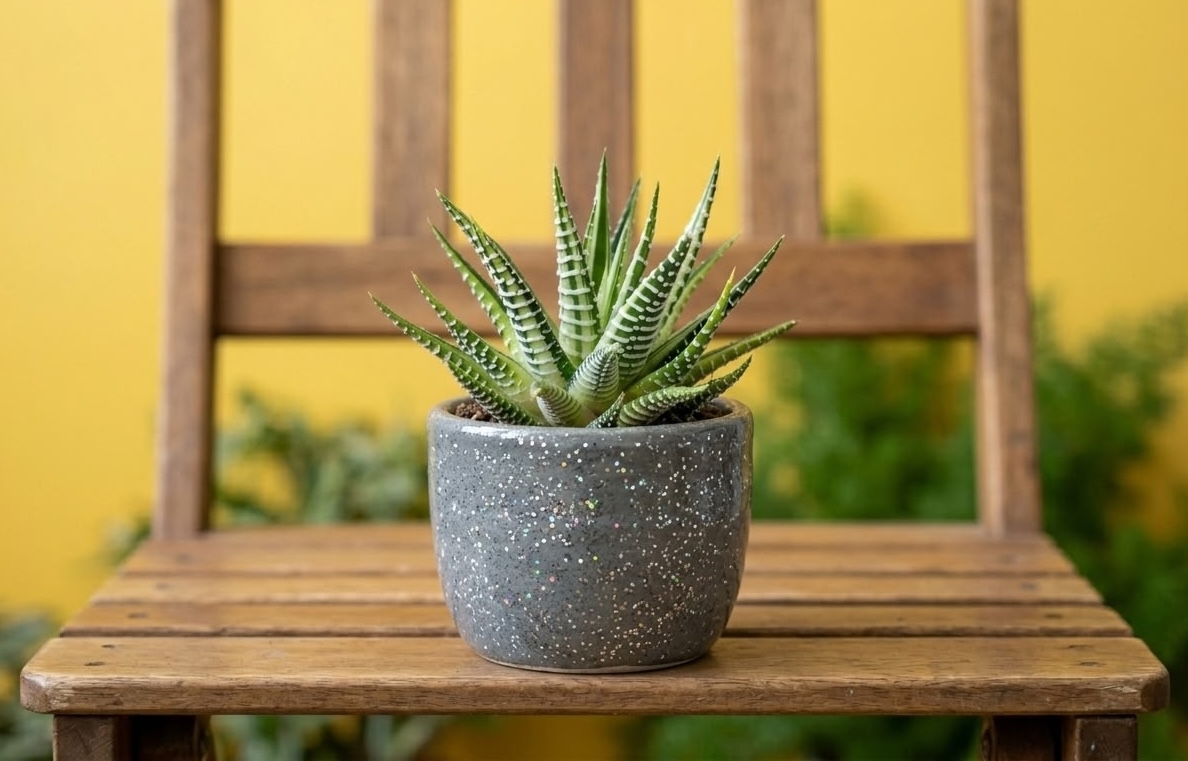
Haworthia fasciata is one of the easiest succulents you can grow — compact, slow-growing, and genuinely forgiving of neglect. It is also one of the most common plants sold as “zebra plant” at garden centers, which causes real confusion: the other zebra plant, Aphelandra squarrosa, needs constant moisture and high humidity. Haworthia fasciata needs the … Read more