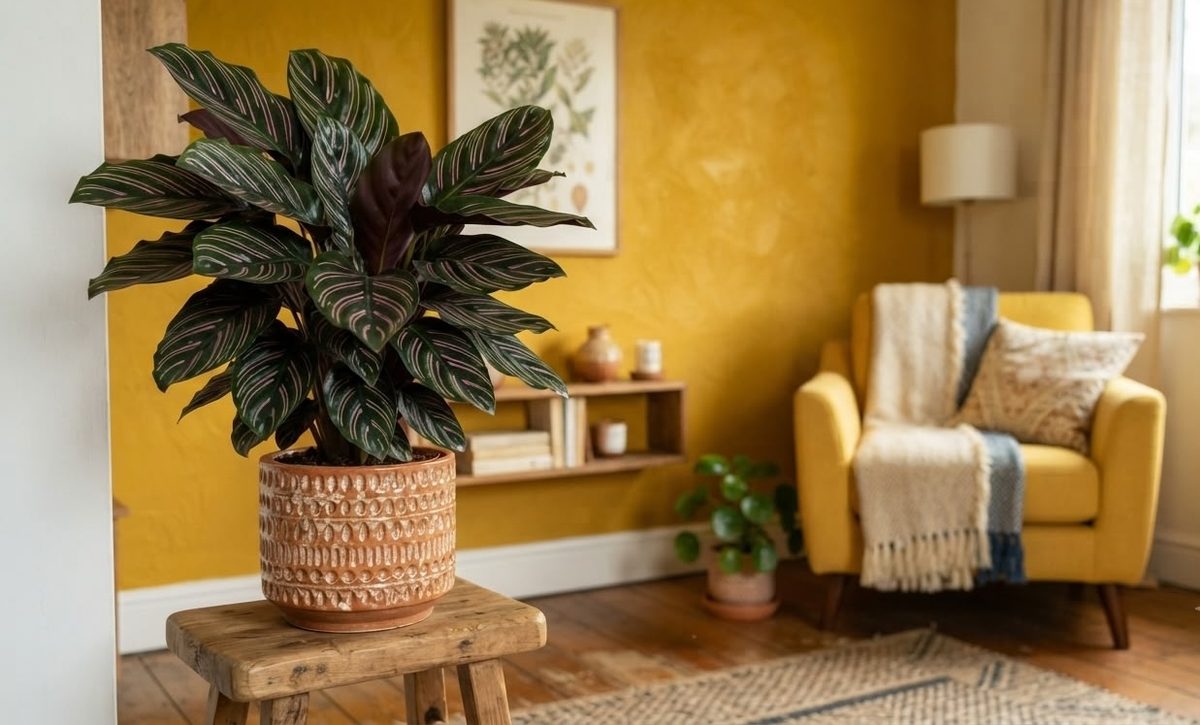
Calathea is non-toxic to cats and dogs. The ASPCA, which runs the Animal Poison Control Center in the United States, lists it as non-toxic to cats, dogs and horses. If you’re trying to decide whether to bring a calathea home, the answer on toxicity is clear: it’s safe. That said, “non-toxic” has a specific meaning in veterinary terms, and it doesn’t mean a curious cat chewing on the leaves will have zero reaction. This guide covers what the ASPCA classification actually means, what to realistically expect if your cat eats calathea, and how to keep both your plant and your pet happy.
Is Calathea Safe for Cats? The Direct Answer
Yes, calathea is safe for cats. The ASPCA lists calathea (Calathea spp.) as non-toxic to cats, dogs, and horses. “Non-toxic” here means the plant is not known to poison pets. The ASPCA does add that eating any plant material may cause vomiting and stomach upset. Calathea is not linked to kidney failure, liver damage, neurological effects, or any of the serious outcomes associated with truly dangerous houseplants.
Looking for full care instructions instead? See our Calathea ornata care guide.
Compare this to genuinely toxic plants commonly kept indoors: peace lilies (Spathiphyllum) contain insoluble calcium oxalates that cause oral irritation, drooling and vomiting (they are not true lilies, but they are still toxic); pothos (Epipremnum aureum) contains insoluble calcium oxalates that cause intense burning; philodendron species are similarly toxic. Calathea shares none of these properties. It belongs in the same safe category as spider plants and Boston ferns, plants you can keep in a home with cats without concern about poisoning.
Can Eating Calathea Still Upset a Cat’s Stomach?
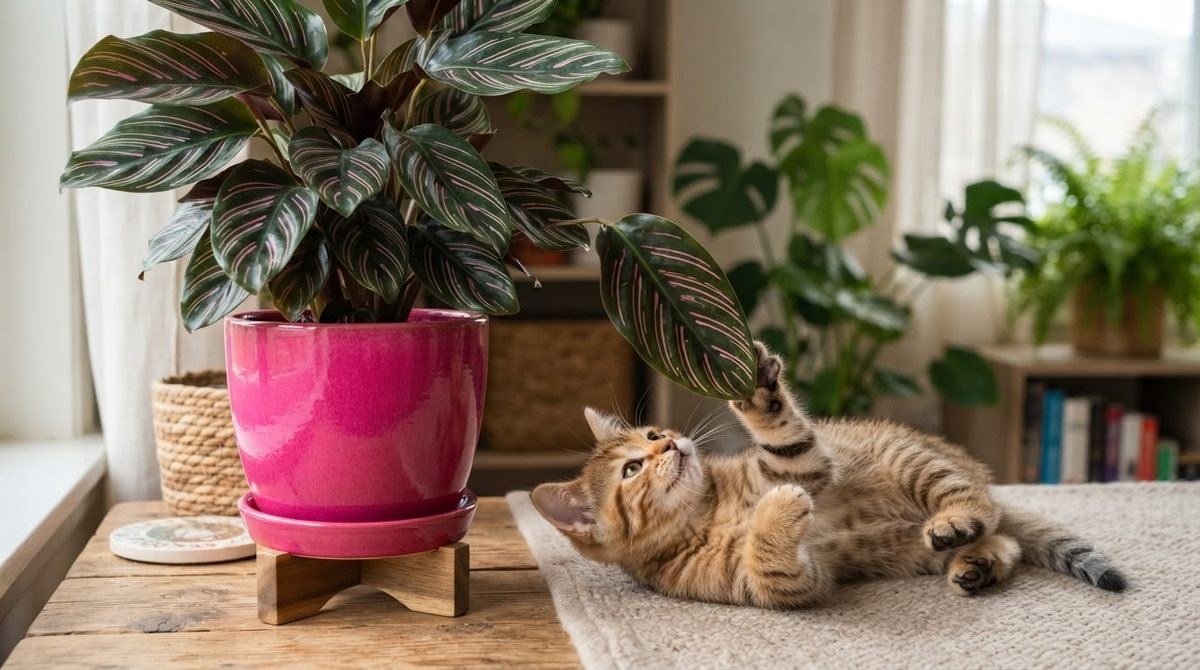
Possibly, and this is the nuance that “non-toxic” doesn’t fully capture. Calathea leaves are large, fibrous, and not something a cat’s digestive system is built to process efficiently. If a cat eats a small amount (a few bites out of curiosity), nothing is likely to happen. If a cat eats a significant portion of a leaf or several leaves, the plant fiber can cause mild, temporary gastrointestinal upset: loose stool or a bout of vomiting. This is mechanical irritation from plant matter moving through the gut, not poisoning.
The distinction matters because the response is fundamentally different from toxic plant ingestion. With some toxic plants, symptoms can get worse over hours, may need treatment, and in the worst cases (true lilies in cats) can damage organs. With calathea, any GI response is typically self-limiting and should settle on its own without treatment. The cat’s digestive system works through the plant material and returns to normal.
When to call a vet: if vomiting or diarrhea is severe, if symptoms last longer than 24 hours, or if your cat seems lethargic or refuses to eat. These could indicate something else is going on, or that the quantity eaten was unusually large. But for a typical “my cat chewed a calathea leaf” situation, watchful waiting is appropriate. If you can’t be sure the plant was a calathea, I would call the ASPCA Animal Poison Control Center at (888) 426-4435 (a consultation fee may apply) or the Pet Poison Helpline at (855) 764-7661 (an incident fee applies) rather than wait, and I wouldn’t try to make the cat vomit at home.
Are All Calathea Varieties Safe for Cats?
Yes, as far as is known. The ASPCA lists calathea at genus level (Calathea spp.) as non-toxic, not just one species, and none of the popular calatheas are known to be toxic. Many of them have been moved botanically to the genus Goeppertia, but they are still sold as “calathea”, and the name change does not change their safety. Whether you have a common orbifolia or a rarer variety, the safety status is the same. Note that this covers calathea only: related plants such as stromanthe are not covered by the ASPCA calathea entry, so check them separately. Here’s a quick look at the most popular varieties.
Calathea Orbifolia
One of the most sought-after houseplants, orbifolia has large, round leaves with bold silver-green stripes that catch the light beautifully. It’s a statement plant that grows slowly but can reach impressive size. Non-toxic to cats and dogs, like the other calatheas on this list.
Calathea Ornata (Pinstripe Calathea)
Ornata has deep green leaves decorated with delicate pink or white pinstripes running parallel to the leaf veins. Young leaves show the pinstripes most vividly; they fade slightly as the plant matures. Striking and non-toxic.
Calathea Medallion
Medallion is characterized by large oval leaves with an intricate pattern of deep green on top, a feathered medallion design in lighter green, and a bold burgundy-purple underside that’s visible when the leaves fold up at night. Non-toxic.
Calathea Zebrina
Zebrina has velvety, soft-textured leaves with alternating light and dark green stripes that run out from the midrib along the leaf veins, a pattern that earns it the zebra name. Note that this is calathea, not Aphelandra squarrosa (also called zebra plant), which is a completely different species. Calathea zebrina is non-toxic.
Calathea Lancifolia (Rattlesnake Plant)
Lancifolia has long, narrow, wavy-edged leaves with a pattern of irregular dark spots along the midrib, resembling a rattlesnake’s back. The undersides are deep purple. It’s one of the easier calathea varieties to grow. Botanically it is now Goeppertia insignis, and the ASPCA lists it as non-toxic to cats and dogs under the older name Calathea insignis (common name Rattle Snake Plant).
Calathea Makoyana (Peacock Plant)
Makoyana has oval leaves with an elaborate feather-like pattern of lighter oval shapes on a medium green background, mirroring on the underside in pink and purple tones. The intricate patterning is why it’s called the peacock plant. Non-toxic.
Is Prayer Plant (Maranta) Also Safe for Cats?
Yes, Maranta leuconeura, commonly called the prayer plant, is also non-toxic to cats and dogs according to the ASPCA. This is good news because maranta and calathea are closely related (both in the family Marantaceae), often look similar, and are frequently sold alongside each other in plant shops. Both fold their leaves upward at night, which is the “praying” behavior that gives maranta its common name.
If you’re building a collection of tropical foliage plants for a home with cats, calathea and maranta make an excellent combination. You get variation in leaf pattern, size, and growing habit, and both are confirmed safe by the ASPCA. The prayer plant is generally considered easier to care for than most calathea varieties, making it a good starting point if you’re new to this plant family. If I were starting a cat-safe plant shelf from scratch, I would buy a maranta first and add calatheas once the watering routine felt easy.
Is Calathea Toxic to Dogs?
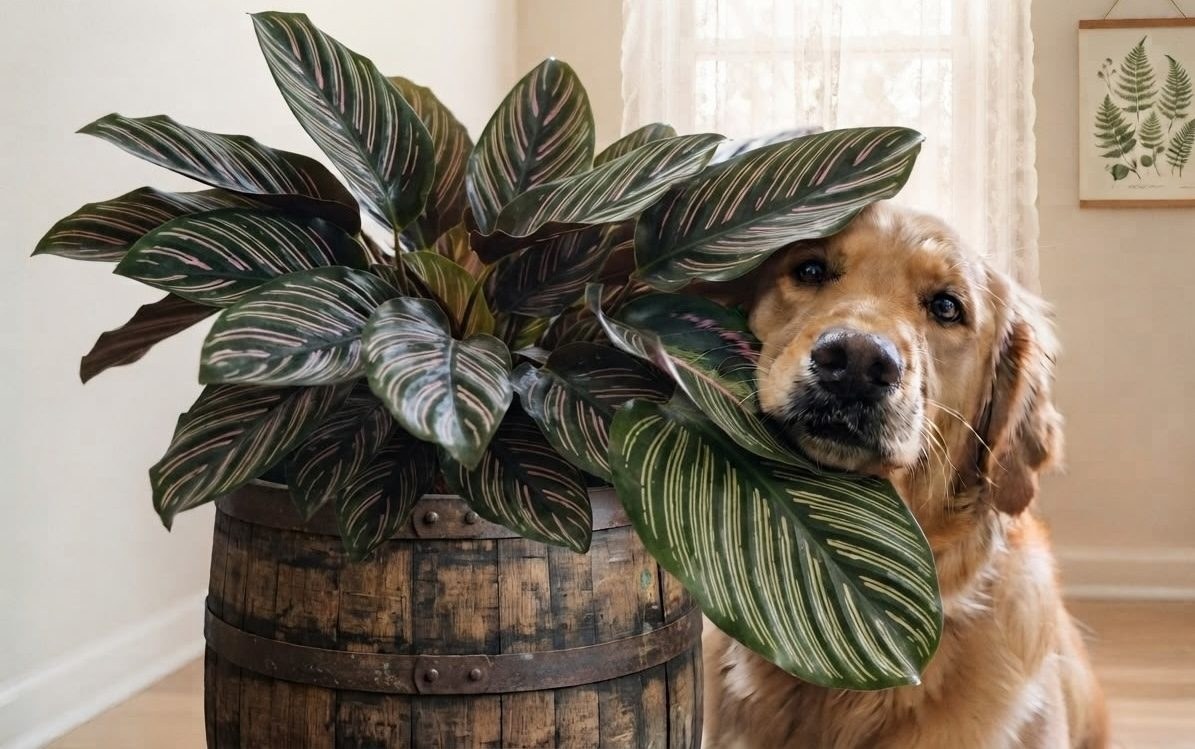
No, calathea is non-toxic to dogs as well. The ASPCA lists calathea as non-toxic to dogs, cats, and horses. If a dog does ingest calathea leaves, the same principles apply: no poisoning risk, possible mild temporary stomach upset from plant fiber if a large quantity is consumed.
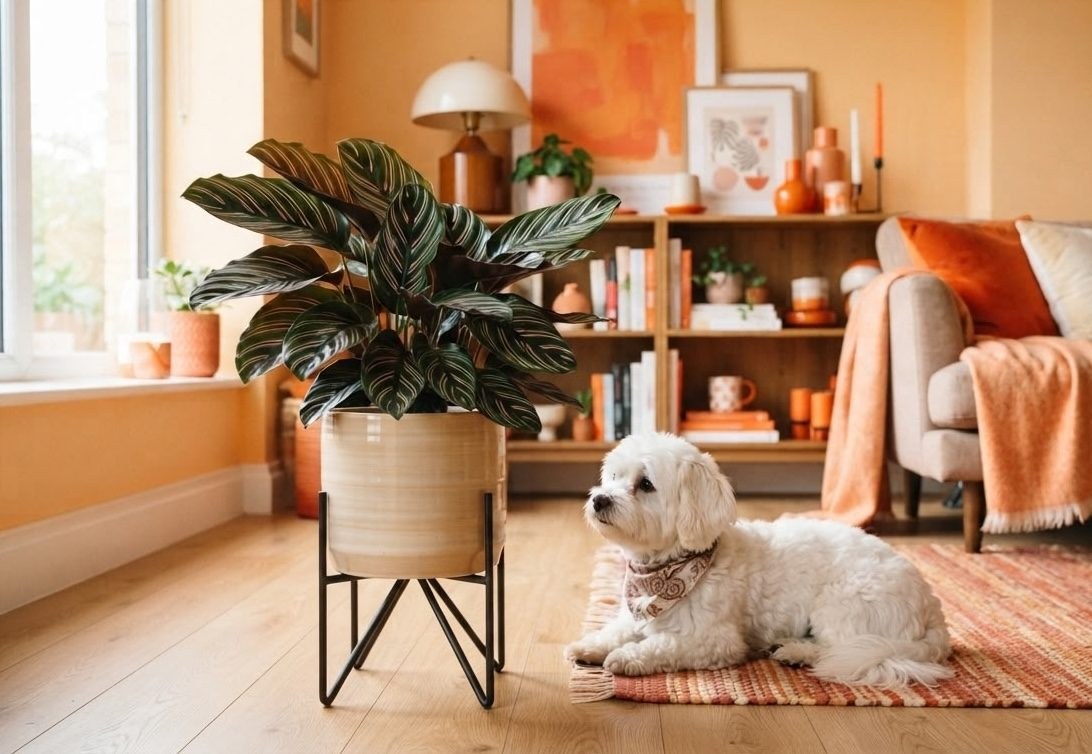
Monitor for 24 hours and call a vet if symptoms are concerning or don’t resolve.
For households with both cats and dogs, calathea is a particularly practical choice: you get a lush, patterned tropical plant without needing to worry about either pet’s safety. Keep in mind that a lively dog can knock over a pot as easily as chew it, so I’d pick a heavy ceramic planter or a raised shelf for both pet safety and plant stability.
Common Mistakes Calathea Owners Make
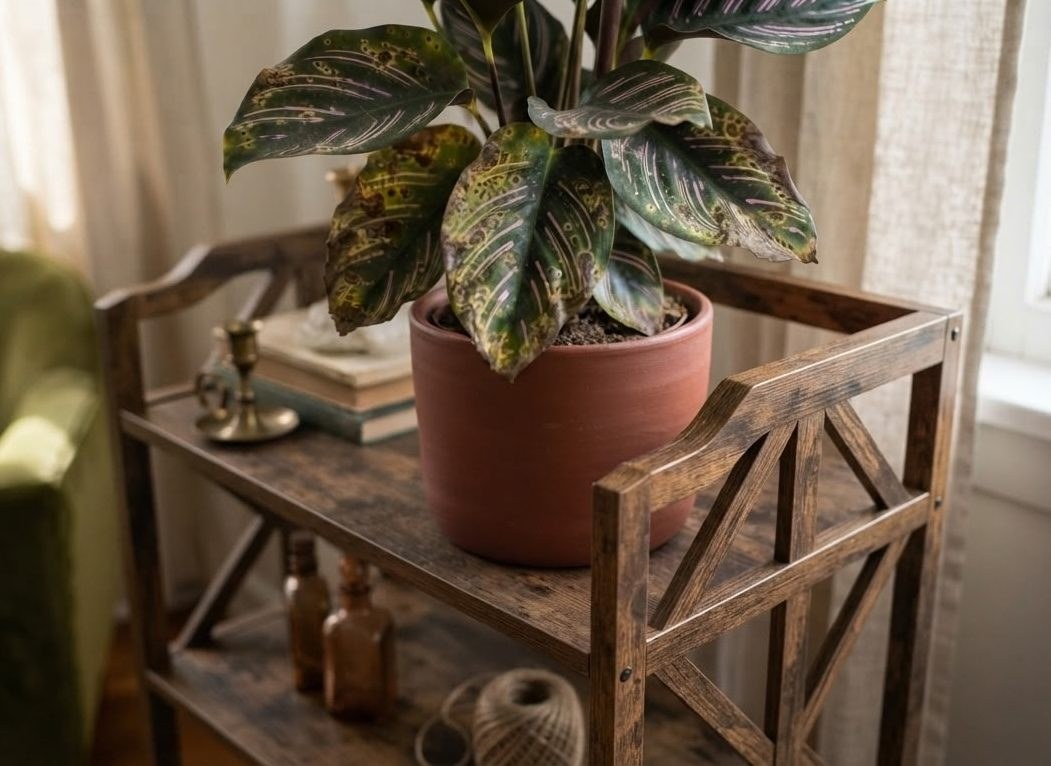
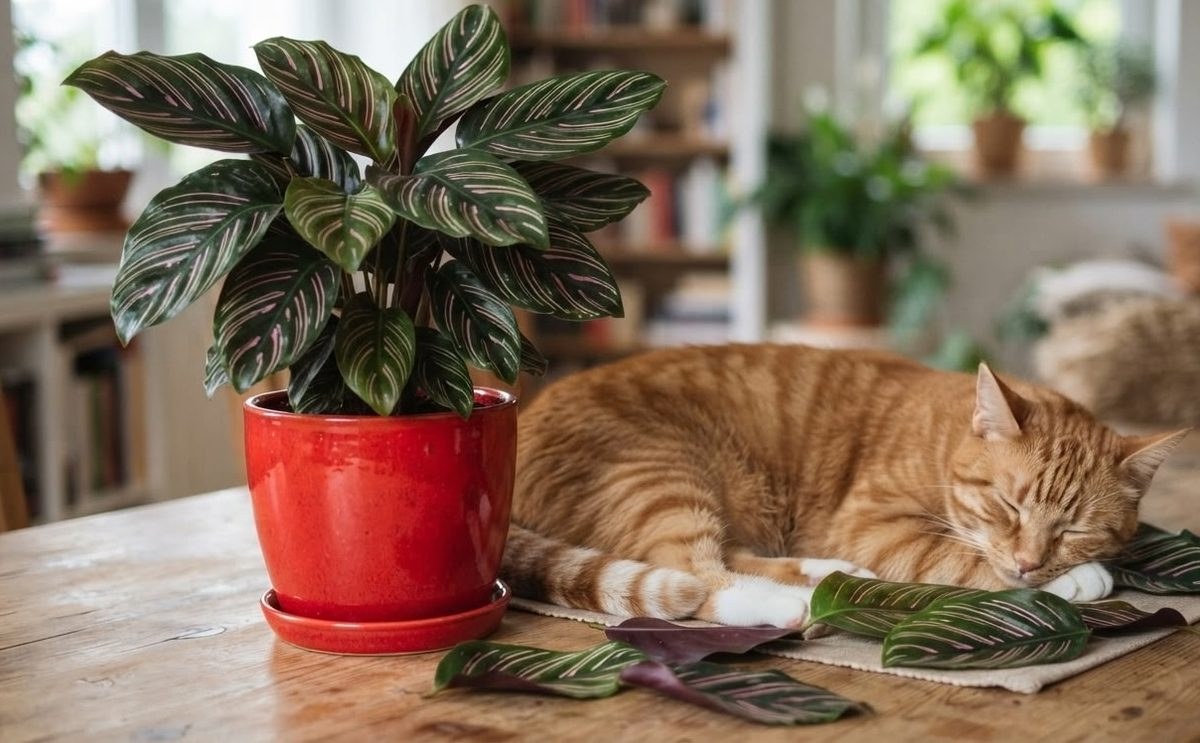
Even with a non-toxic plant, there are a few ways cat owners mishandle the calathea situation:
- Assuming “non-toxic” means “completely safe”: non-toxic per ASPCA means the plant is not known to poison pets. It does not mean a cat can eat unlimited calathea without consequence. Large amounts of any fibrous plant material can cause temporary digestive upset. Non-toxic = safe to have around the cat, not safe for the cat to eat freely.
- Confusing calathea with a look-alike toxic plant: calathea is sometimes confused with dieffenbachia, since both have broad, patterned tropical leaves. Dieffenbachia is toxic to cats and dogs (insoluble calcium oxalates and a proteolytic enzyme, per ASPCA) and can cause intense oral irritation. If you’re unsure which plant you have, photograph the leaf pattern and verify before assuming it’s safe.
- Dismissing persistent symptoms: calathea ingestion should not cause more than a brief mild stomach upset. If symptoms last longer than 24 hours or a cat shows any signs of serious distress after eating a plant, call your vet, since it’s possible the plant isn’t calathea, or the cat has an unusual sensitivity.
- Not protecting the plant from the cat: even though calathea is safe, cats chewing on the leaves damages the plant. Calathea leaves don’t grow back once torn; they’re replaced by new leaves, but torn leaves remain damaged permanently. Protect your calathea for the plant’s sake even if not for the cat’s.
How to Keep Cats Away From Calathea
Even though calathea won’t poison your cat, repeated chewing damages the leaves significantly. Calathea leaves are prone to browning and tearing at the edges even under ideal conditions; cat damage accelerates this and can leave the plant looking ragged. A few practical approaches that work well:
Place calathea on high shelves, in hanging planters, or on plant stands that cats can’t easily access. Calathea actually benefits from indirect light rather than a sunny windowsill, so positioning it higher and away from windows often suits both the plant and the no-cat-access goal. Some owners scatter citrus peel around the base of the pot, because many cats dislike the smell. I’d skip that one: the ASPCA lists lemon as toxic to cats (its essential oils and psoralens can cause vomiting and diarrhea), and peel left within reach is something a curious cat may chew. If your cat is a persistent plant-chewer, providing a pot of cat grass (wheat grass or oat grass) nearby gives them a designated chewing target that’s far more appealing to felines than calathea’s stiff, fibrous leaves. If I had to pick just one approach, I would go with the high shelf plus cat grass, because it removes the temptation instead of only making it less pleasant.
Non-Toxic Houseplants for Cat Owners
Calathea is one of the best choices for cat owners who want lush tropical foliage: dramatic patterned leaves, safe status, and a wide range of varieties to choose from. Other confirmed non-toxic options that work well in the same aesthetic: spider plants, which are easy to grow and produce trailing offshoots; haworthia, a compact succulent that’s safe and nearly indestructible. Maranta, as noted above, rounds out a cat-safe tropical collection perfectly.
The plants to actively avoid in homes with cats: peace lily (Spathiphyllum), pothos (Epipremnum aureum), philodendron species, true lilies (Lilium) and daylilies (Hemerocallis). These cause real harm, and lilies in particular are severely toxic to cats and can cause acute kidney failure from even small exposures. The contrast with calathea is stark: calathea belongs on the safe list, those plants belong nowhere near cats.
Calathea Safety Summary
| Variety | Safe for Cats? | Safe for Dogs? | Notes |
|---|---|---|---|
| Calathea orbifolia | Yes | Yes | Non-toxic per ASPCA |
| Calathea ornata | Yes | Yes | Non-toxic |
| Calathea medallion | Yes | Yes | Non-toxic |
| Calathea zebrina | Yes | Yes | Non-toxic |
| Calathea lancifolia | Yes | Yes | Non-toxic |
| Calathea makoyana | Yes | Yes | Non-toxic |
| Maranta (prayer plant) | Yes | Yes | Non-toxic per ASPCA |
FAQ: Is Calathea Toxic to Cats?
Is calathea toxic to cats?
No. Calathea is non-toxic to cats according to the ASPCA. It contains no compounds known to cause poisoning in cats and does not pose a risk of systemic harm.
Is calathea safe for cats and dogs?
Yes, the ASPCA lists calathea as non-toxic to both cats and dogs. It’s one of the safer tropical houseplant choices for multi-pet households.
What happens if my cat eats calathea?
Most likely nothing significant. Calathea is non-toxic, so there’s no poisoning risk. If a large amount of leaf material was eaten, the plant fiber could cause mild temporary GI upset, such as loose stool or a bout of vomiting, that should pass on its own. Monitor your cat for 24 hours; call your vet if symptoms are severe or persistent.
Are all calathea varieties safe for cats?
Yes. The ASPCA lists calathea as non-toxic at genus level (Calathea spp.), which covers the popular species now often classed as Goeppertia, so this applies whether you have orbifolia, ornata, medallion, zebrina, lancifolia, or another calathea.
Is calathea orbifolia safe for cats?
Yes. Calathea orbifolia is non-toxic to cats and dogs, the same as all other calathea varieties.
Is prayer plant (Maranta) also safe for cats?
Yes. Maranta leuconeura (prayer plant) is non-toxic to cats and dogs per ASPCA. It’s closely related to calathea and equally safe; both are good choices for cat owners who want tropical foliage plants.
Can cats be allergic to calathea?
Allergic reactions to specific plants are possible in cats, though uncommon. Symptoms would typically be localized: skin irritation, itching, or red eyes following direct contact with the plant. This is different from poisoning: an allergic response is an immune reaction, not a toxic one. If you notice consistent skin or eye reactions when your cat is near calathea, keep them separated and consult your vet. For the vast majority of cats, calathea causes no reaction of any kind.