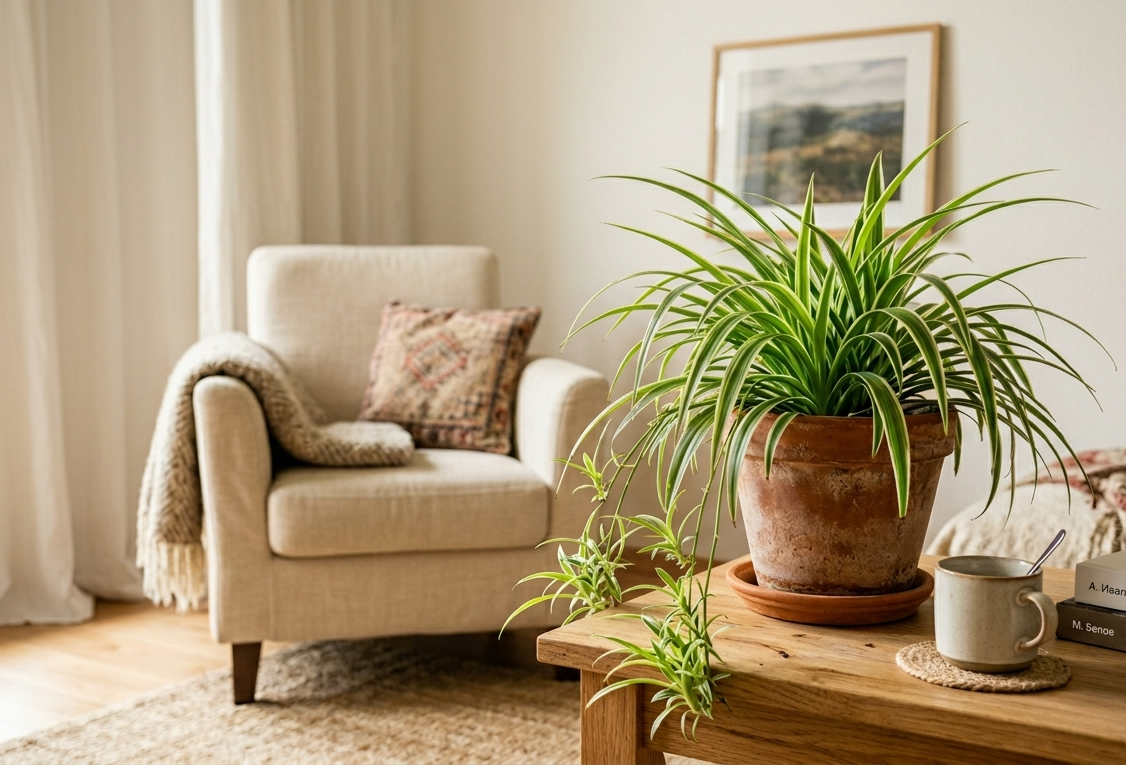
Spider plants are genuinely hard to kill, but “hard to kill” and “thriving” are different things. Chlorophytum comosum grows fast, produces cascading offshoots, and tolerates neglect better than most houseplants — but brown tips, leggy growth, and failed propagation almost always trace back to a few fixable mistakes. This guide covers everything you need to grow a healthy spider plant, including the fluoride problem most growers don’t know about until their tips go brown.
Spider Plant Care at a Glance
| Factor | What spider plants need |
|---|---|
| Light | Bright indirect light; tolerates low light |
| Water | Every 1–2 weeks; let top inch dry first |
| Soil | Well-draining potting mix |
| Temperature | 60–80°F (15–27°C); no frost |
| Humidity | Average household; tolerates dry air |
| Fertilizer | Monthly in spring/summer, half strength |
| Repotting | Every 1–2 years, or when root-bound |
| Toxic to pets? | No — ASPCA confirms non-toxic to cats and dogs |
How Much Light Does a Spider Plant Need?
Spider plants grow best in bright indirect light but are genuinely tolerant of lower light conditions — one of the few houseplants that’s not lying about that claim. In bright indirect light, they grow faster, produce more runners, and maintain stronger variegation. In low light, growth slows and the white stripes on variegated varieties can fade toward solid green.
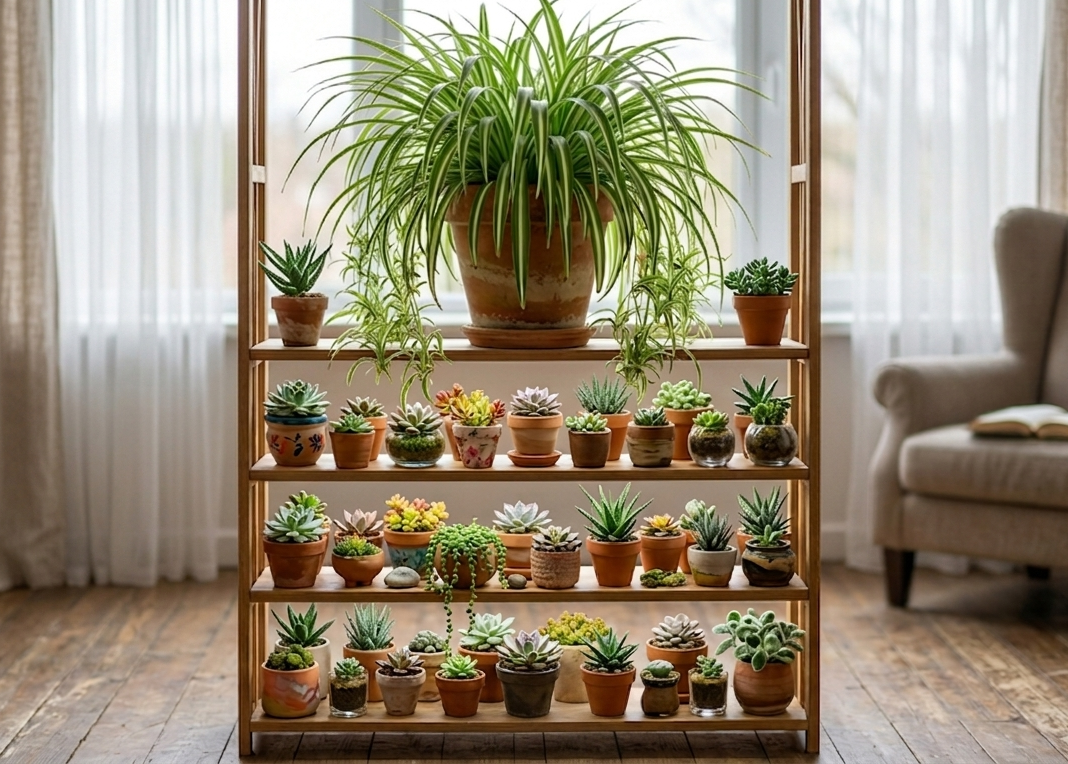
What they don’t tolerate well is harsh direct sun, especially through south or west windows in summer. Direct afternoon sun bleaches the leaves and scorches the tips. A spot near a north or east window, or a few feet back from a bright south window, hits the sweet spot.
For reference: spider plants thrive in roughly 1,000–2,500 lux of indirect light (about 100–250 foot-candles). Under artificial grow lights, aim for 2,000–4,000 lux over 10–12 hours per day.
Spider plants also follow photoperiodism: as day length shortens in fall and early winter, the plant shifts toward reproduction and starts sending out more runners and spiderettes. This explains why plants that seem reluctant all summer often produce a burst of babies in September and October. Indoors, you can encourage the same response by gradually reducing artificial lighting hours in late summer.
Variegation and light: The white stripes on variegated spider plants contain no chlorophyll. In low light, the plant compensates by producing more chlorophyll-containing cells, causing the white portions to fade toward pale green. Move to brighter light and new growth will come in with stronger variegation — already-faded leaves won’t revert, but new ones will look right.
I moved one of my spider plants from a shady bathroom shelf to a bright east-facing windowsill and it went from producing one spiderette every few months to sending out four runners in a single growing season. Light makes a real difference even when the plant looks “fine” in lower light.
How Often Should You Water a Spider Plant — and What Kind of Water?
Water spider plants when the top inch of soil feels dry — typically every 1–2 weeks in spring and summer, and every 2–3 weeks in fall and winter. They’re more forgiving than most houseplants: underwatering causes temporary wilting that bounces back quickly, while overwatering causes root rot that’s harder to fix.
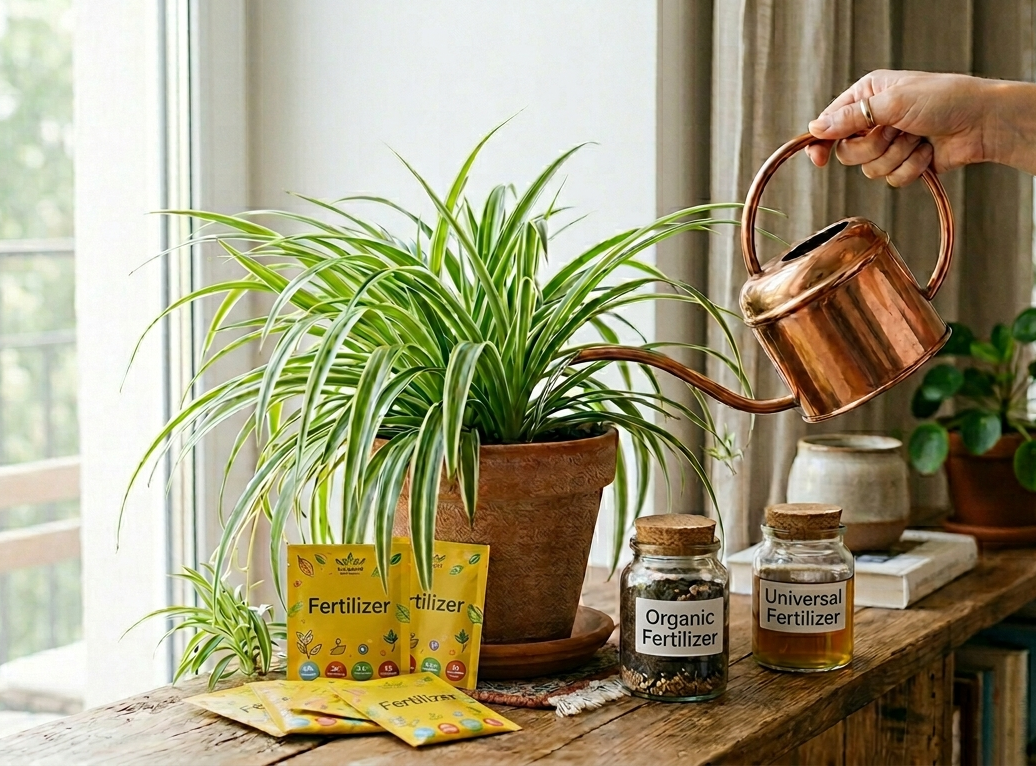
The water type matters. Spider plants are unusually sensitive to fluoride and chlorine in tap water. Fluoride accumulates in the soil over time and damages leaf tips, causing the characteristic brown tip problem that’s often misdiagnosed as underwatering or low humidity. If your spider plant’s tips are brown and crispy despite proper watering, switch to distilled water, filtered water, or rainwater. The difference is noticeable within a few weeks of new growth.
If you only have tap water available, let it sit uncovered overnight before using — this dissipates chlorine (though not fluoride). Flushing the soil thoroughly every few months also helps clear accumulated mineral salts.
Soil and Potting
Spider plants aren’t fussy about soil, but they do need drainage. Standard well-draining potting mix works well — add perlite at a ratio of 1 part perlite to 3 parts potting mix if your current mix holds moisture longer than a week after watering. A pot with drainage holes is essential; spider plants sitting in waterlogged soil develop root rot quickly despite their general toughness.
On pot size: spider plants actually prefer being slightly root-bound. A snug pot triggers more runner and spiderette production — the plant reads it as a signal to reproduce. If yours isn’t producing runners, try moving it to a smaller pot before assuming something is wrong. Only upsize when roots are visibly circling the drainage holes or pushing up through the soil surface.
Fertilizing a Spider Plant
Spider plants are light feeders. A balanced liquid fertilizer (10-10-10 or similar) at half strength once a month during spring and summer is enough. Skip fall and winter fertilizing — the plant grows slowly and excess nutrients just accumulate as salt in the soil.
Signs of over-fertilizing: brown leaf tips that aren’t fixed by switching water, white salt crust on the soil surface, or leaves that look chemically burned at the edges. If this happens, flush the soil thoroughly with water and skip fertilizing for 6–8 weeks.
This matters more than most people realize: fertilizer salt buildup causes the same brown-tip symptom as fluoride toxicity. If you’ve already switched to distilled water and still have brown tips, accumulated fertilizer salts are the next thing to check — not humidity or underwatering.
Don’t fertilize a freshly repotted spider plant for at least 2 months — new potting mix already contains nutrients, and adding more stresses recently disturbed roots.
Spider Plant Varieties Worth Knowing
Most spider plants sold in nurseries are the classic Chlorophytum comosum, but several varieties have become widely available and worth knowing before you buy.
Vittatum (Classic Variegated)
The most common variety: green leaves with a white stripe down the center. Fast-growing, produces runners freely, and the most forgiving of all varieties. Best starting point for new spider plant growers.
Bonnie (Curly Spider Plant)
Same variegation as Vittatum but with distinctly curled, wavy leaves. Stays more compact than the standard variety — good for smaller spaces and hanging baskets where you want contained growth. Grows slightly slower than standard spider plants but is otherwise just as easy. The curled leaves make it more visually striking and it’s grown in popularity significantly in recent years. For a complete care breakdown, see our curly spider plant (Bonnie) care guide.
Ocean
Narrower leaves with white edges rather than a center stripe. More compact habit than classic varieties. Slightly less variegation overall but a cleaner, more modern look.
Hawaiian Spider Plant
Solid green leaves without variegation. More uniform appearance, does slightly better in lower light than variegated types since it doesn’t need as much light to maintain leaf color. Less common in garden centers but worth seeking out.
Pink and Purple Spider Plant
There’s no true “pink” or “purple” Chlorophytum comosum cultivar. When people search for these, they’re usually referring to the Fire Flash (whose orange-pink stems photograph as coral or pink) or variegated plants in coloured pots. If you’ve seen a striking pink-stemmed spider plant in photos, it’s almost certainly a Fire Flash.
Fire Flash (Mandarin Plant)
Technically Chlorophytum amaniense rather than comosum — solid green leaves with bright orange-red petioles and stems. No runners or spiderettes. Requires slightly more light and humidity than standard spider plants. Distinctive enough that most people don’t immediately recognize it as a spider plant relative.
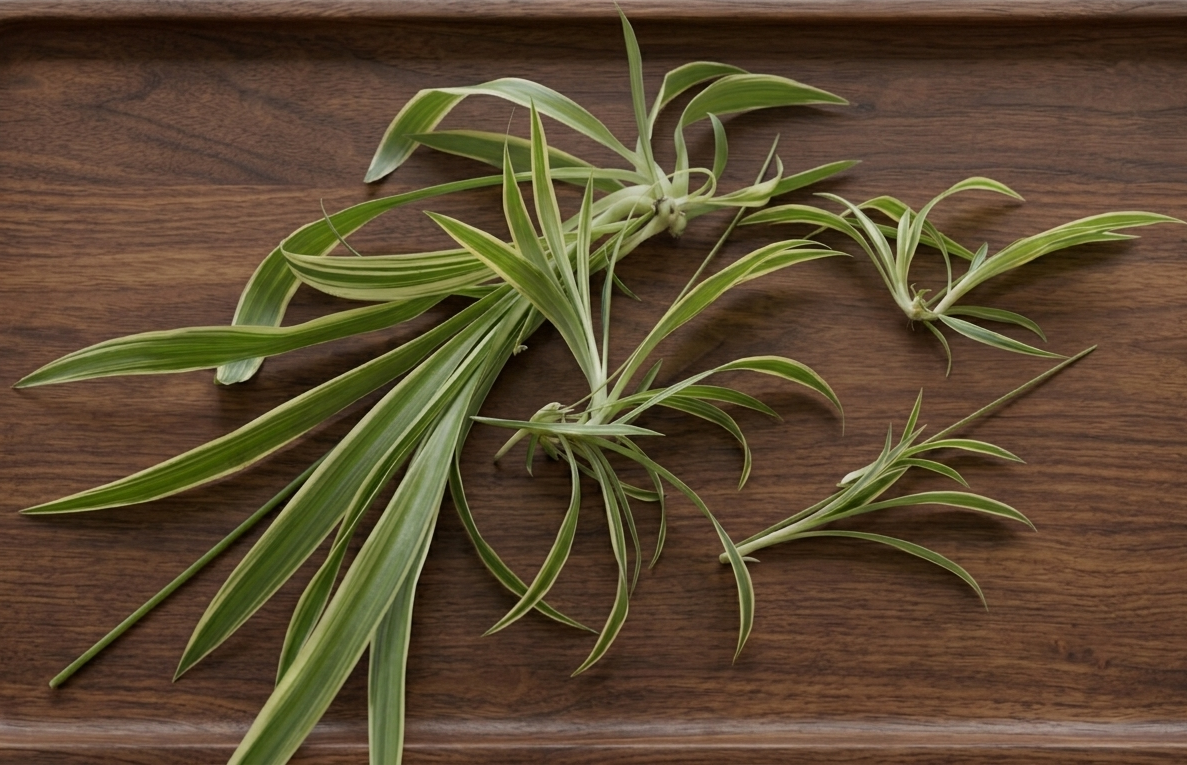
Spider Plant in a Hanging Basket
Hanging baskets are one of the best ways to grow spider plants — the cascading runners and spiderettes look intentional rather than messy when given space to trail. A few practical considerations:
- Basket size: Start with a 10–12 inch basket. Spider plants fill out quickly and a larger basket gives room for the root system without going immediately pot-bound.
- Watering frequency: Hanging baskets dry out faster than pots on surfaces — especially in warm rooms with air circulation. Check moisture more frequently and expect to water every 7–10 days in growing season rather than every 2 weeks.
- Light: Position where the plant gets bright indirect light from most angles, not just one side — otherwise it grows unevenly toward the light source.
- Runner weight: A mature spider plant with multiple long runners and large spiderettes gets heavy. Make sure ceiling hooks are rated for the weight, especially after watering.
For hanging baskets, use a lighter mix: 2 parts potting soil + 1 part perlite + 1 part coconut coir. This drains better and weighs less when suspended than standard potting mix, which holds too much moisture in a basket with limited airflow.
My first hanging spider plant ended up too low — I underestimated how long the runners would grow, and the spiderettes were brushing the floor within two months. Hang them near ceiling height from the start.
The spiderettes can be left on the runners indefinitely — they add to the cascading effect. Or snip them off and propagate them once they’ve developed small aerial roots at their base.
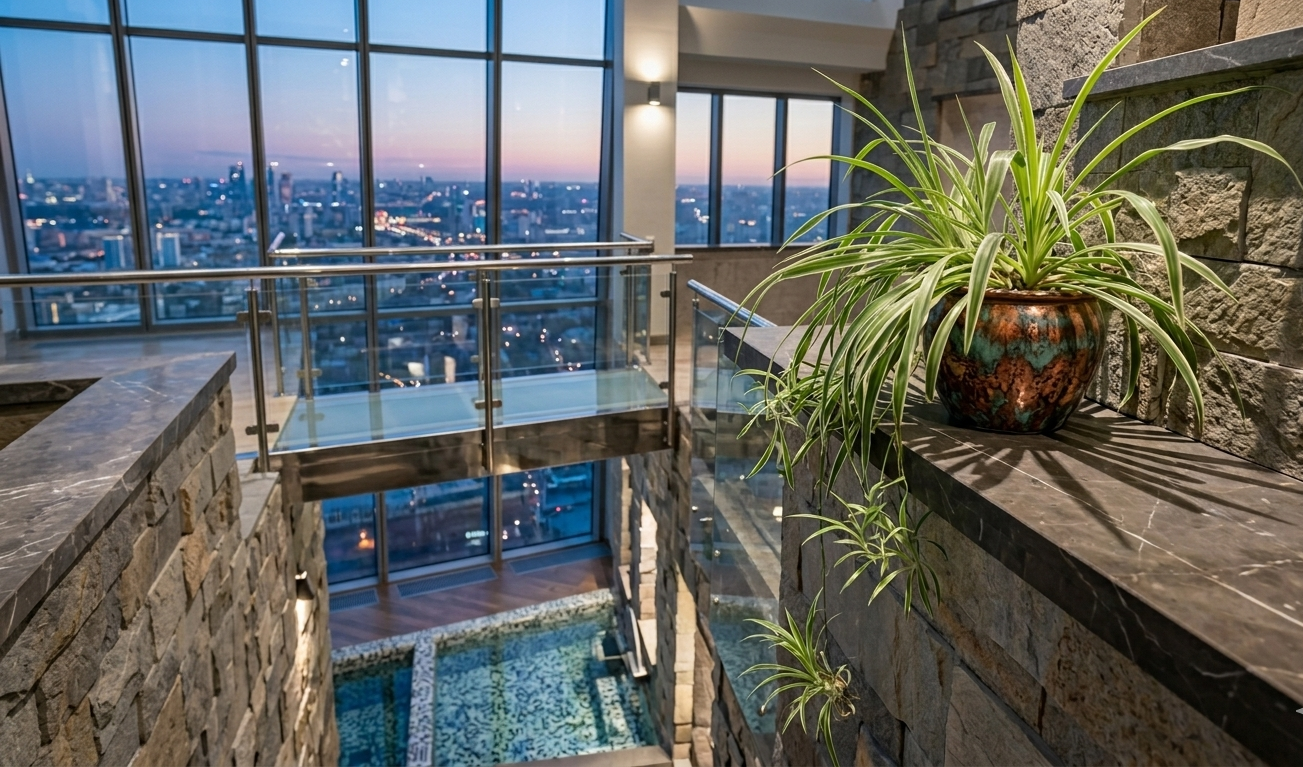
Can Spider Plants Live Outside?
Yes, but with conditions. Spider plants grow outdoors year-round only in USDA zones 9–11, where winters are mild and hard freezes are rare. They tolerate brief cold snaps near freezing but won’t survive extended frost. In cooler zones, they work well as seasonal outdoor plants — move them outside after the last frost and bring them back in before temperatures drop below 50°F (10°C) in fall.
Outdoors, spider plants thrive in dappled shade or bright shade — not full sun. Direct outdoor sun is far more intense than through a window and will bleach and scorch the leaves within days. Under a covered porch, beneath a tree canopy, or on a north-facing patio are ideal spots.
One practical benefit of spending a summer outdoors: spider plants often respond with accelerated growth and a burst of runner production. The higher humidity, airflow, and natural light cycles do them good, as long as direct sun exposure is managed.
How to Propagate Spider Plants
Spider plant propagation is one of the easiest in the houseplant world. The plant does most of the work itself by producing spiderettes — miniature plantlets on long runners — that are ready to root with minimal effort.
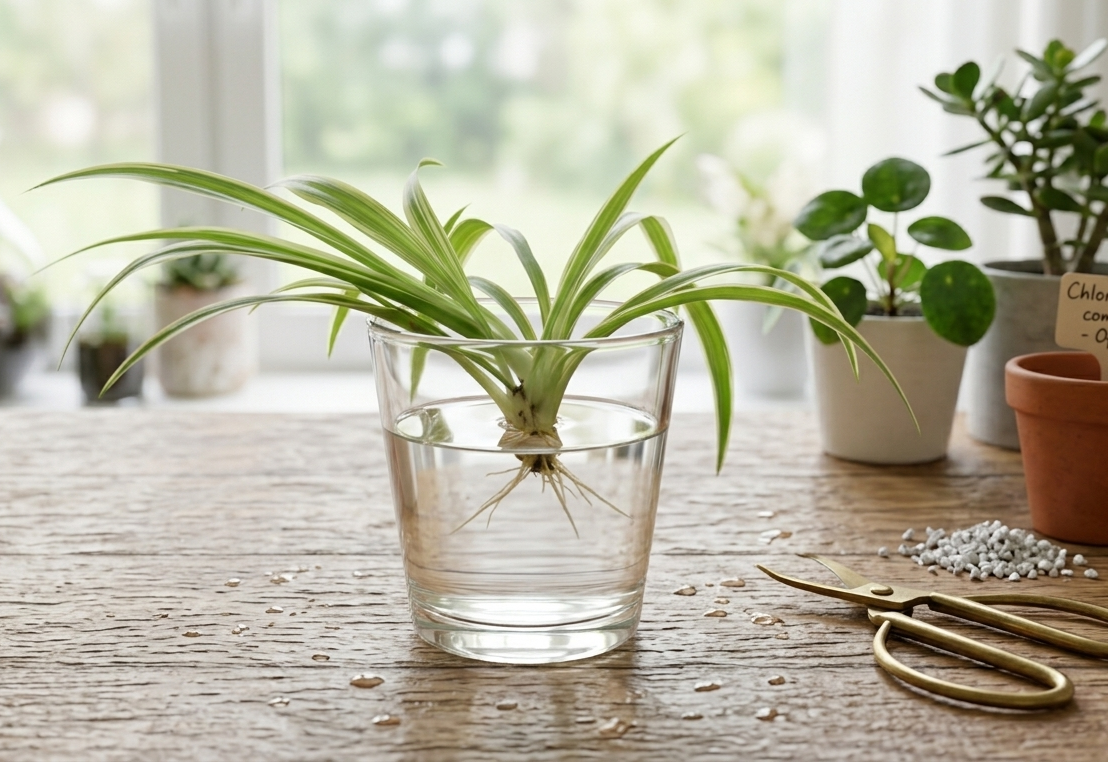
Water Propagation (Easiest)
Once a spiderette has developed small aerial root nubs at its base, snip it off the runner and place it in a small glass of water, roots submerged, leaves above the waterline. Roots develop in 1–2 weeks at room temperature. Change the water every 5–7 days. Once roots are 1–2 inches long, pot in well-draining mix and keep lightly moist for the first few weeks while soil roots establish.
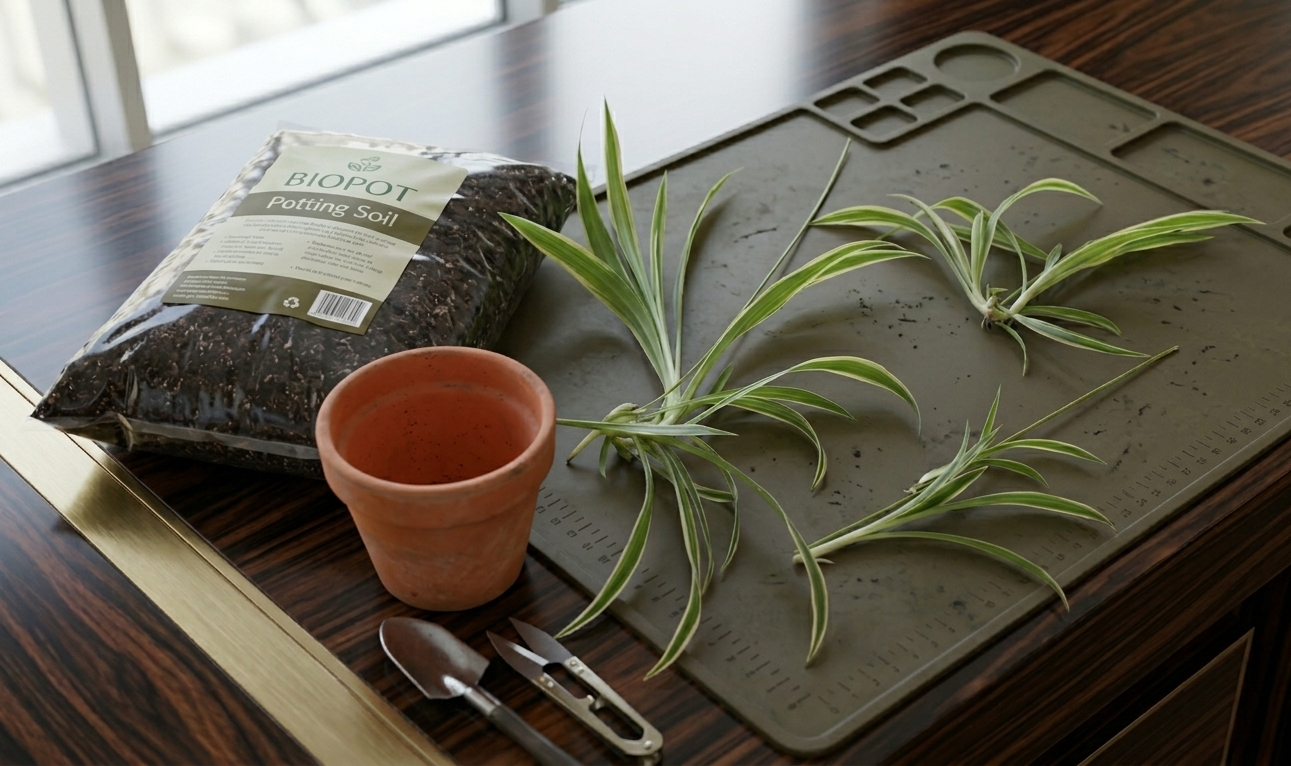
Soil Propagation (Slightly Slower, More Robust Result)
While the spiderette is still attached to the runner, pin it down on the surface of a small pot of moist potting mix using a hairpin or bent wire — like layering. Keep the soil lightly moist. Roots typically establish in 2–4 weeks. Once the plantlet resists a gentle tug, cut the runner and treat it as an independent plant.
Wait until the spiderette has visible brown root nubs at its base before cutting. I once tried propagating one with no visible nubs — it sat in water for five weeks, produced nothing, then slowly rotted. Those brown bumps are the signal it’s ready.
Soil-rooted propagations tend to establish more robustly than water-rooted ones because the roots develop already adapted to soil conditions. The trade-off is you can’t watch them grow the same way.
Do Spider Plants Flower?
Yes — small, star-shaped white flowers appear on the tips of the long runners before spiderettes develop. They’re modest and not the reason anyone grows spider plants, but they signal the plant is healthy and mature. Flowering is more common in plants that are slightly root-bound and getting consistent light. If your spider plant has never flowered and never produced runners, it likely needs more light or a smaller pot.
Why Is My Spider Plant Getting Brown Tips? (And Other Common Problems)
Brown Tips
The most common spider plant complaint. Brown tips are almost always caused by fluoride or chlorine sensitivity — not underwatering, not low humidity. If the rest of the leaf is green and healthy and only the tips are browning, switch to distilled or filtered water. Trim the brown tips with clean scissors (cut at a slight angle to mimic the natural leaf shape) and expect improved new growth within weeks.
Other causes of brown tips: fertilizer salt buildup (flush the soil), very low humidity (group plants together or add a pebble tray), or actual drought stress (check watering frequency).
One lesser-known fix: soil with higher calcium content partially buffers against fluoride toxicity. If switching to distilled water doesn’t fully resolve the problem, using a calcium-enriched potting mix or adding a small amount of agricultural lime can help.
Yellow Leaves
Yellow leaves on spider plants typically mean overwatering, poor drainage, or natural aging of the oldest leaves. Check soil moisture first — if it’s staying wet longer than 10 days, drainage or watering frequency is the issue. Yellow lower leaves on an otherwise healthy plant are usually just the oldest growth being shed naturally.
No Runners or Spiderettes
Three common causes: not enough light, too large a pot, or the plant is too young. Spider plants typically need to be at least a year old before producing runners reliably. Move to brighter indirect light, try a smaller pot, and give it time. Outdoor summers often trigger runner production in stubbornly non-producing indoor plants.
For a full diagnosis guide covering every symptom — curling, sticky leaves, root rot, pests, and more — see our complete spider plant problems guide.
Are Spider Plants Safe for Cats and Dogs?
Yes — the ASPCA confirms spider plants (Chlorophytum comosum) are non-toxic to cats and dogs. They’re one of the few houseplants genuinely safe for pet-heavy homes. Cats are sometimes attracted to spider plants and may chew on the leaves, which can cause mild stomach upset simply from ingesting plant material — but there’s no toxic compound involved.
One nuance worth knowing: cats are sometimes strongly attracted to spider plants. The exact reason cats are drawn to it isn’t fully established, but the attraction is widely observed and well-documented. The ASPCA classifies spider plants as non-toxic, but ingesting plant material can cause mild vomiting from stomach irritation. It’s not dangerous, but worth keeping the plant out of reach of cats that aggressively chew plants.
This makes spider plants one of the most recommended alternatives for pet owners who need to replace toxic houseplants like ficus or ZZ plants. For more on which common houseplants are toxic to pets, see our guides on ZZ plant toxicity and ficus toxicity.
Frequently Asked Questions
How often should you water a spider plant?
Every 1–2 weeks in spring and summer, and every 2–3 weeks in fall and winter. Water when the top inch of soil is dry. Spider plants tolerate drought better than overwatering — if in doubt, wait another few days before watering.
Why does my spider plant have brown tips?
Brown tips on spider plants are almost always caused by fluoride or chlorine sensitivity to tap water. Switch to distilled, filtered, or rainwater and the problem typically stops with new growth. Other causes include fertilizer salt buildup and very low humidity, but water quality is the most common culprit.
Do spider plants like to be root bound?
Yes — spider plants produce more runners and spiderettes when slightly pot-bound. A snug pot signals the plant to reproduce. Only repot when roots are visibly circling the drainage holes or pushing through the soil surface. Going up just one pot size at a time is enough.
Can spider plants live outside?
Yes, in zones 9–11 year-round, and as seasonal outdoor plants in cooler climates after the last frost. They need dappled shade or bright shade outdoors — direct outdoor sun is too intense and will scorch the leaves. Bring back indoors before temperatures drop below 50°F (10°C) in fall.
Do spider plants clean the air?
The air-purifying claim comes from a NASA study conducted in sealed chambers — not in typical home conditions. The number of plants needed to have a measurable effect on air quality in a real room is far beyond what anyone keeps indoors. Spider plants are excellent houseplants, but air purification isn’t a practical reason to grow them.
Why isn’t my spider plant producing spiderettes?
The three most common reasons: insufficient light, a pot that’s too large, or a plant that’s too young. Spider plants typically need at least a year before producing runners reliably. Move to a brighter spot with indirect light, try a smaller pot, and give it time. A summer spent outdoors in shade often triggers runner production.