If you bought a “citronella plant” hoping it would keep mosquitoes away from your patio, you need to read this first. The plant you bought is almost certainly Pelargonium citrosum — a scented geranium that smells like citronella but does not actually repel mosquitoes. This guide covers how to care for it properly and exactly what it can and cannot do.
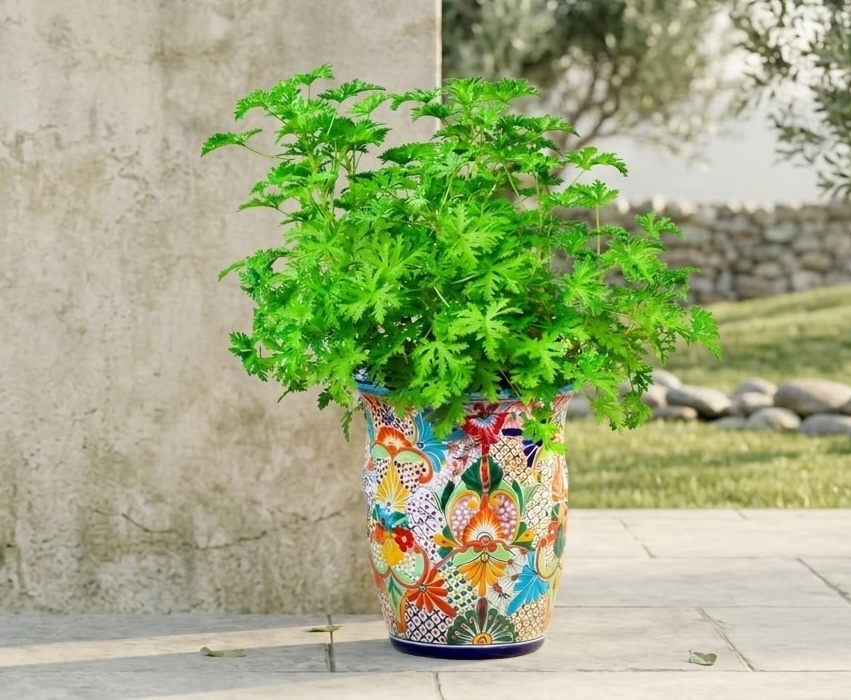
What Is a Citronella Plant, Really?
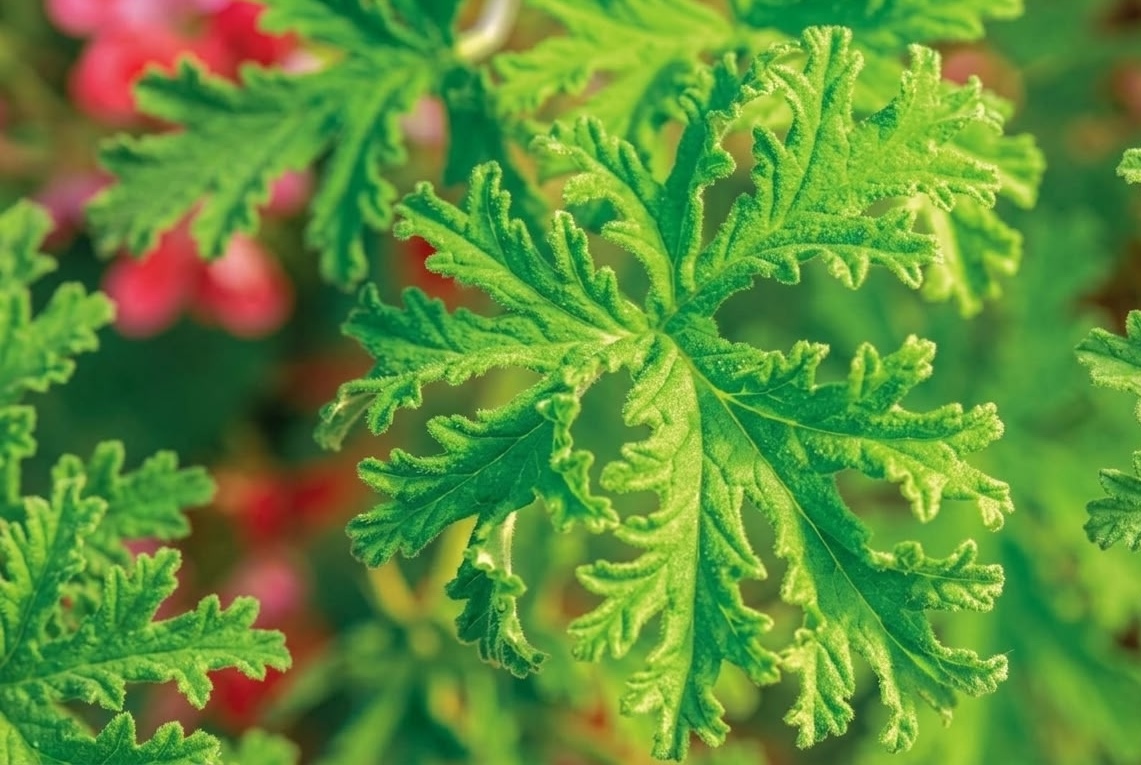
The “citronella plant” sold in garden centers is Pelargonium citrosum, a scented geranium with lemon-citrus-scented leaves. It is not the same plant as true citronella grass (Cymbopogon nardus), which is the source of commercial citronella oil used in candles and sprays.
The two plants look nothing alike: Pelargonium citrosum has soft, lobed leaves on a bushy shrub-like stem. Cymbopogon nardus is a tall tropical grass. The naming overlap comes from a similar scent, but the chemistry is different — and so are the mosquito-repellent effects.
Citronella Plant Care
Light
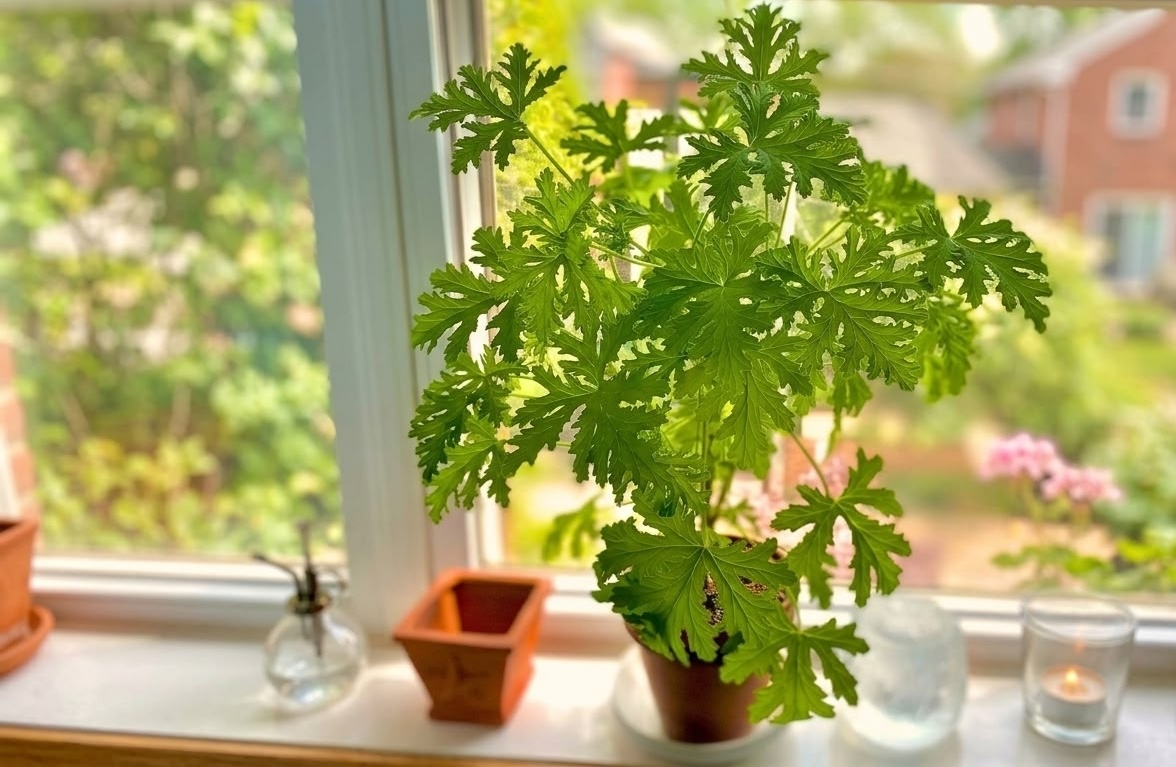
Citronella plant is a sun-lover. It needs at least 4-6 hours of direct sunlight daily. Outdoors, place it in a south- or west-facing spot. Indoors, a south-facing window with direct sun is ideal. In low light, the plant becomes leggy and the leaf fragrance weakens.
Watering
Water once a week during the growing season, allowing the top inch of soil to dry slightly between waterings. Pelargonium citrosum is more drought-tolerant than most houseplants — it handles dry spells better than wet feet. Overwatering is the most common way to kill this plant, causing root rot before you notice anything is wrong.
Reduce watering significantly in winter, especially if the plant is overwintering indoors: water every 2-3 weeks and never let it sit in standing water.
Soil and Fertilizing
Use well-draining potting mix — a cactus or succulent mix works well, or add extra perlite to standard potting soil. Excellent drainage is non-negotiable for this plant.
Fertilize with a balanced liquid fertilizer at half-strength every 2-4 weeks during spring and summer. Avoid over-fertilizing: too much nitrogen produces lush leafy growth at the expense of fragrance. Stop fertilizing in fall and winter.
Temperature and Overwintering
Citronella plant is cold-sensitive and hardy only in USDA zones 10-11. In any colder climate, bring it indoors before the first frost — when nighttime temperatures drop below 50°F.
Overwinter in a bright, cool indoor spot (55-65°F is ideal). Cut the plant back by about one-third before bringing it inside and reduce watering. Move back outdoors in spring once nights stay consistently above 50°F.
How Big Does Citronella Plant Get?
In a container indoors, Pelargonium citrosum typically reaches 2–3 feet tall and wide. Outdoors in zones 10–11, unpruned plants can hit 4 feet by late summer. Growth is fast during the warm season — 6–12 inches of new growth is normal when the plant gets full sun and regular fertilizing.
If it outgrows its space, cut it back by half in early spring before new growth starts. It recovers quickly and comes back bushier. For containers, repot every 1–2 years in spring — when roots fill the pot, growth slows and fragrance weakens.
How to Prune a Citronella Plant
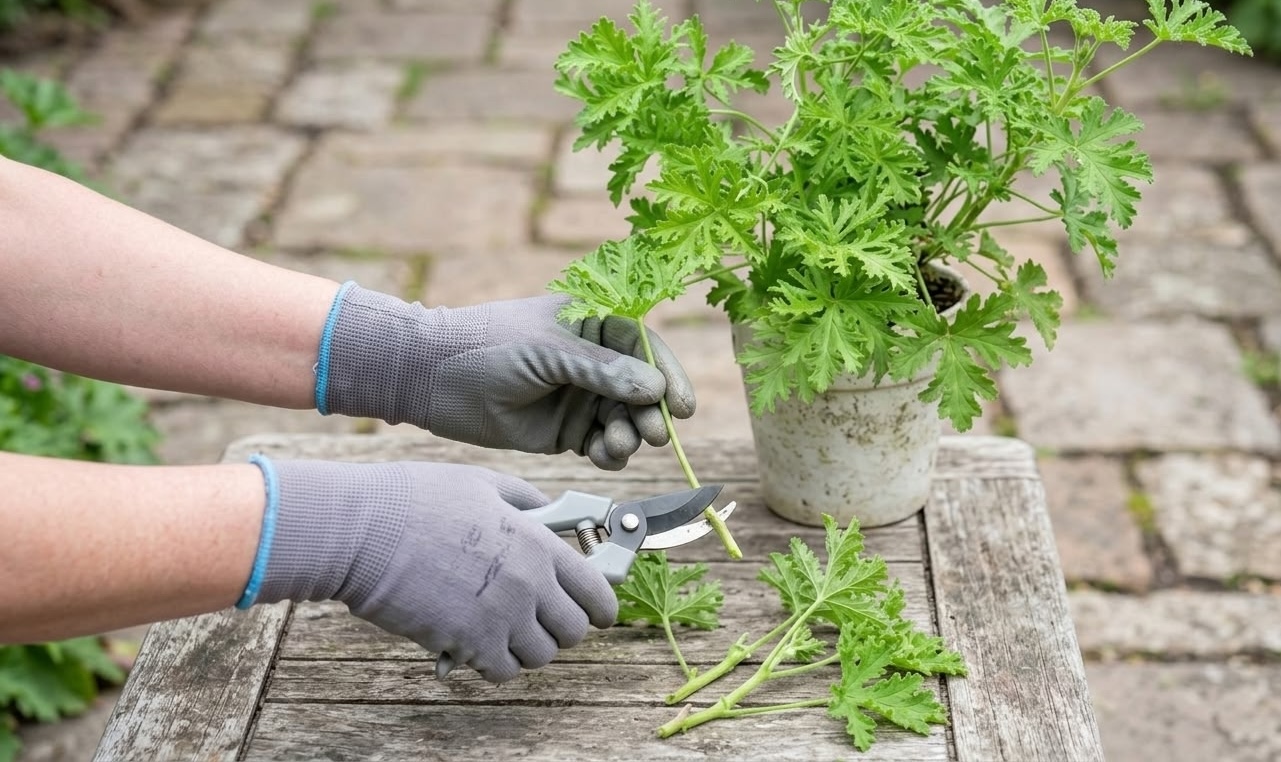
Regular pruning keeps the plant bushy and prevents legginess. Pinch back stem tips every few weeks during the growing season — this forces branching and creates a fuller shape. Also remove spent flowers to encourage new growth.
If the plant becomes woody or overgrown, cut it back hard (by half or more) in early spring just before new growth begins. It recovers quickly.
Does Citronella Plant Actually Repel Mosquitoes?
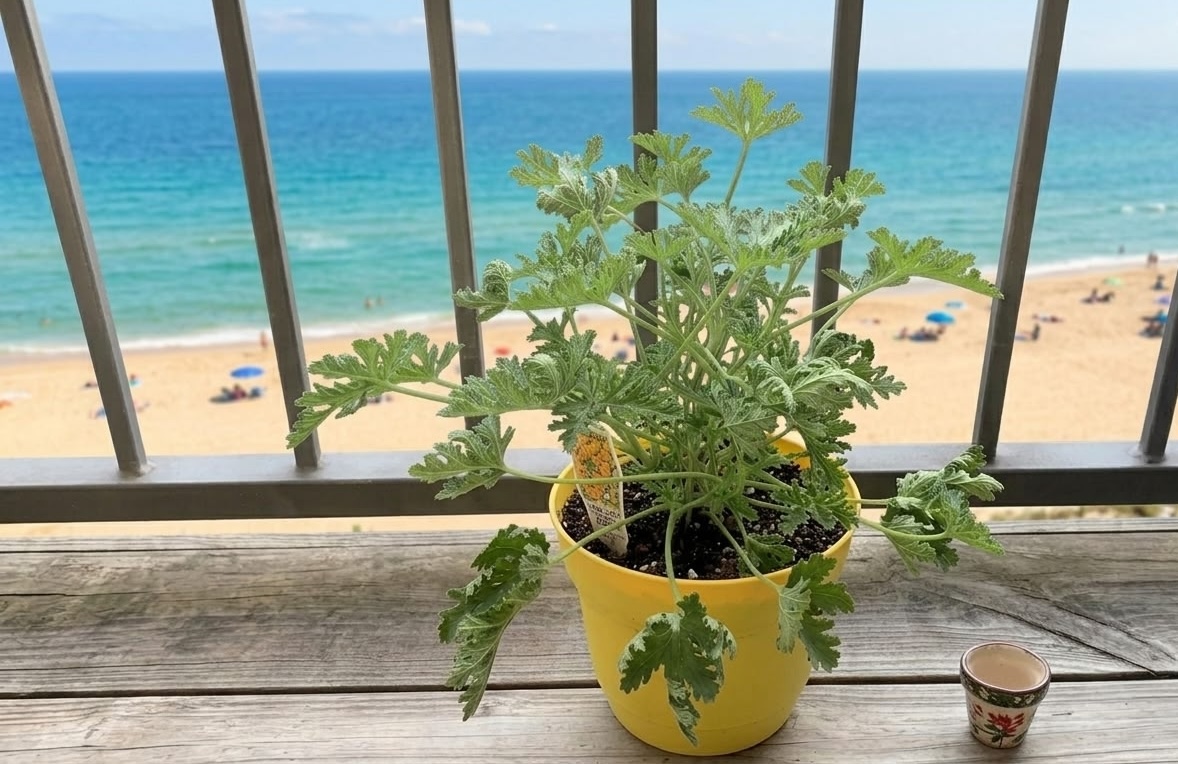
No — not by simply growing in your garden. A 1996 study published in the Journal of the American Mosquito Control Association tested Pelargonium citrosum under real field conditions. Subjects near the plant received the same number of mosquito bites as the control group. DEET provided over 90% protection; the citronella plant provided statistically none. Mosquitoes were observed landing directly on the plant during the study.
The plant’s essential oils contain geraniol and citronellol — not citronellal, which is the active compound in true citronella grass and commercial repellent products. The plant simply does not have the right chemistry to work as a repellent.
What about rubbing crushed leaves on your skin? This is a popular claim, but no published study has tested it. The scent dissipates quickly and the concentration of compounds is far lower than in processed citronella oil.
The plant is worth growing for its pleasant fragrance and attractive foliage — just not as a mosquito solution.
Is Citronella Plant Toxic to Cats and Dogs?
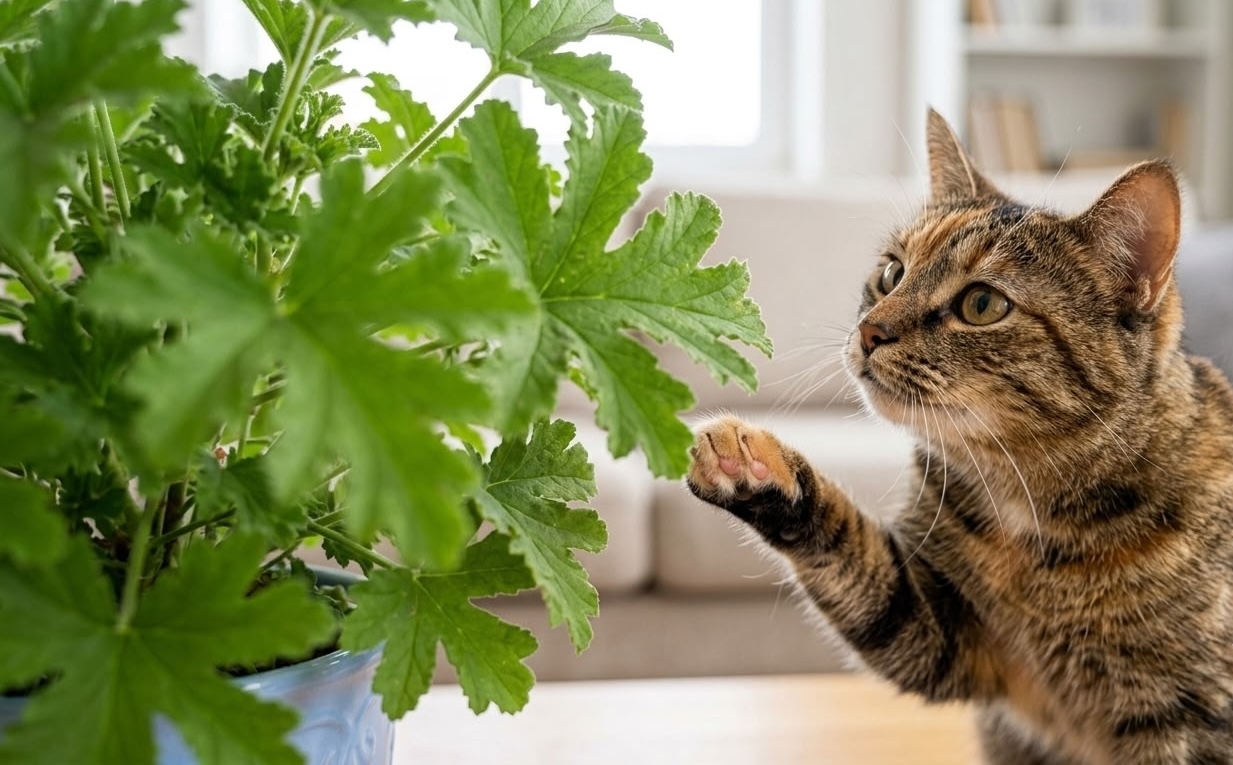
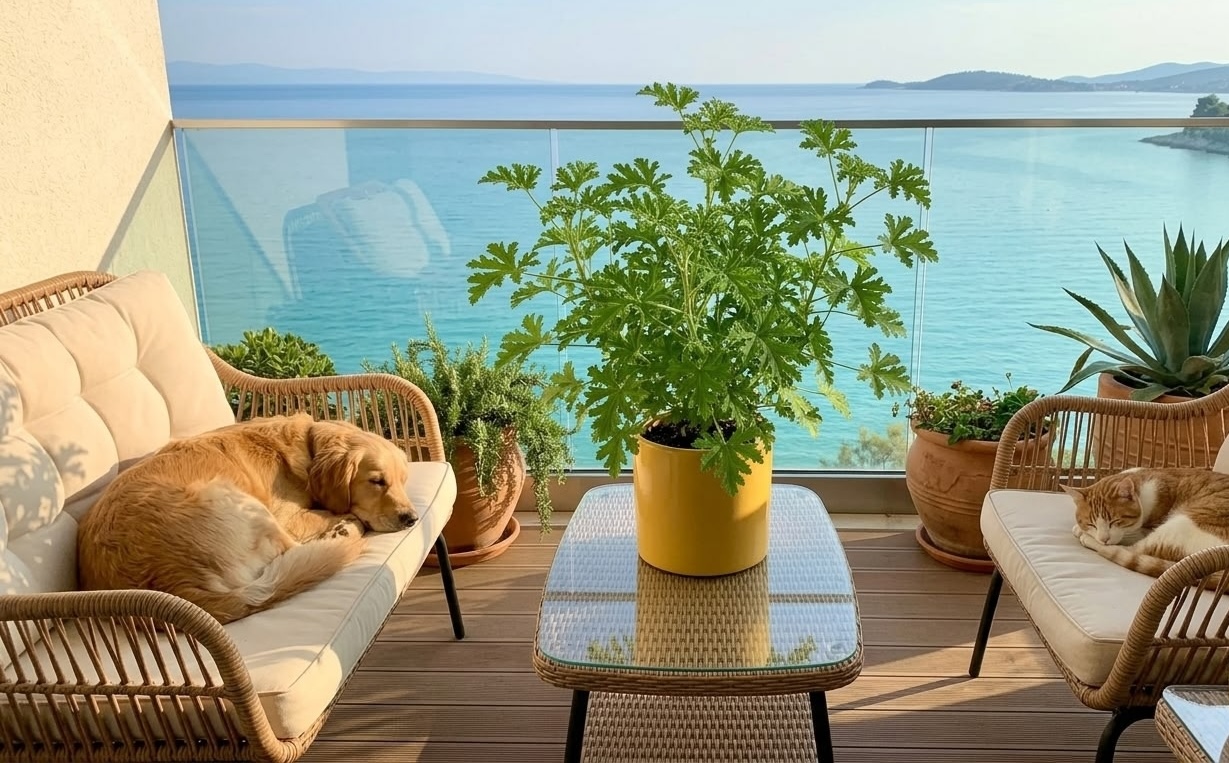
Pelargonium citrosum is toxic to cats, dogs, and horses. The ASPCA lists all Pelargonium species as toxic under the common name “Geranium.” The toxic compounds are geraniol and linalool — essential oil components concentrated in the leaves.
Symptoms of ingestion include vomiting, loss of appetite, depression, and skin irritation (dermatitis). Cats are generally more sensitive than dogs.
If you have pets that chew on plants, keep this one out of reach or avoid it entirely. For a non-toxic fragrant alternative, consider spider plant.
Common Problems
Leggy, Sparse Growth
Almost always a light problem. Move the plant to a sunnier spot and pinch back the stem tips. Citronella plant needs real direct sun — a bright window without direct rays is rarely enough for compact growth.
Yellowing Leaves
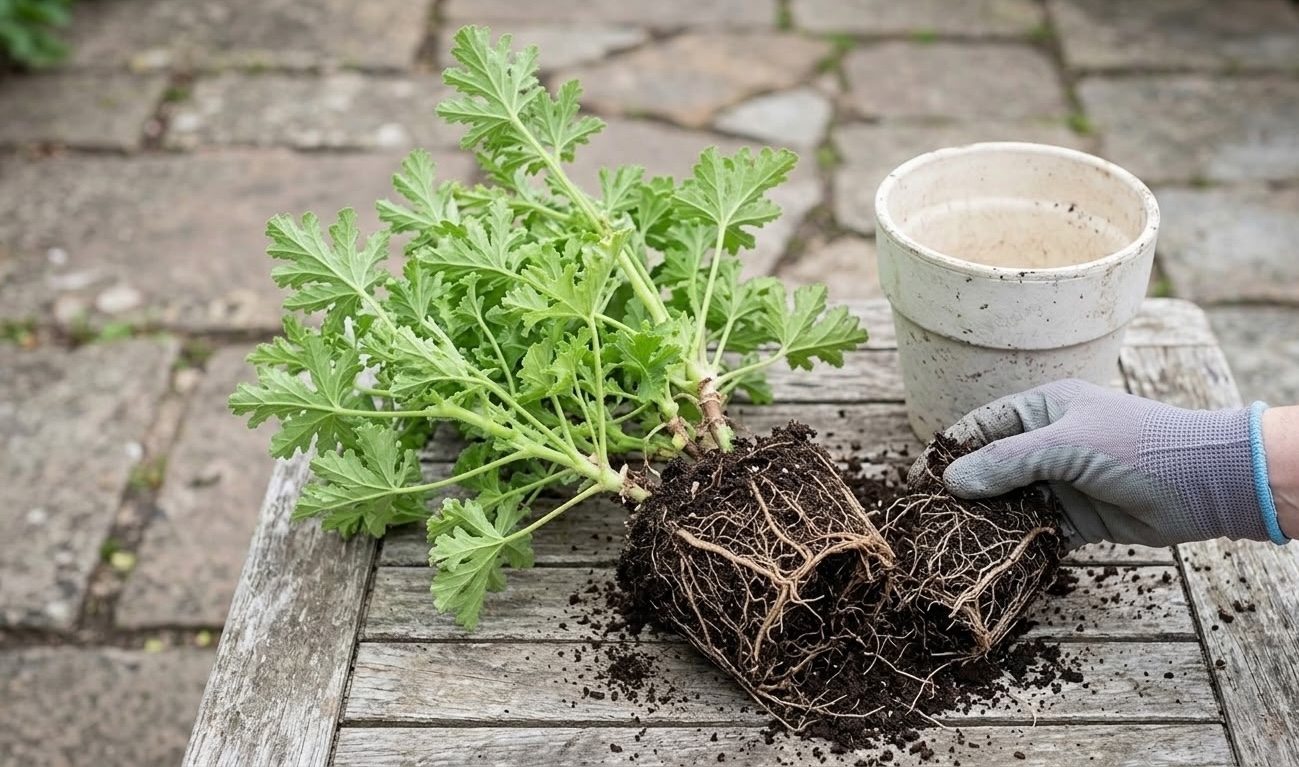
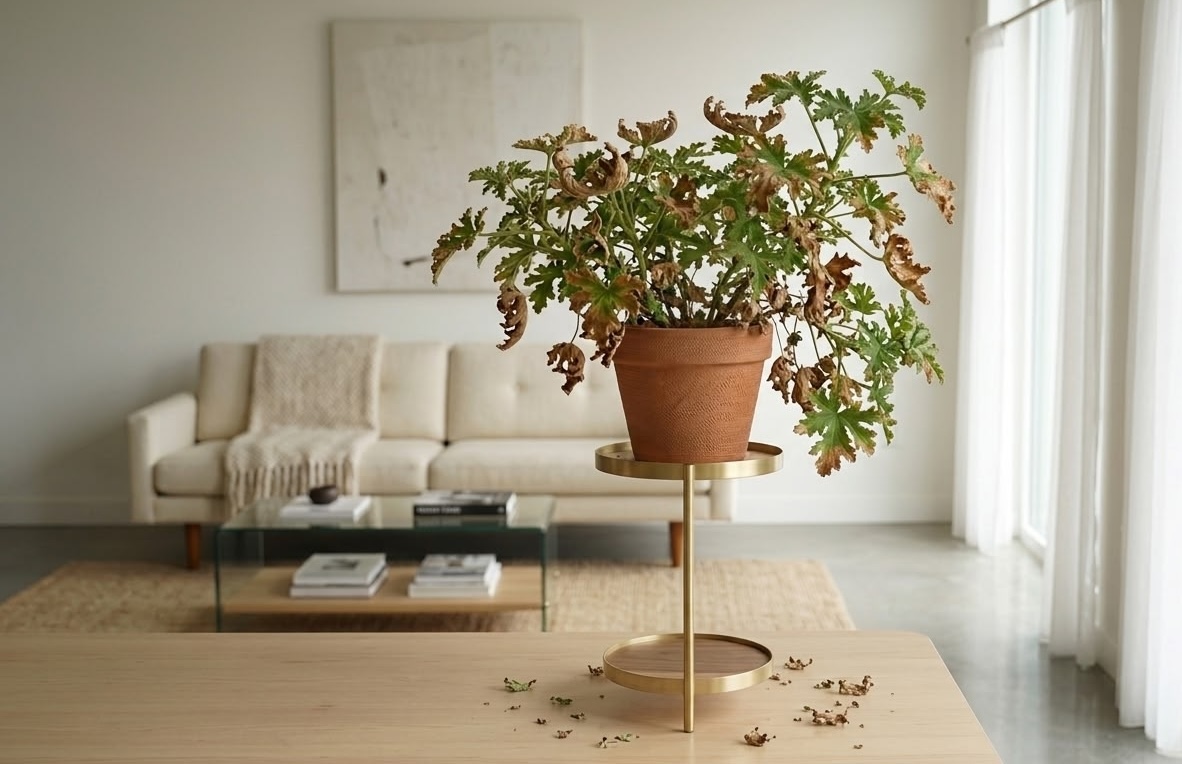
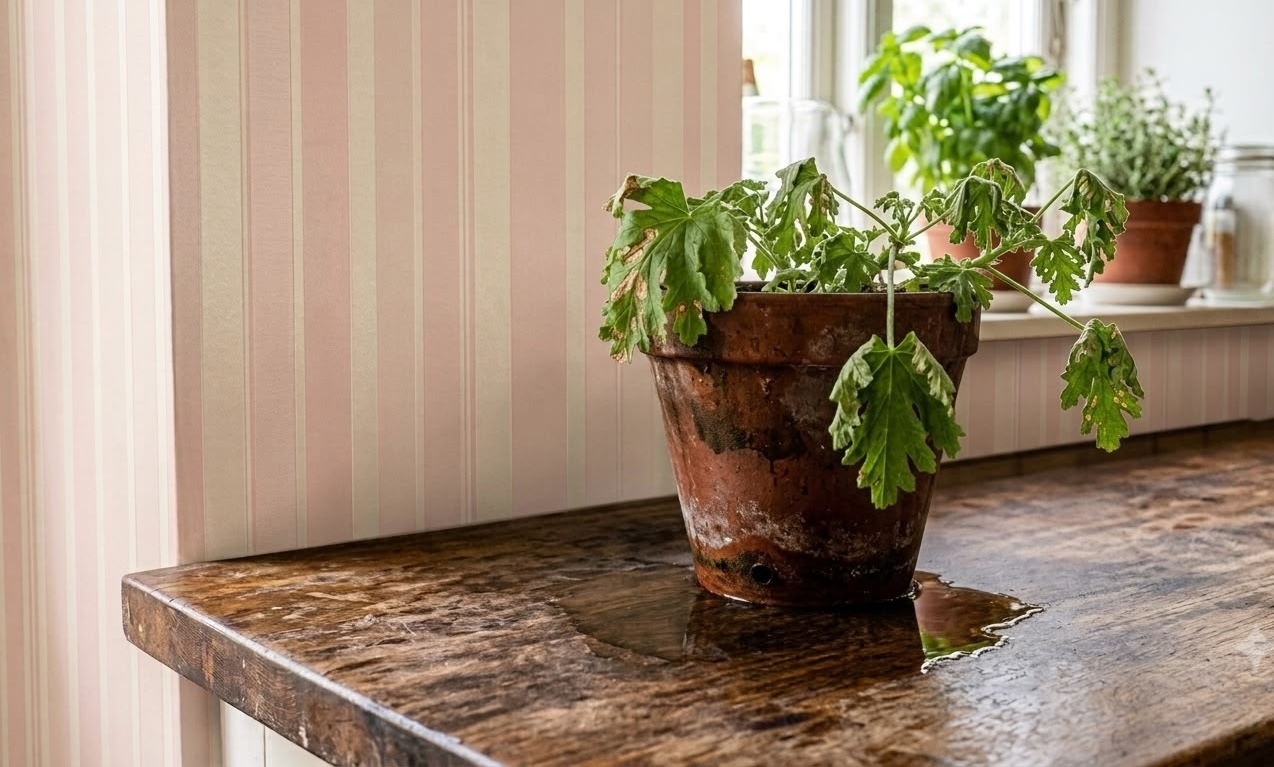
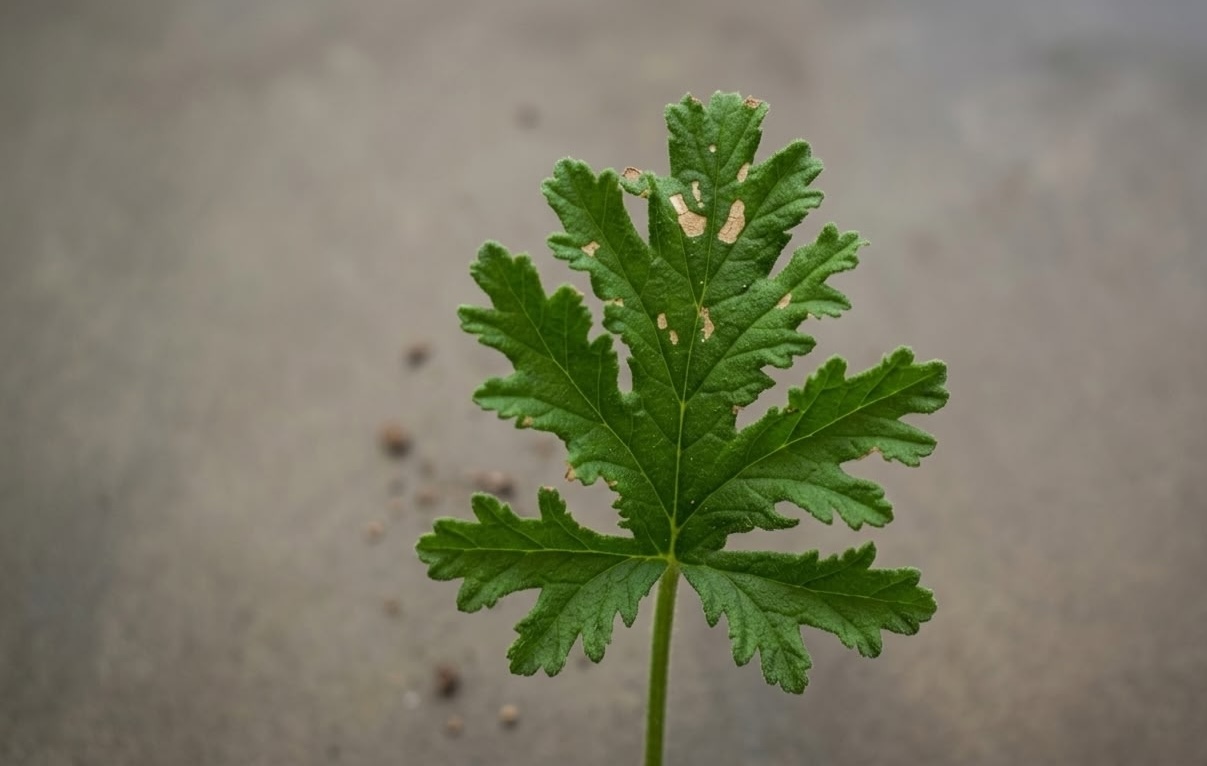
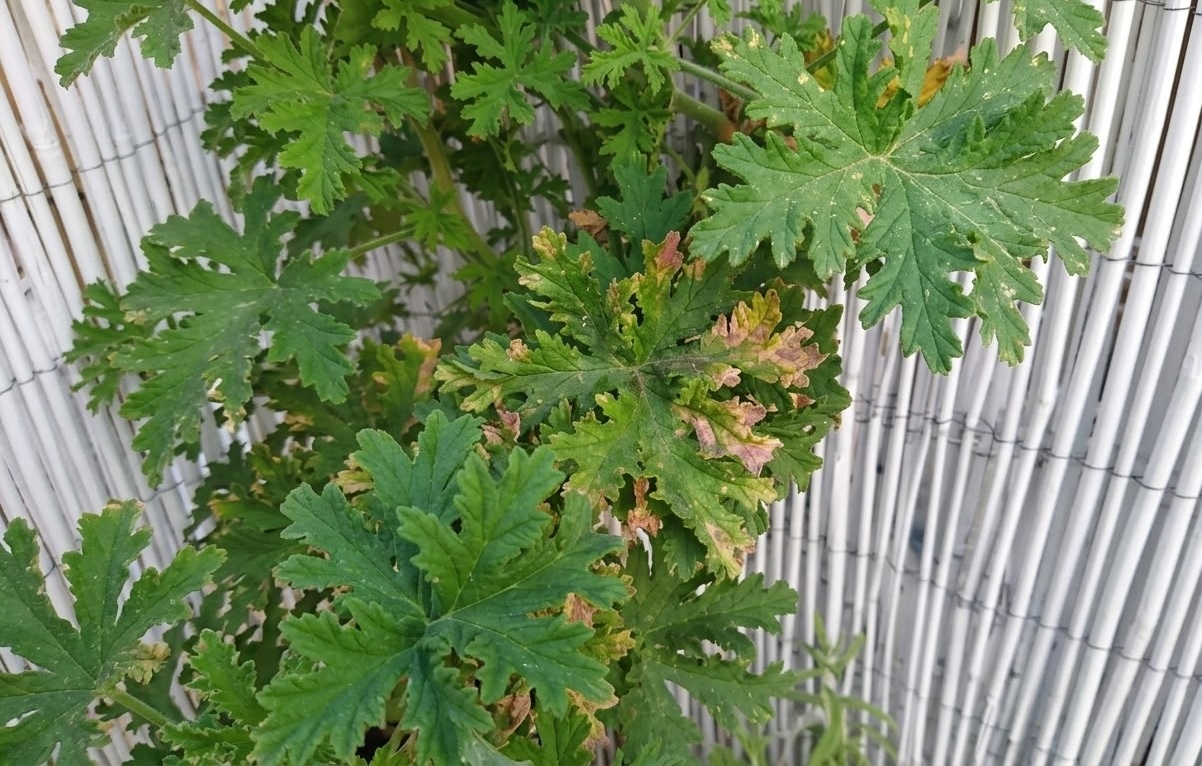
Yellow leaves usually mean overwatering or poor drainage. Check the soil: if it’s soggy, reduce watering and ensure the pot has drainage holes. If yellowing starts from the bottom and moves up, the plant may have root rot — remove from the pot, trim brown mushy roots, and repot in fresh well-draining mix.
Wilting Despite Moist Soil
Wilting in wet soil points to root rot. The roots can no longer transport water even when it’s available. Remove from the pot, inspect the roots, and treat as described above.
Pests
Aphids, whiteflies, and spider mites are the most common pests. Check the undersides of leaves regularly. Treat aphids and whiteflies with insecticidal soap; spider mites with neem oil spray every 7 days until clear.
How to Propagate Citronella Plant
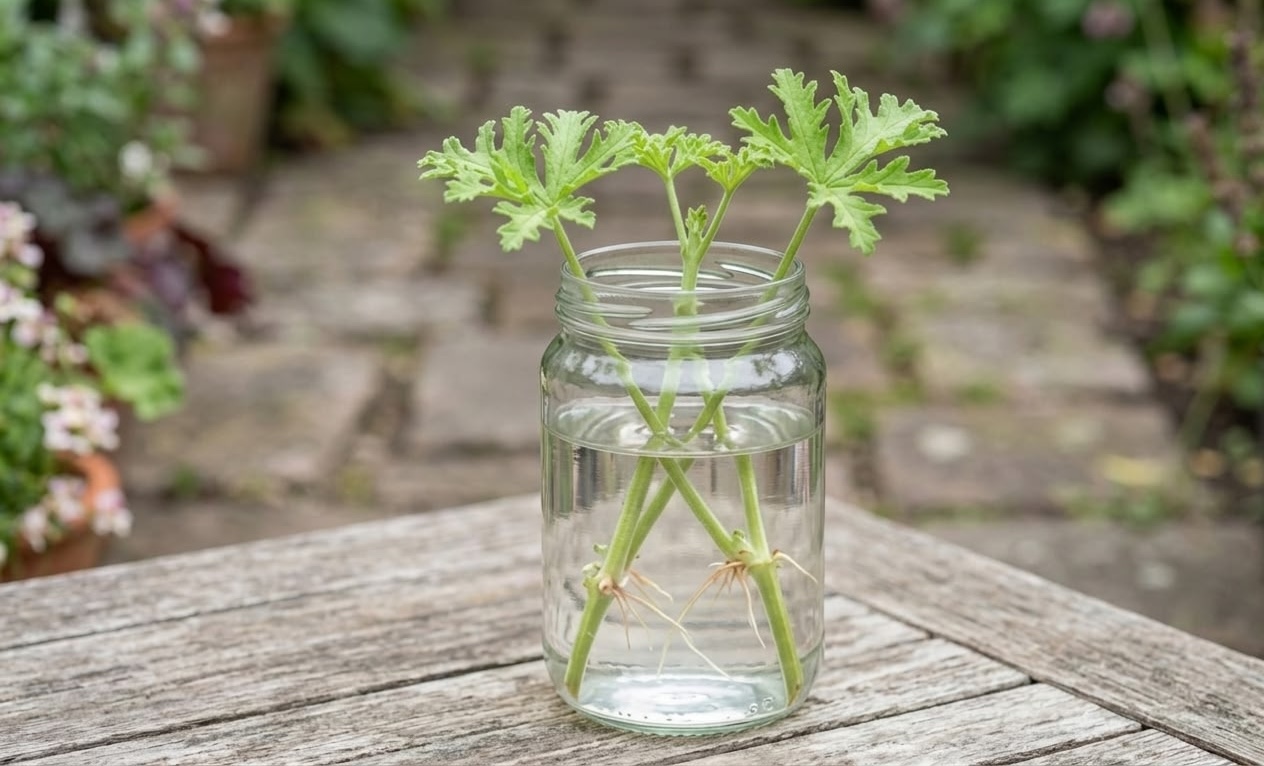
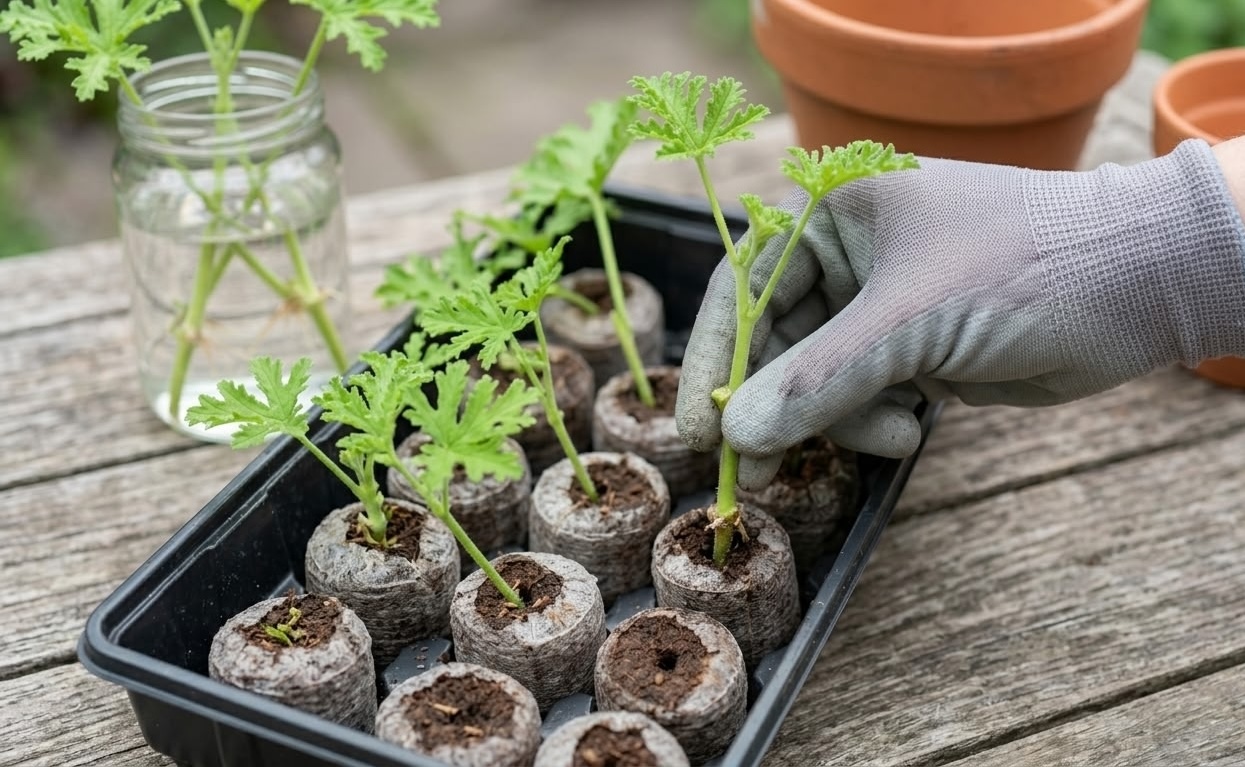
- Take a 4-6 inch cutting from a healthy stem, just below a node.
- Remove the lower leaves, leaving 2-3 leaves at the top.
- Let the cut end dry for a few hours to prevent rot.
- Plant in moist, well-draining potting mix.
- Keep in warm, bright indirect light until roots establish (2-4 weeks).
Spring cuttings root fastest. You can also layer stems — pin a low-growing stem to the soil while still attached to the parent plant; it will root at the node within 3-4 weeks.
Citronella Plant Care Quick Reference
| Factor | Requirement |
|---|---|
| Light | Full sun, 4-6 hours direct per day |
| Water | Weekly in summer; every 2-3 weeks in winter |
| Soil | Well-draining; cactus mix or add perlite |
| Temperature | Hardy zones 10-11; bring indoors below 50F |
| Fertilizer | Half-strength balanced liquid, every 2-4 weeks (spring-summer) |
| Toxicity | TOXIC to cats, dogs, horses (ASPCA) |
| Repels mosquitoes? | No — passively ineffective; no published evidence for any method |
FAQ: Citronella Plant Care
Does citronella plant repel mosquitoes?
No. The plant does not repel mosquitoes simply by growing nearby. A 1996 peer-reviewed study confirmed zero measurable protection against mosquito bites. The essential oils in the leaves (geraniol, citronellol) are different from citronellal — the active compound in commercial citronella products.
Is citronella plant the same as lemongrass?
No. “Citronella plant” refers to Pelargonium citrosum, a scented geranium. Lemongrass (Cymbopogon citratus) is a different plant — a tropical grass. True citronella grass (Cymbopogon nardus) is also a grass, unrelated to Pelargonium.
Can I grow citronella plant indoors year-round?
Yes, with enough light. The plant needs 4-6 hours of direct sun, which is difficult to provide indoors. A south-facing window or grow lights can work. Expect slower growth and weaker fragrance compared to an outdoor plant in full sun.
How do I make my citronella plant bushier?
Pinch back stem tips every few weeks during the growing season. This forces the plant to branch at lower nodes, creating a denser shape. Full sun combined with regular pinching produces the most compact, fragrant growth.
Is citronella plant toxic to cats?
Yes. Citronella plant (Pelargonium species) is toxic to cats, dogs, and horses according to the ASPCA. Symptoms include vomiting, loss of appetite, depression, and skin irritation. Keep it away from pets that chew on plants.
Recommended Products
As an Amazon Associate, Two Leaf Garden earns from qualifying purchases.